
A cat not drinking water can be a worrying sign for any pet parent. While cats are known for their independent nature, a sudden or significant decrease in their cat water intake is a definite red flag that needs attention. The primary question on many owners’ minds is: Why is my cat not drinking water? The reasons are varied, ranging from simple environmental factors to more serious underlying health issues. It’s crucial to recognize that even a seemingly small change in your cat’s drinking habits can have significant consequences, especially concerning their hydration levels.
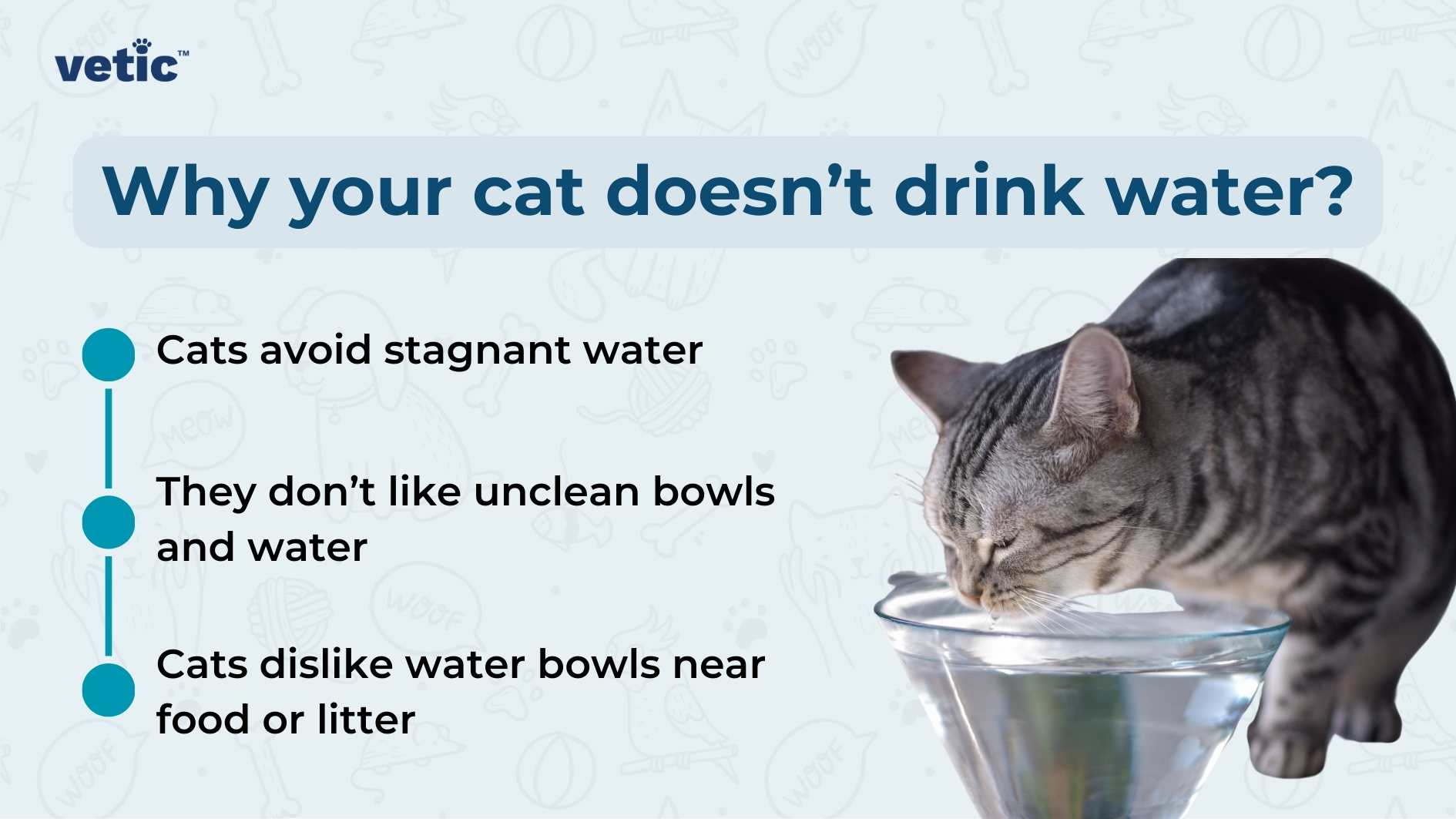
Image Source: vetic.in
The Dangers of Dehydration in Cats
Dehydration is a serious condition that can rapidly affect a cat’s health. A dehydrated cat can experience a range of detrimental effects, including lethargy, loss of appetite, sunken eyes, and dry gums. In severe cases, it can lead to kidney failure, organ damage, and even be life-threatening. This is why monitoring your cat’s drinking habits and recognizing the symptoms of dehydration in cats is paramount.
Common Causes of Low Water Intake in Cats
Several factors can contribute to your feline friend reducing their water consumption. Deciphering these causes is the first step toward addressing the problem.
1. Diet and Food Moisture Content
Cats evolved from desert-dwelling animals, and their natural instinct is to get most of their water from their food. This is why a diet heavily reliant on dry kibble can sometimes lead to lower direct water intake.
- Dry Food Dependency: If your cat primarily eats dry food, they might not feel the same urge to drink water as a cat on a wet food diet. The moisture content in kibble is very low, typically around 10%, whereas wet food can contain up to 80% water.
- High-Moisture Diet: Conversely, if you’ve recently switched your cat to a wet food diet and they were previously eating dry food, they might be getting so much hydration from their meals that their thirst response for drinking water is naturally reduced. This isn’t necessarily a cause for alarm if their overall health is good, but it’s important to monitor.
2. Water Source and Quality
Cats can be quite particular about their drinking water. If the water source isn’t appealing, they simply won’t drink from it.
- Stale or Dirty Water: A bowl that hasn’t been cleaned regularly or water that appears dirty can deter a cat. Cats have a strong sense of smell and taste, and they associate stagnant water with potential contamination.
- Water Bowl Material and Location:
- Material: Some cats dislike plastic bowls as they can retain odors or even cause acne around their chin. Stainless steel, ceramic, or glass bowls are often preferred.
- Location: A water bowl placed too close to their food bowl or litter box can be off-putting. Cats are instinctively clean and prefer their eating and elimination areas to be separate from their water source. Noisy appliances or high-traffic areas can also make a cat feel vulnerable and less likely to drink.
- Water Temperature: While less common, some cats have preferences for water temperature. Too cold or too warm water might be unappealing.
3. Environmental Factors
Changes in their surroundings can also impact a cat’s willingness to drink.
- Stress and Anxiety: Cats are sensitive creatures. New environments, loud noises, the introduction of a new pet, or even a change in the household routine can cause stress, leading them to hide and reduce their activity, including drinking.
- Changes in Routine: Cats thrive on routine. Any disruption, like you being away for extended periods or significant changes in their daily feeding schedule, can affect their behavior, including their cat drinking habits.
- Temperature: In cooler weather, cats may drink less as their bodies retain more heat. Conversely, while they might drink more when it’s hot, insufficient access to cool, fresh water in hot weather can still lead to dehydration.
4. Illness and Medical Conditions
This is arguably the most critical category of reasons for a cat refusing water, as it often points to an underlying health problem.
- Oral Pain or Discomfort:
- Dental Issues: Gingivitis, tooth decay, abscesses, or even mouth sores can make the act of drinking painful.
- Oral Tumors or Injury: Any lesion or growth in the mouth can make drinking uncomfortable.
- Nausea and Vomiting: If a cat is feeling nauseous, their appetite and thirst will decrease significantly. This is a common symptom in many illnesses.
- Kidney Disease: Chronic kidney disease (CKD) is common in older cats. While cats with kidney disease often drink more water, in some advanced or specific stages, or if they are also experiencing nausea or other discomfort related to the disease, they might drink less.
- Diabetes Mellitus: Similar to kidney disease, diabetic cats typically drink and urinate more. However, if their diabetes is poorly controlled or if they develop complications like ketoacidosis, their overall behavior, including drinking, can change.
- Urinary Tract Infections (UTIs) and Bladder Issues: While some cats with UTIs drink more, pain and discomfort associated with urination can sometimes lead to a reluctance to drink, fearing the painful experience.
- Gastrointestinal Issues: Conditions like inflammatory bowel disease (IBD), pancreatitis, or intestinal blockages can cause nausea, pain, and a general lack of interest in drinking.
- Infectious Diseases: Viral or bacterial infections that cause fever, lethargy, or pain can also lead to reduced water intake.
- Neurological Issues: Conditions affecting the brain or nervous system can sometimes impact a cat’s ability to feel thirst or the coordination needed to drink.
- Medications: Certain medications can cause side effects like nausea or a dry mouth, which might reduce a cat’s desire to drink.
5. Age
- Kittens: Kittens are more vulnerable to dehydration and may not always show obvious signs until it’s advanced. Their smaller body size means they can become dehydrated more quickly than adult cats.
- Senior Cats: Older cats are more prone to developing chronic health conditions, as mentioned above, which can affect their water intake. Their thirst sensation might also diminish with age.
Recognizing the Symptoms of Dehydration in Cats
It’s vital to know what to look for. Recognizing the symptoms of dehydration in cats can help you intervene promptly.
Key Signs to Monitor:
- Lethargy and Weakness: A dehydrated cat will often appear less energetic and may be reluctant to move or play.
- Loss of Appetite: They may refuse food, which further exacerbates dehydration.
- Sunken Eyes: The eyes may appear dull and sunken into their sockets.
- Dry Gums and Tongue: Gently lift your cat’s lip. Their gums should be moist and pink. If they feel dry, sticky, or tacky, it’s a strong indicator of dehydration.
- Dry Nose: While some cats naturally have dry noses, a significantly dry and cracked nose can be a sign.
- Loss of Skin Elasticity (Skin Tenting): This is a more advanced sign. Gently pinch the skin over your cat’s shoulder blades and lift it. In a well-hydrated cat, the skin will snap back into place immediately. In a dehydrated cat, the skin will return slowly, or in severe cases, remain tented for a while.
- Panting: While cats don’t typically pant like dogs, excessive panting can be a sign of heatstroke or severe stress, which often involves dehydration.
- Decreased Urination: A cat that is not drinking may also produce less urine, which can be a sign of kidney issues or severe dehydration.
How Much Water Should a Cat Drink?
Determining the correct cat water intake is important for assessing if there’s a problem. Generally, a healthy cat should drink approximately 3.5 to 4.5 ounces of water per 5 pounds of body weight per day.
- Individual Variation: This is a guideline, and individual needs can vary based on activity level, climate, diet, and overall health.
- Wet vs. Dry Food: As mentioned, cats on a wet food diet will consume less water directly from a bowl because a significant portion of their hydration comes from their food. If your cat is on a wet food diet, it’s normal for them to drink less water. The key is to ensure they are eating well and showing no other signs of illness.
What To Do When Your Cat Isn’t Drinking Water
If you notice your cat is drinking less than usual, or if you suspect dehydration, here’s what you can do:
1. Encourage Your Cat to Drink (Encouraging Cat to Drink)
Before jumping to dire conclusions, try some simple methods to entice your feline friend to drink more.
- Multiple Water Stations: Place several water bowls in different locations around your home, especially in areas where your cat spends a lot of time.
- Fresh, Clean Water: Change the water daily, and wash the bowls thoroughly at least once a week to prevent bacterial buildup.
- Experiment with Bowl Types: Try stainless steel, ceramic, or glass bowls.
- Consider a Cat Water Fountain: Many cats are attracted to the sound and movement of running water, which mimics natural water sources. Fountains can encourage more drinking.
- Add Flavor (Sparingly): You can add a tiny amount of low-sodium chicken or tuna broth (ensure it contains no onion or garlic) to their water. Alternatively, add an ice cube made from diluted tuna water or chicken broth.
- Offer Wet Food: If your cat eats dry food, incorporating wet food into their diet can significantly increase their overall fluid intake.
- Hydrate Their Food: If they eat dry food, you can moisten it with a little warm water or a pet-safe broth.
2. Monitor for Other Signs of Illness
While you’re trying to encourage drinking, also pay close attention to other behavioral changes. These are crucial signs of illness in cats.
- Changes in Appetite: Are they eating less or refusing food altogether?
- Vomiting or Diarrhea: These can quickly lead to dehydration.
- Changes in Urination: Are they urinating less frequently? Is the urine unusually dark or concentrated?
- Behavioral Changes: Are they more lethargic, hiding, or displaying aggression?
- Changes in Grooming: Is their coat looking dull or unkempt? This can sometimes indicate they aren’t feeling well.
3. When to Seek Veterinary Advice
If your cat has shown a significant decrease in water intake for more than 24 hours, or if you observe any of the following, it’s time to contact your veterinarian immediately:
- Any Signs of Dehydration: Particularly dry gums, lethargy, or loss of skin elasticity.
- Vomiting or Diarrhea: Especially if persistent.
- Refusal to Eat: This often accompanies a lack of thirst.
- Lethargy or Weakness: If your cat is unusually tired or weak.
- Suspected Underlying Illness: If you know your cat has a chronic condition like kidney disease or diabetes and their drinking habits change.
- Any Concerning Behavior: Trust your instincts. If something feels wrong, it’s always best to get professional advice.
Veterinary Diagnosis and Treatment
Your veterinarian will perform a thorough physical examination to assess your cat’s hydration status and overall health. They may recommend diagnostic tests to pinpoint the cause of the reduced water intake.
- Physical Examination: Checking hydration levels, mucous membranes, skin turgor, and overall condition.
- Blood Tests: To evaluate kidney function, liver function, blood sugar levels, electrolyte balance, and check for signs of infection or inflammation.
- Urinalysis: To assess kidney function, check for urinary tract infections, and look for signs of diabetes or other metabolic diseases.
- Diagnostic Imaging: X-rays or ultrasound may be used to examine internal organs for abnormalities.
Treatment will depend entirely on the underlying cause:
- Fluid Therapy: If your cat is dehydrated, they may receive subcutaneous (under the skin) or intravenous (into a vein) fluids to rehydrate them quickly.
- Medications: Antibiotics for infections, anti-nausea medication, pain relief, or specific treatments for conditions like kidney disease or diabetes.
- Dietary Changes: Recommendations for specific diets or increasing the moisture content of food.
- Dental Treatment: If oral pain is the cause, dental cleaning or extractions may be necessary.
Frequently Asked Questions (FAQ)
Q1: How quickly can a cat become dehydrated?
A cat can become dehydrated relatively quickly, especially if they are not drinking and are experiencing vomiting or diarrhea. Even a day or two of significantly reduced water intake can lead to dehydration, particularly in kittens and senior cats.
Q2: Can stress cause a cat to stop drinking water?
Yes, stress and anxiety can significantly impact a cat’s behavior, including their drinking habits. Changes in their environment, routine, or social dynamics can lead to stress, causing them to hide and reduce intake.
Q3: My cat eats a lot of wet food. Do they still need to drink from a bowl?
While cats on a wet food diet get a substantial amount of hydration from their food, they should still have access to fresh water. Some cats may drink very little if their diet is moisture-rich, but it’s always good practice to provide water and monitor their overall intake and health.
Q4: Is it normal for my cat to drink less in winter?
It can be normal for cats to drink slightly less in cooler weather as their bodies may retain heat more effectively. However, a significant or sudden decrease should still be monitored, as it could be related to other factors or an emerging health issue.
Q5: What are the immediate dangers of a dehydrated cat?
The immediate dangers of a dehydrated cat include lethargy, electrolyte imbalances, strain on the kidneys and other organs, and a rapid decline in overall health. In severe cases, it can be life-threatening and lead to organ failure.
By staying observant of your cat’s behavior and understanding the potential causes and dangers associated with a cat not drinking water, you can ensure they receive the prompt care they need. Always consult your veterinarian if you have any concerns about your cat’s health and hydration.