
What makes a cat not affectionate? A cat might seem not affectionate due to its individual personality, past experiences, breed predispositions, current stress levels, or underlying cat health issues. Not all cats express affection in the same way.
It’s a question many cat owners ponder: “Why is my cat not affectionate?” You see other people’s cats purring, rubbing, and constantly seeking cuddles, but your feline companion seems to prefer its own company. This can be disheartening, especially if you’re yearning for a cuddly companion. However, the reality is that cats are incredibly diverse, and their expressions of affection, or lack thereof, are influenced by a complex interplay of factors.
Fathoming your cat’s seemingly aloof behavior involves looking beyond human expectations of affection and delving into the fascinating world of cat behavior and feline communication. Instead of labeling your cat as “unaffectionate,” let’s explore the myriad reasons behind their reserve and discover how to build a stronger bond, even with the most independent of kitties.
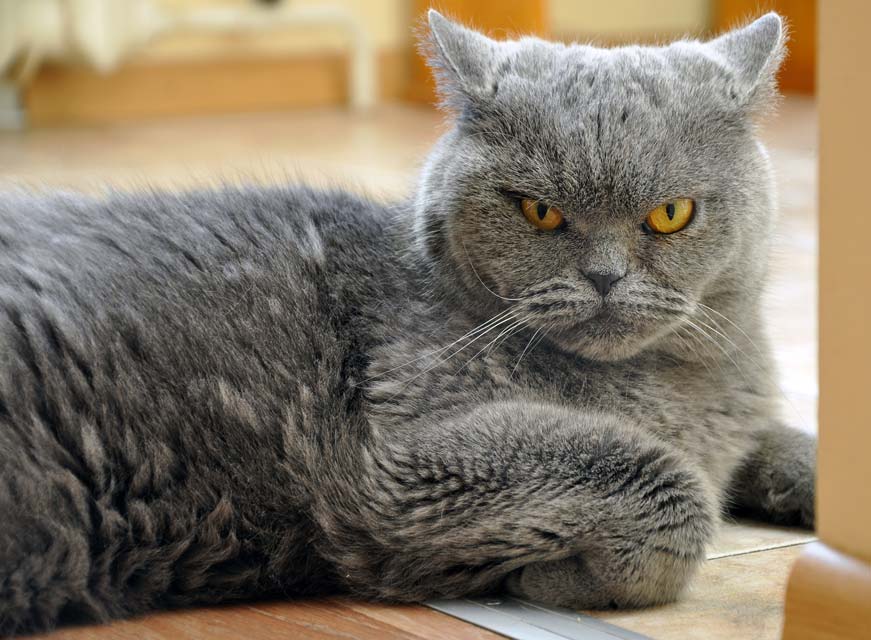
Image Source: www.cathealth.com
The Spectrum of Cat Personality
Just like humans, cats are individuals with unique personalities. Some cats are naturally outgoing and crave constant interaction, while others are more introverted and prefer quiet observation. This inherent difference is a primary driver of how they express affection.
Born This Way: Innate Traits
From birth, kittens exhibit varying temperaments. A kitten raised in a calm, stable environment with early positive socialization is likely to be more confident and open to affection. Conversely, a kitten that experienced stress or neglect in its early weeks may develop a more cautious or shy cat demeanor.
- Bold and Adventurous: These cats are often the first to greet visitors, explore new environments, and engage in play. They may readily accept petting and enjoy being held.
- Cautious and Observant: These felines prefer to watch from a distance, assessing situations before participating. They might approach you on their own terms and show affection through slow blinks or quiet proximity.
- Independent and Self-Sufficient: These cats are content with their own company and may not require constant attention. Their affection might be shown through shared spaces or brief, punctuated interactions.
Breed Matters: Genetic Tendencies
While personality is individual, certain cat breeds are known for specific traits. For example:
- Siamese and Oriental breeds: Often described as “dog-like,” these cats are typically very vocal, social, and demanding of attention. They tend to be highly affectionate.
- Maine Coons: Known for their gentle giant nature, Maine Coons are generally friendly, playful, and enjoy being part of family activities.
- Persians and Himalayans: These breeds can be more placid and less demanding of attention, often content to relax nearby. Their affection might be expressed through quiet companionship.
- Sphynx: Despite their hairless appearance, Sphynx cats are known for their intense need for human contact and are incredibly cuddly.
It’s crucial to remember that these are generalizations, and individual variation within breeds is significant. A laid-back Persian can be just as affectionate as an outgoing Siamese, just in different ways.
Early Life Experiences and Socialization
A cat’s formative months are critical in shaping its social behavior and its capacity for affection. Proper socialization during the critical socialization window (roughly 2 to 7 weeks) is paramount.
The Kittenhood Connection
Kittens that have had positive interactions with humans during this period are more likely to grow into confident, affectionate adult cats. This includes:
- Gentle handling: Being picked up, petted, and played with regularly by kind humans.
- Exposure to different stimuli: Hearing various sounds, seeing different objects, and experiencing different environments in a positive way.
- Positive reinforcement: Associating human interaction with pleasant experiences like treats or play.
The Impact of Neglect or Trauma
Cats who experienced a lack of positive human interaction, neglect, or even abuse during their kittenhood may develop a shy cat or fearful disposition. This can manifest as avoidance of human touch, a tendency to hide, or a general distrust of people. Rebuilding trust with such cats requires patience, consistency, and a deep respect for their boundaries.
Interpreting Feline Communication: Beyond the Cuddle
Cats communicate their feelings and desires through a complex system of body language, vocalizations, and scent marking. What might appear as a lack of affection could simply be a different way of expressing it.
Subtle Signs of Affection
Many cat owners miss subtle cues that their cat is, in fact, showing affection:
- Slow Blinks: Often called “kitty kisses,” a slow blink from a cat is a sign of trust and contentment. Try blinking slowly back at your cat to communicate your own affection.
- Head Bunting/Rubbing: When a cat rubs its head or cheek against you, it’s marking you with its scent glands, signifying you’re part of its social group and a trusted individual.
- Kneading: The rhythmic pushing of paws, often on a soft surface or your lap, is a behavior carried over from kittenhood (nursing). It signifies comfort, contentment, and affection.
- Purring: While purring can sometimes indicate pain or distress, it’s most commonly a sign of happiness and relaxation.
- Tail Position: An upright tail with a slight curl at the tip is a friendly greeting.
- Sitting or Sleeping Near You: Simply choosing to be in your presence, even without direct physical contact, is a significant sign of trust and affection.
- Bringing “Gifts”: While sometimes gruesome, a cat bringing you a toy or prey is a sign of its natural hunting instincts and an attempt to share its bounty with its chosen family.
Vocalizations and Their Meaning
Beyond purring, cats use a variety of sounds to communicate:
- Meows: Adult cats primarily meow to communicate with humans, not with other cats. The tone and length of a meow can convey different needs or greetings.
- Chirps and Trills: Often used as a friendly greeting or to get your attention.
- Hissing, Growling, and Spitting: These are clear indicators of fear, aggression, or displeasure.
When to Consider Underlying Issues
While personality and early experiences play a significant role, a sudden change in a cat’s affectionate behavior can sometimes signal an underlying problem.
Cat Health Issues: The Unseen Influence
Pain, discomfort, or illness can drastically alter a cat’s behavior. A cat that was once cuddly might become withdrawn or irritable if it’s experiencing cat health issues.
- Arthritis: Older cats may develop arthritis, making movement painful. Being picked up or petted might cause discomfort, leading them to avoid interaction.
- Dental Pain: Dental problems can make eating and even being touched around the head uncomfortable.
- Digestive Upset: Nausea or abdominal pain can make a cat feel generally unwell and less inclined to seek attention.
- Neurological Issues: Changes in behavior can sometimes be linked to neurological conditions.
If you notice a sudden or significant change in your cat’s behavior, including a decrease in affection, a veterinary check-up is crucial to rule out any medical causes.
Cat Stress Triggers: The Silent Disruptors
Cats are sensitive creatures, and their environment can significantly impact their emotional state. Cat stress triggers can lead to changes in behavior, including a reduction in affection.
- Changes in Routine: Cats thrive on predictability. A change in feeding times, sleeping arrangements, or the introduction of a new pet or family member can be stressful.
- Environmental Changes: Moving to a new home, rearranging furniture, or even a new scent in the house can be unsettling.
- Conflict with Other Pets: Inter-cat aggression or conflict with other household pets can create a constant state of anxiety.
- Lack of Resources: Limited access to food, water, litter boxes, or safe resting spots can induce stress.
- Loud Noises: Construction, fireworks, or even loud arguments can frighten a cat.
A stressed cat may become withdrawn, hide more often, become more vocal, or even exhibit destructive behaviors. Addressing the source of stress is key to restoring their well-being and, potentially, their affectionate behavior.
Building a Bond with an Aloof Cat
If your cat is naturally more reserved, or if their affectionate behavior has diminished, there are many ways to foster a stronger connection. The goal isn’t to force affection but to build trust and create positive associations.
Respecting Boundaries and Offering Choice
The most effective way to build a bond with an aloof cat is to respect their personal space and allow them to initiate interaction.
- Let Them Come to You: Resist the urge to chase or corner your cat. Sit quietly in the same room and let them approach when they feel safe and curious.
- Offer a “Safe” Hand: Extend a finger or your hand slowly towards them, palm down, and let them sniff it. If they rub against it, you can try a gentle stroke.
- Short, Positive Interactions: Focus on brief, positive encounters. A few gentle pets or a short play session followed by a treat can be more effective than long, unsolicited cuddle sessions.
- Avoid Overwhelming Them: If your cat seems overwhelmed or tries to move away, let them go. Pushing them will likely have the opposite effect.
The Power of Play and Positive Reinforcement
Play is a vital part of a cat’s life and a powerful tool for cat bonding.
- Interactive Play: Use wand toys, laser pointers (with a tangible reward at the end), or feather toys to engage your cat in playful hunting. This mimics their natural prey drive and strengthens your connection.
- Treats and Rewards: Use high-value treats to reward any positive interaction, whether it’s approaching you, allowing a brief pet, or engaging in play. This creates positive associations with your presence.
- Puzzle Feeders: These can provide mental stimulation and make mealtime more engaging, reducing boredom and potential stress.
Creating a Cat-Friendly Environment
A safe, stimulating, and predictable environment is crucial for a cat’s well-being and their willingness to be affectionate.
- Vertical Space: Cats feel more secure when they have high places to retreat to. Provide cat trees, shelves, or window perches.
- Hiding Spots: Ensure your cat has quiet, comfortable places to hide and rest, such as covered beds or tunnels.
- Litter Box Management: Have enough clean litter boxes in quiet, accessible locations.
- Enrichment: Rotate toys, provide scratching posts, and offer opportunities for mental stimulation.
Can Cat Training Help?
While you can’t “train” a cat to be affectionate in the way you might train a dog to sit, cat training principles can be applied to encourage desired behaviors and build a better relationship.
- Clicker Training: This positive reinforcement method can be used to teach your cat to come when called, target an object, or even tolerate handling by associating the clicker sound with a reward. This can make interactions more predictable and rewarding for both of you.
- Desensitization and Counter-Conditioning: If your cat is fearful of certain things, these techniques can gradually help them become more comfortable by pairing the feared stimulus with positive experiences.
Frequently Asked Questions (FAQ)
Q1: Is it normal for cats to be aloof?
A1: Yes, it’s perfectly normal for some cats to have a more independent or reserved personality. Not all cats are lap cats.
Q2: Will my cat ever become more affectionate as it gets older?
A2: It depends on the cat. Some cats mellow with age and become more cuddly, while others may maintain their independent nature. Early life experiences also play a big role.
Q3: My cat used to be affectionate but isn’t anymore. What could be wrong?
A3: This often indicates an underlying issue. It could be cat health issues, increased cat stress triggers, or a change in their environment. A veterinary visit is highly recommended.
Q4: How can I tell if my cat is stressed?
A4: Signs of a stressed cat can include hiding, changes in appetite, excessive grooming, vocalization, aggression, or avoidance of social interaction.
Q5: Is it my fault if my cat isn’t affectionate?
A5: It’s rarely one person’s fault. While early socialization is important, many factors contribute to a cat’s personality and behavior. Focus on building a positive relationship now, rather than dwelling on the past.
Q6: Can I force my cat to be affectionate?
A6: No, forcing affection will likely backfire and damage your bond. Respect your cat’s boundaries and allow them to express affection on their own terms.
Q7: What are the best ways to bond with a shy cat?
A7: Patience, consistency, and positive reinforcement are key. Let the shy cat initiate contact, use cat training methods like clicker training, provide a safe environment, and engage in gentle, interactive play.
In conclusion, the question of why your cat isn’t affectionate is multifaceted. By understanding the nuances of cat behavior, feline communication, and considering individual cat personality, early life experiences, potential cat health issues, and environmental stressors, you can better appreciate your feline friend. Even the most aloof cat can learn to trust and show affection in its own unique way, forging a deeper cat bonding experience through patience, respect, and positive interactions.