
Cats pee on shoes for a variety of reasons, often stemming from territorial marking, litter box issues, stress, or underlying health concerns. Identifying the specific cause is crucial for addressing the behavior effectively.
Feline companions are creatures of habit and express themselves through their actions. When your beloved cat suddenly starts peeing outside their designated litter box, especially on your shoes, it can be a perplexing and frustrating experience. This behavior, known as inappropriate urination, is a common problem faced by cat owners. But why shoes? What makes these scent-soaked items so appealing to our feline friends? This comprehensive guide will delve into the multifaceted reasons behind this peculiar habit, offering solutions and strategies to help you reclaim your footwear and restore harmony in your home.
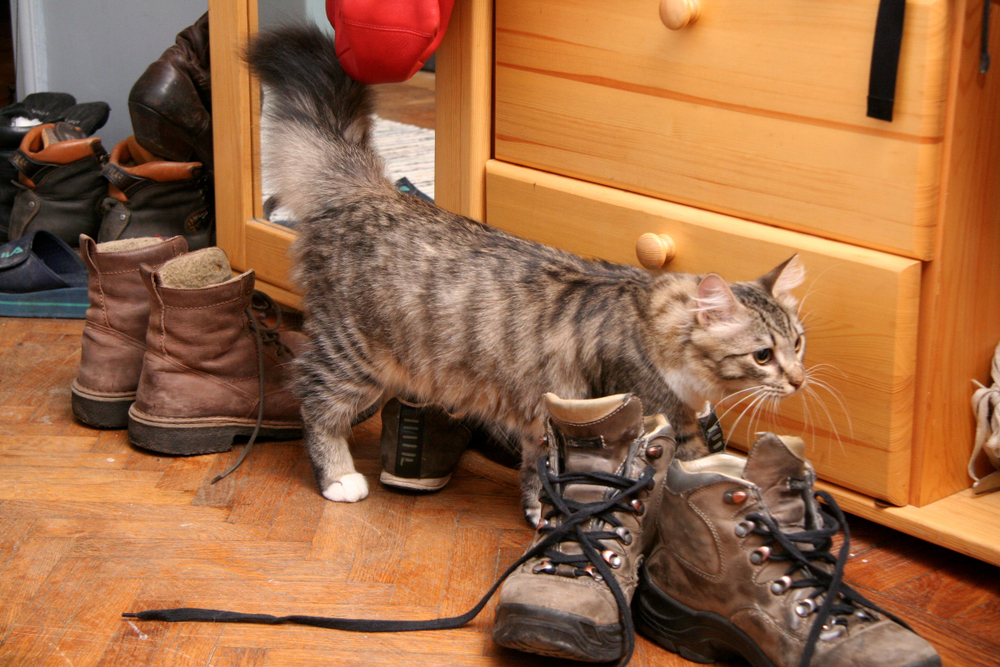
Image Source: www.catster.com
Deciphering Feline Footwear Urination
Your cat’s decision to urinate on your shoes is rarely arbitrary. It’s a form of communication, a signal that something is amiss in their world or a deep-seated instinct at play. Let’s explore the primary drivers behind this behavior.
Cat Marking Territory: An Ancient Instinct
One of the most prevalent reasons for cat marking territory is the primal instinct to claim their space. Cats are naturally territorial animals, and scent plays a vital role in their communication and social structure. Your shoes, carrying your unique scent and the distinct smells of the outside world, become prime targets for this territorial assertion.
The Olfactory Landscape of a Cat
Cats possess an incredibly sophisticated sense of smell, far superior to ours. Their world is painted with a rich tapestry of scents, each carrying information about who, what, and where.
- Personal Scent: Your scent is a powerful marker of your presence and ownership in your cat’s eyes. They are essentially saying, “This is my human, and this is my territory, which includes their belongings.”
- External Smells: Shoes, by their very nature, collect a multitude of scents from your outdoor excursions. These might include other animals, different environments, or even the scents of other humans. Your cat might be trying to neutralize these “intruding” smells by overlaying them with their own urine scent.
Cat Territorial Marking and Your Shoes
When a cat deposits urine on your shoes, it’s a deliberate act of cat territorial marking. They are leaving their scent signature to reassert their ownership of you and the immediate environment. This is particularly common in multi-cat households where competition for resources and personal space can be high. Even if you don’t have other cats, your cat might be marking against the “scent of the outside” that your shoes bring in.
Litter Box Aversion: When the Throne Becomes a Terror
Litter box aversion is another significant contributor to inappropriate urination. If your cat suddenly shies away from their litter box, they will seek alternative, often inconvenient, locations to relieve themselves. Your shoes might just happen to be the most accessible or appealing option at that moment.
Common Triggers for Litter Box Issues
Several factors can lead a cat to develop an aversion to their litter box:
- Location, Location, Location: The litter box’s placement is critical. Cats prefer quiet, low-traffic areas where they feel safe and undisturbed. A litter box near a noisy appliance, a bustling hallway, or a door that slams shut can be a deterrent.
- Cleanliness is Key: Cats are fastidious creatures. A dirty litter box is a major turn-off. If the box isn’t scooped daily and the litter changed regularly, your cat might seek a cleaner alternative.
- The Wrong Box: The size, type, and depth of the litter box can also play a role. Some cats dislike covered boxes, while others prefer a specific litter material. If the box is too small, or the litter is too dusty or has an unpleasant texture, it can lead to avoidance.
- Negative Associations: If something frightening or unpleasant happened to your cat while they were in or near the litter box (e.g., a loud noise, a scolding, or an encounter with another pet), they might associate the box with that negative experience.
Stress Related Cat Behavior: The Anxious Urinator
Cats are sensitive to changes in their environment, and stress related cat behavior can manifest in various ways, including inappropriate urination. Your shoes, often left near entrances or exits, might become a focal point for a stressed cat to express their anxiety.
Common Stressors for Cats
- Changes in Routine: Cats thrive on predictability. A shift in your work schedule, a new pet in the home, the arrival of a new baby, or even moving furniture can disrupt their sense of security.
- New People or Pets: The introduction of new individuals or animals into the household can be a major source of stress.
- Conflict with Other Pets: If your cat is in conflict with another pet in the home, they might feel unsafe using the litter box and choose alternative locations, including your shoes.
- Environmental Changes: Loud noises, construction nearby, or even a change in their diet can sometimes trigger anxiety.
Cat Anxiety Peeing: A Plea for Reassurance
When a cat is experiencing cat anxiety peeing, they are essentially seeking comfort and security. Your shoes, imbued with your familiar and comforting scent, can serve as a surrogate for your presence, especially if you are away frequently or have a demanding schedule. They might be trying to surround themselves with your scent to feel safer.
Cat Health Issues Peeing Outside Box: Ruling Out Medical Problems
Before delving deeper into behavioral causes, it’s crucial to rule out cat health issues peeing outside box. Many medical conditions can cause a cat to urinate inappropriately. Prompt veterinary attention is paramount.
Medical Conditions to Consider
- Urinary Tract Infections (UTIs): Pain or discomfort during urination can make cats associate the litter box with pain, leading them to avoid it.
- Bladder Stones or Crystals: Similar to UTIs, these can cause pain and inflammation in the urinary tract.
- Kidney Disease: Advanced kidney disease can lead to increased urination, and a cat might not be able to reach the litter box in time.
- Diabetes Mellitus: This condition often causes increased thirst and urination.
- Arthritis or Mobility Issues: Older cats suffering from arthritis may find it painful to step into and maneuver within a traditional litter box, opting for easier-to-access spots like your shoes.
- Cognitive Dysfunction Syndrome (CDS): In older cats, CDS can lead to confusion and loss of house-training, similar to dementia in humans.
It is imperative to consult your veterinarian to rule out any underlying medical conditions before assuming the behavior is purely behavioral.
Cat Spraying on Shoes: Beyond Simple Urination
Cat spraying on shoes is often a more specific form of marking. While urination is typically squatting and emptying the bladder, spraying involves standing, turning their back to a vertical surface (though horizontally on shoes can occur), and releasing a smaller amount of urine with a trembling tail.
The Nuances of Spraying
- Territorial Declaration: Spraying is a strong territorial signal. It’s a way of saying, “This is mine, and I am here.”
- Communication with Other Cats: It can be a way to communicate with other cats, either inside or outside the home, indicating their presence and readiness to mate.
- Emotional Distress: Spraying can also be a response to stress, anxiety, or a perceived threat to their territory.
When your cat sprays on your shoes, they are marking them with a potent scent that declares ownership and potentially communicates a message to other feline inhabitants or intruders.
Inappropriate Urination Cat: A Broader Perspective
Inappropriate urination cat is a broad term that encompasses any urine deposited outside the litter box. While shoes are a common target, cats may urinate on carpets, furniture, bedding, or any other surface that holds scent or feels appealing. The underlying causes remain similar: territorial marking, litter box issues, stress, or health problems.
Why Other Surfaces Might Be Chosen
- Texture Preference: Some cats develop preferences for certain textures. If your shoes are made of a soft material like leather or suede, they might find them more appealing than the litter material.
- Scent Retention: Materials like fabric and leather readily absorb and retain scents, making them attractive targets for marking.
- Vertical vs. Horizontal Marking: While spraying is typically vertical, simple urination can occur horizontally. Shoes, often placed on the floor, can become targets for both.
Why Cats Pee on Things: A Synthesis of Reasons
To summarize, why cats pee on things, including your shoes, boils down to a combination of their innate instincts and their current circumstances:
- Instinctive Marking: To claim territory, communicate with other cats, or reassert their presence.
- Environmental Dissatisfaction: Issues with the litter box, such as cleanliness, location, or type.
- Emotional Distress: Anxiety, fear, or stress stemming from changes in their environment or routine.
- Medical Concerns: Underlying health problems affecting their urinary system or overall well-being.
Strategies for Addressing the Shoe-Peeing Predicament
Once you’ve identified the potential causes, you can implement targeted strategies to curb this undesirable behavior.
1. Veterinary Check-up: The First and Foremost Step
As emphasized earlier, a thorough veterinary examination is non-negotiable. Your vet will perform a physical exam, possibly urinalysis, and blood work to rule out any medical conditions.
- Diagnostic Tools:
- Urinalysis: Detects infections, crystals, blood, and other indicators of urinary tract disease.
- Blood Tests: Can reveal kidney function, diabetes, and other systemic health issues.
- Ultrasound: May be used to visualize the bladder and kidneys for stones or other abnormalities.
2. Litter Box Optimization: Creating a Pristine Palace
If medical issues are ruled out, the focus shifts to the litter box and its environment.
Key Elements of a Happy Litter Box
- Number of Boxes: The general rule is one litter box per cat, plus one extra. So, for two cats, you should have three litter boxes.
- Box Type:
- Size: Ensure the box is large enough for your cat to comfortably turn around and dig.
- Covered vs. Uncovered: Some cats prefer privacy, while others feel trapped in covered boxes. Experiment to see your cat’s preference.
- Entry Height: For kittens or senior cats with mobility issues, a box with a lower entry point is essential.
- Litter Choice:
- Material: Most cats prefer unscented, clumping clay litter. Avoid scented litters, as they can be overwhelming for a cat’s sensitive nose.
- Depth: Aim for 2-3 inches of litter. Too little or too much can be off-putting.
- Location, Location, Location:
- Quiet and Accessible: Place litter boxes in calm, low-traffic areas away from their food and water bowls.
- Multiple Locations: If you have multiple levels in your home, place a box on each level.
- Cleanliness Schedule:
- Daily Scooping: Remove waste at least once a day, preferably twice.
- Weekly Full Cleaning: Empty, wash with mild soap and water, and refill the box weekly. Avoid harsh chemicals like ammonia, which can smell like urine to cats.
3. Stress Reduction Techniques: Soothing the Anxious Feline
If stress is the culprit, creating a more secure and predictable environment is key.
Creating a Sanctuary for Your Cat
- Establish a Routine: Feed your cat at the same times each day, play with them regularly, and maintain consistent interaction.
- Provide Vertical Space: Cats feel safer when they can survey their territory from high places. Cat trees, shelves, and window perches can be very beneficial.
- Enrichment Activities: Puzzle feeders, interactive toys, and regular play sessions can help expend excess energy and reduce boredom and anxiety.
- Safe Havens: Ensure your cat has quiet, secluded places where they can retreat and feel secure, such as a cozy bed in a quiet corner or a cardboard box.
- Feliway Diffusers: These emit synthetic feline facial pheromones that can have a calming effect on cats.
- Positive Reinforcement: Reward your cat for using the litter box or exhibiting calm behavior.
4. Deterrent Strategies: Making Shoes Less Appealing
Once you’ve addressed the underlying causes, you can employ deterrents to make your shoes less attractive targets.
Practical Deterrents
- Remove the Temptation: The simplest solution is to store your shoes in a closet, a shoe rack with doors, or a closed container.
- Clean Affected Shoes Thoroughly: Use an enzymatic cleaner specifically designed for pet stains. These cleaners break down the odor molecules, preventing your cat from being attracted back to the spot. Standard cleaners may mask the odor for humans but not for cats.
- Make Shoes Unappealing:
- Double-Sided Tape: Cats generally dislike sticky surfaces. Applying double-sided tape to the areas where your cat tends to urinate can be an effective deterrent.
- Aluminum Foil: Some cats are put off by the crinkly sound and texture of aluminum foil.
- Citrus Scents: Many cats dislike the smell of citrus. You can try placing citrus peels near the shoes or using a pet-safe citrus spray. Be cautious not to oversaturate or use anything that could damage the shoe material.
- Motion-Activated Sprays: These devices emit a harmless puff of air when motion is detected, startling the cat and discouraging them from returning to the area.
5. Behavioral Cat Training: Encouraging Good Habits
Behavioral cat training involves positive reinforcement and consistency to guide your cat back to appropriate habits.
Training Tips for Success
- Never Punish: Punishing your cat after they have urinated outside the box is counterproductive. They won’t associate the punishment with the act itself, but rather with your presence, leading to fear and increased anxiety.
- Positive Reinforcement: When you see your cat using the litter box, offer praise, a gentle pet, or a small treat. This reinforces the desired behavior.
- Redirect, Don’t Punish: If you catch your cat in the act of urinating outside the box, calmly interrupt them, pick them up, and place them in their litter box. If they finish there, praise them.
- Make the Litter Box Attractive: Use a litter your cat enjoys and keep it meticulously clean.
What to Do If the Behavior Persists
If, despite your best efforts, the problem continues, it’s time for a more intensive approach.
Re-evaluating the Situation
- Consult a Certified Applied Animal Behaviorist (CAAB) or Veterinary Behaviorist: For persistent or complex cases, professional help is invaluable. These experts can conduct in-depth assessments and develop personalized behavior modification plans.
- Review Environmental Factors: Critically examine your home environment from your cat’s perspective. Are there hidden stressors or conflicts you might be overlooking?
- Consider Territorial Issues with Outdoor Cats: If you have outdoor cats or your cat can see outdoor cats through windows, this can trigger territorial marking behavior. Blocking visual access or using deterrents outside windows may help.
Common Questions About Cats and Shoes
Here are answers to some frequently asked questions regarding this behavior.
Frequently Asked Questions (FAQ)
Q1: Why is my cat suddenly peeing on my shoes after years of being litter-trained?
A: This often indicates a change in their environment or a health issue. Revisit all the potential causes, especially medical check-ups and any recent stressors.
Q2: Can I use bleach to clean up cat urine?
A: No, bleach should be avoided. Its chemical composition can actually mimic the scent of urine to cats, potentially encouraging them to mark the area again. Use an enzymatic cleaner specifically designed for pet stains.
Q3: My cat sprays on my shoes. Is this different from urinating?
A: Yes, spraying is a specific territorial marking behavior involving a different posture and a smaller volume of urine. It’s a stronger declaration of ownership and often triggered by perceived territorial challenges or reproductive urges.
Q4: What is the best deterrent for cat spraying on shoes?
A: The most effective deterrent is to remove the temptation by storing shoes properly. Combining this with thorough cleaning and possibly deterrents like double-sided tape or aluminum foil can be highly effective.
Q5: How long does it take to stop a cat from peeing on shoes?
A: The timeframe varies greatly depending on the underlying cause and the consistency of your interventions. Some cats respond quickly to environmental changes or litter box improvements, while others may require more time, patience, and professional guidance.
Q6: My cat is old and has started peeing on my shoes. What could be the reason?
A: Older cats are more prone to health issues like arthritis, kidney disease, or cognitive dysfunction. A vet visit is essential to diagnose and manage any age-related conditions that might be contributing to the behavior.
Conclusion
The habit of cats peeing on shoes is a complex issue with multiple potential causes, ranging from instinctual territorial marking to medical ailments and emotional distress. By systematically investigating the possibilities—starting with a veterinary visit—and implementing appropriate solutions, you can help your feline friend return to their litter box. Patience, consistency, and a thorough understanding of feline behavior are your greatest allies in restoring peace and cleanliness to your home. Remember, your cat is communicating something important; your role is to decipher the message and provide the support and environment they need.