
Foaming at the mouth in cats can be a worrying sight, often causing immediate concern for pet owners. A cat foaming at the mouth can be a symptom of various issues, ranging from mild irritation to serious medical emergencies. This article delves into the common reasons behind this symptom, providing insights from veterinary professionals to help you decipher what might be happening with your feline friend. We’ll explore everything from everyday causes like ingesting something bitter to more severe conditions requiring immediate veterinary attention.
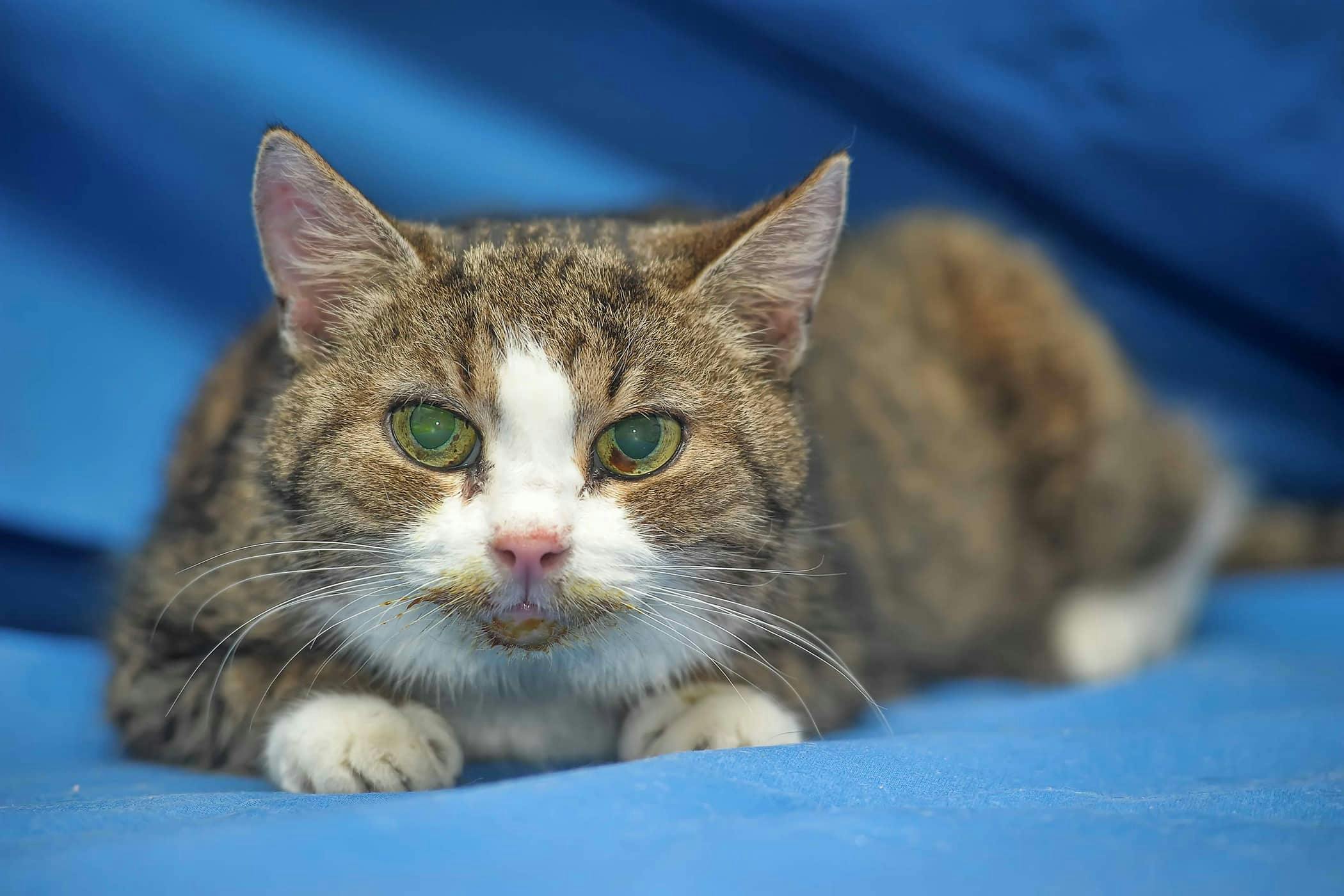
Image Source: images.wagwalkingweb.com
Deciphering the Causes of Cat Foaming Mouth
When a cat exhibits foaming at the mouth, it’s a sign that something is amiss. This excess saliva, often appearing frothy or bubbly, can stem from a variety of sources. It’s important to remember that this symptom alone isn’t a diagnosis, but rather a signal to investigate further.
The Role of Saliva and Its Overproduction
Saliva is a crucial bodily fluid for cats, aiding in digestion, keeping the mouth moist, and acting as a natural lubricant. When a cat foams at the mouth, it means their salivary glands are producing more saliva than can be comfortably swallowed or managed. This cat excessive salivation is a defense mechanism or a reaction to an underlying problem.
Common Triggers for Foaming in Felines
Several factors can lead to a cat foaming at the mouth. Some are relatively minor, while others indicate a significant health concern.
1. Ingesting Irritants or Toxins
One of the most frequent reasons for a cat to foam at the mouth is the ingestion of something unpleasant or toxic. Cats are naturally curious and may lick or chew on things they shouldn’t.
- Bitter Substances: Many medications, especially oral ones, have a bitter taste. When a cat is given a pill, even if administered correctly, some residue can remain, triggering a strong taste aversion response. This can cause them to salivate excessively, leading to foaming.
- Irritant Plants: Certain houseplants are mildly toxic or irritating to cats. If a cat chews on leaves or stems of plants like lilies, Dieffenbachia, or Pothos, they might experience oral irritation, leading to drooling and foaming. Even if the plant isn’t severely toxic, the irritation itself can cause this reaction.
- Chemicals and Cleaning Products: Accidental ingestion of household cleaners, pesticides, or other chemicals can cause significant oral irritation and foaming. This is a critical situation requiring immediate veterinary care. Symptoms can include nausea, vomiting, and even difficulty breathing if the substance is aspirated.
- Certain Foods: While less common, some foods can cause an adverse reaction. For instance, xylitol, an artificial sweetener found in some sugar-free products, is highly toxic to dogs and can also be problematic for cats, though ingestion is less frequent.
Cat Toxic Ingestion – A Serious Concern
If you suspect your cat has ingested something toxic, this is a medical emergency. The foaming at the mouth is often accompanied by other signs like cat nausea vomiting, lethargy, weakness, or changes in behavior. Prompt veterinary attention is essential. It’s helpful to try and identify the ingested substance, if possible, to inform the veterinarian.
2. Allergic Reactions
Just like humans, cats can experience allergic reactions to various substances.
- Food Allergies: While less common than environmental allergies, some cats can develop sensitivities to certain ingredients in their food. This can manifest in various ways, including skin issues, gastrointestinal upset, and occasionally, oral symptoms like excessive salivation.
- Environmental Allergens: Pollen, dust mites, mold, and flea bites can trigger allergic reactions. A severe cat allergic reaction might cause inflammation in the mouth and throat, leading to drooling and foaming.
- Medication Reactions: Cats can be allergic to certain medications, even those prescribed by a vet. If foaming occurs shortly after administering medication, it could be an allergic response.
Signs of an Allergic Reaction
Beyond foaming, look for other signs like itchy skin, hives, swelling of the face or throat, and difficulty breathing. If you suspect an allergic reaction, contact your veterinarian immediately.
3. Oral Pain and Irritation
Discomfort within the mouth is a prime suspect for foaming.
- Dental Problems: Conditions like gingivitis, periodontitis, tooth abscesses, or a fractured tooth can cause significant pain and inflammation in a cat’s mouth. This pain can stimulate excessive saliva production. Your cat might also be seen pawing at mouth or showing reluctance to eat.
- Sore Throat or Mouth Sores: Infections, injuries from ingesting something sharp, or conditions like stomatitis (inflammation of the mouth) can lead to pain and discomfort, resulting in increased salivation.
- Foreign Objects: A small piece of food, a toy fragment, or even a string can become lodged in a cat’s mouth, throat, or esophagus. This can cause irritation, pain, and difficulty swallowing, leading to foaming.
Cat Difficulty Swallowing
When a cat experiences difficulty swallowing due to oral pain or a foreign object, they may drool or foam at the mouth because they can’t manage the excess saliva. They might also gag or try to clear their throat.
4. Nausea and Gastrointestinal Upset
Foaming at the mouth can sometimes be a precursor or accompanying symptom of cat nausea vomiting.
- Motion Sickness: Some cats experience nausea when traveling in cars. Excessive drooling and foaming are common signs of motion sickness in felines.
- Gastrointestinal Issues: Various gastrointestinal problems, including blockages, inflammation, or ingestion of indigestible material, can cause nausea and subsequent salivation.
5. Neurological Issues
In more serious cases, foaming at the mouth can be linked to neurological problems.
- Seizures: Foaming at the mouth is a classic sign associated with seizures in cats, similar to how it can appear in dogs. This is due to involuntary muscle contractions and altered brain activity affecting the body’s normal functions. During a seizure, a cat might lose consciousness, convulse, and exhibit excessive drooling.
- Rabies: While rare in vaccinated domestic cats, rabies is a viral disease that affects the nervous system. Foaming at the mouth is a hallmark symptom of the “furious” form of rabies, although it can also occur in the “paralytic” form. This is a zoonotic disease, meaning it can be transmitted to humans, making it a critical public health concern. Any suspected exposure or symptoms suggestive of rabies require immediate veterinary and public health intervention.
- Other Neurological Disorders: Certain brain disorders or injuries could potentially affect the nerves controlling salivation and swallowing, leading to foaming.
Cat Respiratory Distress
While not a direct cause of foaming, severe respiratory issues can sometimes be mistaken for or associated with foaming if the cat is struggling to breathe and drooling. Conditions like asthma, pneumonia, or obstructions in the airway can cause a cat to breathe with open mouth and produce frothy secretions, which might appear like foaming. This is an emergency situation.
6. Stress and Anxiety
While less common as a sole cause of significant foaming, extreme stress or anxiety can sometimes lead to increased salivation in cats. This is usually a mild drooling rather than profuse foaming, but in highly anxious cats, it might be more noticeable.
What to Do When Your Cat Foams at the Mouth
Observing your cat foaming at the mouth can be alarming. Here’s a guide on how to respond:
Immediate Steps to Take
- Stay Calm: Your anxiety can transfer to your cat.
- Assess the Situation: Try to determine if your cat has ingested something unusual, if there are any visible injuries, or if they are exhibiting other concerning symptoms.
- Check the Mouth (Carefully): If it is safe to do so, and your cat is not distressed or aggressive, gently try to look inside their mouth for any obvious foreign objects or injuries. Do not force your cat if they resist, as this could cause injury to you or your pet.
- Prevent Further Ingestion: If you suspect your cat has eaten something they shouldn’t have, try to remove them from the area and secure any potential hazards.
- Contact Your Veterinarian Immediately: This is the most crucial step. Describe the symptoms, any suspected cause, and your cat’s behavior. They will advise you on whether to bring your cat in immediately.
When to Seek Emergency Veterinary Care
You should seek immediate veterinary care if:
- You suspect cat toxic ingestion.
- Your cat is having difficulty swallowing or breathing.
- Your cat is exhibiting cat respiratory distress.
- Your cat is showing signs of a seizure.
- Your cat is lethargic, weak, or unresponsive.
- The foaming is profuse and persistent.
- You notice any other severe symptoms like collapse, paralysis, or severe pain.
Veterinary Diagnosis and Treatment
At the veterinary clinic, your vet will perform a thorough physical examination, which may include:
- Oral Examination: To check for injuries, foreign bodies, or dental disease.
- Neurological Exam: To assess brain and nerve function.
- Blood Tests: To check for infections, organ function, and potential toxins.
- X-rays or Ultrasound: To look for foreign objects in the digestive tract or signs of internal injury.
Treatment will depend entirely on the underlying cause:
- For Toxic Ingestion: Treatment may involve inducing vomiting (if safe), administering activated charcoal to absorb the toxin, providing supportive care (IV fluids, medications to manage symptoms), and specific antidotes if available.
- For Oral Pain/Foreign Bodies: Pain relief, antibiotics, dental cleaning, extraction of damaged teeth, or surgical removal of foreign objects might be necessary.
- For Allergies: Antihistamines, steroids, or dietary changes may be prescribed.
- For Seizures: Anticonvulsant medications will be administered.
- For Gastrointestinal Upset: Medications to control nausea and vomiting, dietary management, or surgery for blockages.
Preventive Measures
While not all instances of foaming can be prevented, certain measures can reduce the risk:
- Cat-Proof Your Home: Keep toxic plants, chemicals, medications, and small objects out of reach. Secure garbage cans.
- Supervise Your Cat: Especially when outdoors or in new environments where they might encounter new irritants.
- Regular Veterinary Check-ups: Annual or semi-annual exams can help detect dental issues or other health problems early.
- Vaccinations: Ensure your cat is up-to-date on vaccinations, particularly for rabies.
- Careful Medication Administration: If administering oral medication, do so carefully and consider asking your vet about less bitter alternatives or flavoring options.
Frequently Asked Questions About Cat Foaming at the Mouth
Q1: Is foaming at the mouth always a sign of rabies in cats?
A1: No, while rabies can cause foaming at the mouth, it is not the only cause. Many other less severe conditions can lead to this symptom. It’s crucial not to jump to this conclusion without veterinary diagnosis.
Q2: My cat swallowed a pill and is now foaming. What should I do?
A2: If you suspect your cat ingested a medication and is now foaming, contact your veterinarian or an emergency veterinary clinic immediately. Try to identify the medication if possible.
Q3: Can stress alone cause a cat to foam at the mouth?
A3: While severe stress can cause increased salivation, it typically results in mild drooling rather than profuse foaming. Significant foaming is usually indicative of a more physical or medical cause.
Q4: My cat keeps pawing at its mouth and foaming. What could this mean?
A4: Pawing at the mouth often signifies oral pain or irritation. This could be due to dental problems, a foreign object stuck in the mouth, or an injury. It’s important to have this checked by a veterinarian.
Q5: What if my cat is foaming and having trouble breathing?
A5: This is a critical emergency. Foaming accompanied by cat respiratory distress requires immediate transport to the nearest veterinary emergency hospital.
Conclusion
Foaming at the mouth in cats is a multifaceted symptom with a range of potential causes, from minor irritations to life-threatening conditions. Recognizing the accompanying signs and knowing when to seek veterinary advice is paramount. By staying informed and acting swiftly, you can ensure your feline companion receives the best possible care when faced with this unsettling symptom. Always prioritize a consultation with your veterinarian for an accurate diagnosis and appropriate treatment plan.