
Does your furry friend have a knack for exploring where they shouldn’t? Maybe you worry about them tumbling down the stairs when you’re not looking. Keeping pets safe, especially around stairways, is a top priority for many pet owners. But finding the perfect pet gate for stairs can feel like a real puzzle. Should it swing open? Does it need to be tall enough? And how do you install it without damaging your walls?
These questions can make choosing a gate feel overwhelming. You want something sturdy, safe for your pet, and easy for you to use every day. Don’t worry; you are not alone in this struggle. We understand the frustration of buying a gate that doesn’t quite fit or doesn’t keep your curious companion secure.
This guide cuts through the confusion. We will explore the best types of pet gates specifically designed for stairs. You will learn what features truly matter for safety and convenience. By the end of this post, you will feel confident choosing the ideal gate to keep your pet happy and your home secure. Let’s dive into finding the perfect barrier for your stairs!
Top Pet Gate For Stairs Recommendations
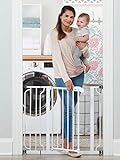


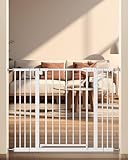

The Ultimate Buying Guide: Keeping Paws Safe on the Stairs
Stairs can be tricky for pets. Puppies, senior dogs, and even small cats can sometimes have trouble climbing or could accidentally tumble down. A good pet gate for stairs is a lifesaver. It keeps your furry friend safe and sound. This guide helps you pick the best one!
Key Features to Look For
When shopping, look for these important features first. They make the gate work better and last longer.
1. Installation Style Matters Most
- Pressure-Mounted Gates: These gates use tension against the walls. They are easy to install and remove without drilling holes. However, they are generally **not recommended for the top of stairs**. A determined pet could push them over.
- Hardware-Mounted Gates: These gates screw directly into the wall or banister posts. They offer the strongest hold. **Always use a hardware-mounted gate at the top of the stairs** for maximum safety.
2. Opening Mechanism
You need a gate you can easily open, even when holding a wriggly pet or a load of laundry. Look for one-hand operation. Gates that swing open away from the stairs are often safest.
3. Height and Width Adjustability
Measure your staircase opening carefully! Gates should be tall enough so your pet cannot easily jump over them. Some gates adjust in width, which helps if your hallway or landing is an odd size.
Important Materials for Durability
The material of the gate affects how long it lasts and how safe it is.
- Metal (Steel or Aluminum): Metal gates are very strong. They resist chewing better than plastic. Steel is heavy and very durable.
- Wood: Wood gates look nice and blend well with home decor. Make sure the wood is sealed properly so moisture doesn’t cause it to warp. Avoid gates where the paint or stain might chip easily if chewed.
- Plastic: Plastic is lightweight and often cheaper. It works well for very small pets or temporary use, but large dogs can break weaker plastic pieces.
Factors That Improve or Reduce Quality
Quality isn’t just about the price tag. It’s about thoughtful design.
Quality Boosters:
- Smooth Latching System: A gate that latches securely every time is high quality. Wobbly latches mean weak security.
- No Pinch Points: Look for hardware that won’t pinch fingers or paws when opening or closing.
- Wall Protectors: Good gates come with rubber pads or cups for pressure-mounted styles. These protect your paint and drywall.
Quality Reducers:
- Narrow Bars/Gaps: If the vertical bars are spaced too far apart, a small pet’s head could get stuck. Check safety standards for bar spacing.
- Flimsy Hinges: Hinges that feel loose or wobble when installed suggest the gate might fail under pressure.
User Experience and Use Cases
Think about where and how you will use the gate daily.
Top of Stairs Use:
If the gate is for the top landing, safety is number one. You must use a hardware-mounted gate here. Ensure the gate swings open toward the landing, not over the steps, so no one trips on the bottom edge.
Bottom of Stairs Use:
At the bottom, you have more flexibility. Pressure-mounted gates often work fine here because gravity helps keep them in place. However, a hardware-mounted gate is still the most secure option if your dog is a powerful pusher.
Traveling Needs:
If you need a gate for travel, look for lightweight, foldable options. These sacrifice some sturdiness for portability.
10 FAQs About Pet Gates for Stairs
Q: What is the safest type of gate for the top of the stairs?
A: Hardware-mounted gates provide the strongest, safest barrier at the top of the stairs because they attach firmly to the wall structure.
Q: Can I use a pressure-mounted gate at the top of the stairs?
A: Most safety experts strongly advise against it. A strong push from a pet could dislodge a pressure gate, causing a dangerous fall.
Q: How tall should a pet gate be?
A: The gate should be taller than your pet can comfortably jump. For most medium to large dogs, 30 to 36 inches is a good height.
Q: Do I need a special gate if I have round banisters?
A: Yes. Standard hardware mounts might not work well on rounded posts. Look for gates that include special mounting adapters or brackets designed for banisters.
Q: What does “one-hand operation” mean?
A: It means you can open and close the gate using only one hand, which is very helpful when you carry your pet or laundry baskets.
Q: Are wooden gates safe from chewing?
A: Solid wood is tough, but some pets still chew. Look for non-toxic finishes. Metal gates usually resist chewing best.
Q: How do I measure for the right gate size?
A: Measure the width of the opening where you plan to install the gate. Also, measure the height from the floor to the bottom of the handrail.
Q: What if my gate squeaks?
A: Squeaking usually comes from the hinges or the latch mechanism. Try applying a small amount of silicone spray or petroleum jelly to the moving parts.
Q: Are gates with vertical bars safe for small puppies?
A: Check the spacing between the bars. If the gap is wider than 2.5 inches, a very small puppy or kitten might squeeze through or get their head stuck.
Q: How do I clean my pet gate?
A: Wipe down metal and plastic gates with a damp cloth and mild soap. For wooden gates, use a wood cleaner appropriate for the finish.