
Can a cat lick its own wound to heal it? While cats are known for their meticulous grooming habits, allowing them to lick a wound can introduce bacteria and delay healing. The best way to stop a cat from licking a wound is by using physical barriers and consulting your veterinarian for proper wound care.
It’s a common concern for any cat owner: your beloved feline has an injury, and you’re desperate to help it heal. However, the very instinct that makes cats so clean – their grooming – can become a significant obstacle when it comes to wound healing. Cat wound licking prevention is a critical aspect of wound care for cats. Allowing a cat to continuously lick an open wound can do more harm than good. This extensive guide will delve into why cats lick wounds, the risks involved, and the safest, most effective methods to stop cat self-grooming wounds and ensure proper feline wound management.
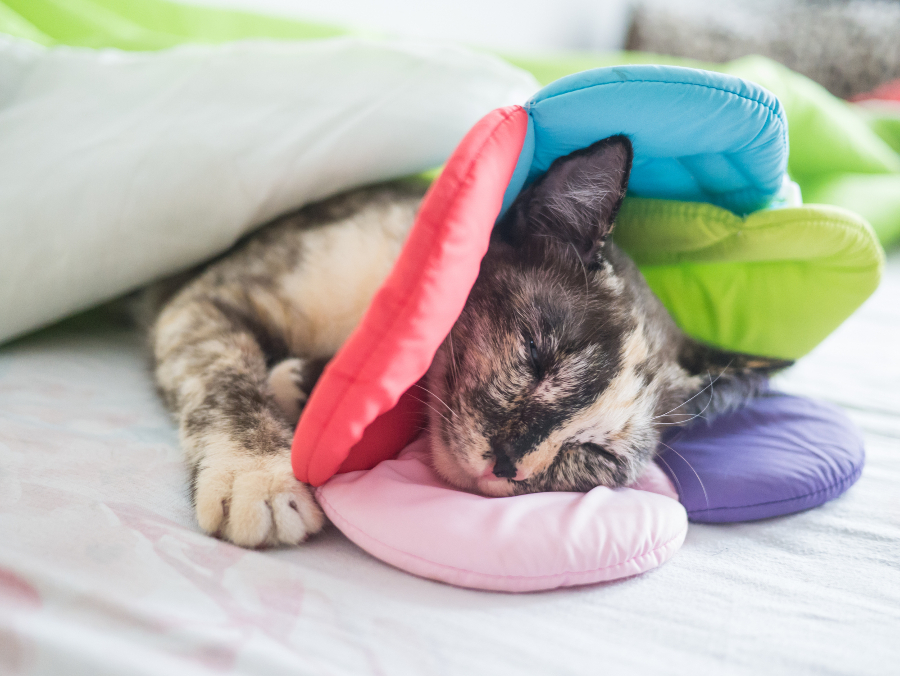
Image Source: www.healthypawspetinsurance.com
Why Do Cats Lick Wounds?
Before we explore how to stop the licking, it’s helpful to grasp why cats engage in this behavior.
Natural Instincts and Healing Properties
- Saliva’s Antibacterial Properties: Cat saliva contains natural antibacterial enzymes, such as lysozyme. This has led to the age-old belief that “a cat’s lick is a kiss from God.” In a very basic sense, there’s a kernel of truth here; saliva can help cleanse a wound superficially.
- Cleaning and Removing Debris: Grooming is paramount for cats. When injured, they instinctively try to clean the area, removing dirt, debris, and foreign objects that could impede healing.
- Pain Relief and Comfort: The act of licking can be soothing for a cat. It’s a self-soothing behavior that can help distract them from pain and discomfort. Think of it like a human instinctively touching a sore spot.
When Licking Becomes a Problem
While these instincts are natural, they can become detrimental when a wound is significant or has been treated with medication.
- Introducing Bacteria: Despite the natural antibacterial properties, a cat’s mouth is teeming with bacteria. If the wound is not perfectly clean or has been surgically closed (like an incision), introducing these bacteria can lead to infection. This is especially true if you’ve applied cat antibiotic ointment licking is a common issue.
- Irritating and Damaging Tissue: Persistent licking can irritate sensitive healing tissues, break down stitches, and even remove beneficial healing agents from the wound bed. This can cause the wound to reopen, delay healing, and increase the risk of scarring.
- Removing Topical Medications: If you’ve applied cat wound dressing or creams, licking will inevitably remove them, rendering the treatment ineffective.
The Risks of Cat Wound Licking
Continuously allowing your cat to lick a wound can lead to several complications:
- Infection: This is the most significant risk. Bacteria from the mouth can enter the wound, causing redness, swelling, pus, pain, and fever.
- Delayed Healing: The constant irritation and removal of healing cells can prolong the recovery process considerably.
- Wound Dehiscence: In cases of surgical incisions or sutures, excessive licking can pull apart stitches, causing the wound to open up. This is a serious complication that requires immediate veterinary attention to protect cat incision.
- Self-Trauma: Some cats can become obsessive about licking, leading to raw, inflamed skin around the wound, a condition known as lick granuloma.
- Ingestion of Medication: If topical medications are applied, licking can lead to the cat ingesting them, potentially causing adverse reactions or toxicity.
Methods to Stop Cat Wound Licking
Successfully preventing cat chewing wounds requires a multi-pronged approach, often involving physical barriers and behavioral management.
The Gold Standard: The Elizabethan Collar (E-Collar)
The Elizabethan collar for cats, often referred to as a cat cone for wounds, is the most common and generally the most effective method for preventing a cat from reaching its wounds.
Types of E-Collars:
- Traditional Plastic Cones: These are the most widely recognized. They are typically made of clear or colored plastic and extend beyond the cat’s nose, creating a barrier.
- Pros: Highly effective at preventing access to most body parts, relatively inexpensive.
- Cons: Can be cumbersome, hinder eating and drinking, obstruct vision, make sleeping difficult, and some cats find them extremely stressful. They can also knock into furniture, causing further distress.
- Inflatable Collars: These are soft, donut-shaped collars that inflate around the cat’s neck.
- Pros: Less intrusive than plastic cones, allow for more peripheral vision, and don’t typically interfere with eating or drinking. They are also often more comfortable for the cat.
- Cons: Some determined cats can still reach over or around them, especially if the wound is on a leg or tail. They can also be punctured if the cat is destructive.
- Soft Collars (Fabric or Padded): These are more like flexible neck pillows.
- Pros: Most comfortable option for the cat, allowing better vision and easier movement.
- Cons: Least effective at preventing access to wounds, especially on the paws, legs, or tail. Primarily suitable for very minor wounds or very compliant cats.
- “Sleeve” or “Suit” Type Collars: These are specialized garments, often resembling bodysuits with built-in neck or chest protection.
- Pros: Can be very effective for specific wound locations and offer a less stressful alternative for some cats.
- Cons: Can be difficult to fit correctly, may interfere with regular grooming of other body parts, and can be expensive.
Tips for Using E-Collar Successfully:
- Proper Fit is Crucial: Ensure the collar is snug enough to prevent reach but not so tight that it restricts breathing or causes discomfort. You should be able to slip two fingers between the collar and the cat’s neck.
- Acclimation: Introduce the cone gradually. Let your cat sniff it, offer treats near it, and perhaps try it on for short periods while you are present.
- Comfort and Accessibility: Ensure your cat can still access its food and water bowls. You might need to raise the bowls or use shallower bowls.
- Supervision: Initially, monitor your cat closely when the cone is on to ensure they are not panicking or injuring themselves trying to remove it.
- Professional Advice: If your cat is extremely distressed or unable to adapt, consult your veterinarian. They may have alternative solutions or be able to prescribe mild sedatives if absolutely necessary.
Wound Dressings and Bandages
A well-applied cat wound dressing can act as a physical barrier, and when used in conjunction with other methods, can be highly effective.
Types of Dressings:
- Sterile Gauze Pads: Used to cover the wound.
- Non-Adherent Pads: These are crucial to prevent the dressing from sticking to the healing tissue.
- Medical Tape: Hypoallergenic tape is best to avoid skin irritation.
- Vet Wrap or Cohesive Bandages: These self-adhering bandages hold the gauze in place and provide a protective outer layer.
Key Considerations for Bandaging:
- Veterinarian Application: For most wounds, it’s best to have a veterinarian apply the initial dressing and bandage. They know how to clean the wound properly and apply bandages without restricting circulation.
- Monitoring: Bandages need to be checked regularly for swelling, discomfort, or dampness, which can indicate infection or that the bandage is too tight.
- Licking the Bandage: Even with a bandage, cats may try to lick or chew it. This is where combining bandaging with an E-collar or a protective suit is often necessary.
- Changing Dressings: Follow your vet’s instructions precisely regarding how often to change the dressing. Improper changing can introduce bacteria.
Protective Clothing and Bodysuits
For specific wound locations, especially on the torso or legs, soft bodysuits or specialized recovery suits can be excellent alternatives to the dreaded cone.
- Surgical Recovery Suits: These are essentially soft, breathable onesies designed to cover surgical incisions or wounds.
- Pros: Can be very comfortable, allow for natural movement, and prevent licking without the visual obstruction of a cone. They can also help keep the cat warm.
- Cons: May not be suitable for all wound locations (e.g., tail, ears, or complex leg wounds). The cat might still try to chew through the fabric if the wound is particularly irritating. Ensure a good fit to prevent chafing or constriction.
- T-shirts/Socks: For very minor wounds on legs or paws, a clean, child-sized t-shirt or a soft sock can provide a temporary barrier.
- Pros: Readily available, can be comfortable.
- Cons: Cats are adept at removing socks or chewing through t-shirts. They need to be secured properly but not too tightly.
Bitter Sprays and Deterrents
While less reliable on their own, topical deterrents can sometimes help.
- Pet-Safe Bitter Sprays: These sprays have a foul taste that can discourage licking.
- Pros: Non-invasive.
- Cons: Most cats either tolerate the taste or lick it off quickly. They are not a substitute for a physical barrier. Crucially, never use human-grade bitter sprays, as they can be toxic. Always ensure the product is specifically formulated for pets.
Creating a Safe Environment and Managing Behavior
Beyond physical barriers, managing your cat’s environment and emotional state is crucial for healing.
- Minimize Stress: A stressed cat may lick wounds more. Ensure your cat has a quiet, safe space to rest, away from other pets or loud noises.
- Enrichment (Carefully): Provide gentle play or interaction that doesn’t involve the wounded area. This can help distract them from their discomfort.
- Monitor Activity: Restrict vigorous activity that could strain the wound or cause it to reopen.
- Veterinary Consultation: If the licking is compulsive and you’re struggling to manage it, talk to your vet. They can assess if there’s an underlying behavioral issue contributing to the problem.
Advanced Feline Wound Management Techniques
For particularly stubborn cases or complex wounds, your veterinarian may suggest more advanced interventions.
Protective Sleeves and Boots
For wounds on the legs or paws, specialized protective sleeves or boots can be used.
- Design: These are typically made of soft but durable fabric, often with Velcro closures. They can be custom-fitted or purchased in various sizes.
- Purpose: They act as a physical barrier, preventing licking and protecting bandages.
- Usage: These often require regular checking and may need to be removed for cleaning or inspection.
Soft Collars for Specific Areas
Some specialized soft collars are designed to protect only the head and neck area, allowing more freedom for the rest of the body. However, their effectiveness for wounds elsewhere on the body is limited.
Topical Antibiotic Ointments and Their Licking Problem
If your vet prescribes cat antibiotic ointment licking is a very common problem. The ointment itself can be enticing or even taste good to the cat.
- Covering the Ointment: This is precisely why immediate covering with a sterile pad and tape or a protective suit is essential after applying ointment.
- Timing is Key: Apply the ointment just before you put on a bandage or protective clothing, or when the cat is supervised.
When to Seek Veterinary Help
It’s vital to recognize when self-treatment or home remedies are insufficient.
Signs Your Cat Needs Professional Veterinary Care:
- Wound is Deep or Large: Any wound that is more than a superficial scratch.
- Excessive Bleeding: Bleeding that doesn’t stop with gentle pressure.
- Signs of Infection: Redness, swelling, heat, pus, foul odor, or increased pain.
- Wound Not Healing: If the wound appears to be getting worse or not improving after a few days.
- Your Cat is Lethargic or Unwell: This can indicate a systemic infection.
- You Cannot Prevent Licking: If all attempts to stop your cat from licking fail and the wound is at risk.
- Wound is on a Critical Area: Wounds near the eyes, mouth, or anus require careful veterinary assessment.
- Post-Surgical Incisions: Any incision needs professional monitoring.
Your veterinarian is your best resource for diagnosing the type of wound, providing appropriate treatment (which may include antibiotics, pain relief, or wound debridement), and advising on the best methods for cat wound licking prevention specific to your cat and their injury. They can also demonstrate how to apply cat wound dressing correctly.
Table: Pros and Cons of Wound Protection Methods
| Method | Pros | Cons | Best For |
|---|---|---|---|
| Plastic E-Collar | Highly effective barrier, inexpensive. | Cumbersome, restricts vision/movement, can be stressful, hinders eating/drinking. | Most wounds, especially torso and neck. |
| Inflatable Collar | More comfortable, better vision, less interference with eating/drinking. | Some cats can reach over, can be punctured, less effective for leg/tail wounds. | Cats who can’t tolerate plastic cones, torso wounds. |
| Soft/Fabric Collar | Most comfortable, allows free movement. | Least effective, cats can often lick past them, not suitable for most wounds. | Very minor irritations, extremely compliant cats. |
| Bodysuits/Recovery Suits | Comfortable, less stressful, good for torso/leg wounds. | May not fit all wounds, potential for chewing through fabric, can interfere with grooming other areas. | Surgical incisions, torso or leg wounds. |
| Bandages/Dressings | Protects wound, absorbs exudate, can keep medication in place. | Can be licked/chewed, requires careful application and monitoring, risk of infection if damp. | Almost all wounds, often in conjunction with other methods. |
| Protective Sleeves/Boots | Specific protection for limbs, prevents licking, protects bandages. | Requires good fit, may need frequent checks, can restrict movement. | Leg or paw wounds. |
Frequently Asked Questions (FAQ)
Q1: Will my cat hate the cone?
It’s common for cats to dislike the Elizabethan collar (cone) initially. They can feel disoriented, clumsy, and restricted. However, most cats do adapt to wearing them after a short period. Patience, positive reinforcement (treats!), and ensuring a proper fit can make the experience less stressful. If your cat is showing extreme distress or self-harming to get the cone off, consult your veterinarian for alternatives.
Q2: Can I use tape to secure a bandage if my cat tries to lick it?
Using tape to secure a bandage is common, but it should always be applied gently and with pet-safe, hypoallergenic tape. The tape should not restrict blood flow. If your cat is persistently trying to chew through the tape and bandage, it indicates the need for a more robust barrier like an E-collar or a recovery suit. Never use human medical tape without consulting your vet.
Q3: My cat’s wound is on its tail. What’s the best way to stop it from licking?
Tail wounds are notoriously difficult to protect. Traditional plastic cones might not extend far enough. In these cases, a veterinarian might recommend a specialized tail wrap or a longer, more rigid cone. Sometimes, a full-body recovery suit can also help prevent access. Continuous supervision might be necessary in addition to these measures.
Q4: How do I clean a cat’s wound safely?
Always consult your veterinarian for specific cleaning instructions. Generally, wounds should be cleaned with a saline solution or a veterinarian-recommended antiseptic. Avoid using alcohol or hydrogen peroxide, as these can damage healing tissues. Gently flush the wound to remove debris, and pat dry with a sterile gauze pad. Never scrub a wound vigorously.
Q5: My cat licked off the antibiotic ointment again. What can I do?
This is a common frustration. The best approach is to apply the cat antibiotic ointment licking is prevented immediately by applying a cat wound dressing or a protective suit right afterward. You might also try applying the ointment when your cat is sleepy or shortly before you can supervise them closely. If licking persists, inform your vet; they might suggest a different formulation or a longer-acting medication.
Q6: Is it okay to let my cat lick a very small scratch?
For a very minor, superficial scratch that is already scabbing over and your cat isn’t obsessively licking, it might be acceptable. However, even small wounds can become infected. If you are unsure, it’s always safest to consult your veterinarian. Preventing licking, even for small wounds, generally speeds up healing and reduces the risk of complications.
Q7: My cat keeps trying to chew wounds on its paws. What is effective?
Paw wounds are very challenging. E-collars are often ineffective as cats can bend down to lick their paws. Specialized paw bandages secured with vet wrap are a start, but cats can often chew through these. Protective booties or recovery suits that cover the legs are usually the most effective. Some veterinarians might even recommend a temporary splint or cast for severe paw injuries to prevent movement and licking.
By adhering to these guidelines and working closely with your veterinarian, you can effectively manage your cat’s wounds, prevent harmful licking, and ensure a smooth and speedy recovery. Remember, consistent effort and the right protective measures are key to successful feline wound management.