
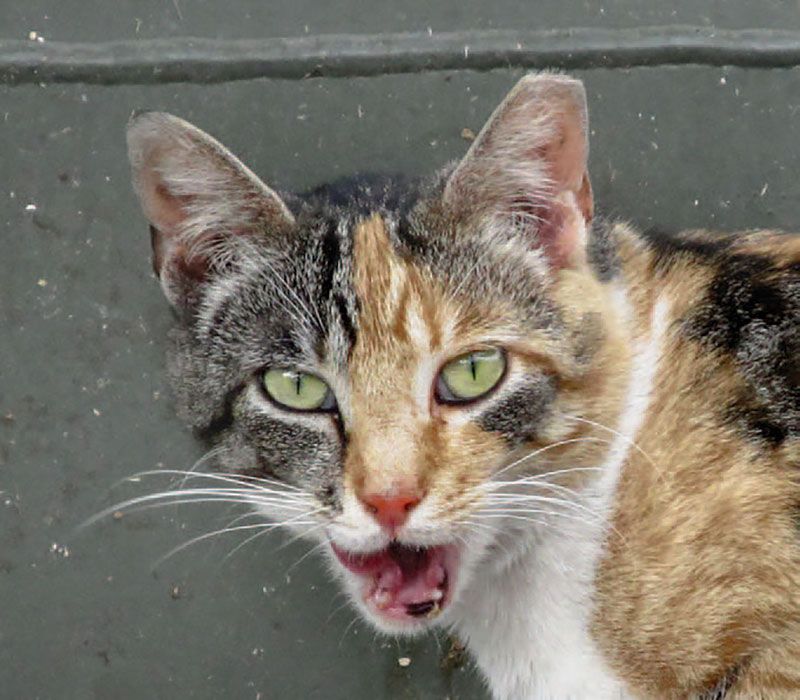
Image Source: humanepro.org
How To Reintroduce Feral Cat After Being Spayed Safely: A Step-by-Step Guide
Can you reintroduce a feral cat after spaying? Yes, absolutely. The safe reintroduction of spayed feral cats is a critical component of Trap-Neuter-Return (TNR) programs, ensuring the feral cat welfare post-op is prioritized. This guide provides a comprehensive, step-by-step approach to help you facilitate a smooth and safe return for these resilient animals. It addresses key aspects of feral cat recovery and feral cat aftercare, aiming to make the process as stress-free as possible for both the cat and the caregiver.
Preparing for the Return: The Crucial First Steps
Before the day of the post-spay release, thorough preparation is paramount. This isn’t just about having a plan; it’s about anticipating the cat’s needs and creating an environment conducive to healing and reintegration. Proper planning minimizes stress and maximizes the chances of a successful TNR return.
Understanding the Healing Process
A spayed female cat, or a neutered male cat, will need time to recover from surgery. This typically involves a period of reduced activity and monitoring for any signs of complications. The incision site needs to be kept clean and dry, and the cat should be protected from extreme weather and potential predators during this vulnerable time.
Essential Supplies for Post-Surgery Care
Gathering the necessary supplies in advance will make the transition smoother. Think of it as creating a temporary, safe haven for the cat.
- Secure and Appropriate Housing: A sturdy, weather-proof trap or a large, secure cage is essential. This should be placed in a quiet, sheltered location away from heavy foot traffic and potential disturbances.
- Comfortable Bedding: Soft, absorbent bedding like newspaper, straw, or clean towels will provide comfort and insulation. Avoid materials that could unravel and be ingested.
- Food and Water Bowls: Clean, non-tip food and water bowls are necessary. Fresh water should always be available.
- Nutritious Food: High-quality, palatable wet food is often preferred for post-surgery recovery as it aids hydration.
- Medication: If pain medication or antibiotics have been prescribed by the veterinarian, ensure you have them ready and know the dosage and schedule.
- Cleaning Supplies: Disinfectant wipes or sprays and paper towels will be needed for maintaining hygiene.
- Gloves: Disposable gloves are important for hygiene when handling the cat or cleaning its enclosure.
Choosing the Right Location for Recovery
The recovery location is as important as the supplies. It needs to offer safety, security, and minimal disruption.
- Shelter: The ideal location is a sheltered area, such as a garage, shed, or a sturdy outdoor enclosure. This protects the cat from rain, wind, sun, and potential predators.
- Quiet Environment: Avoid areas with a lot of noise or activity. A secluded spot will help the cat feel safer and less stressed.
- Accessibility: While it needs to be secluded, the location should be accessible for you to provide food, water, and medication regularly.
- Temperature Control: Ensure the recovery area is not too hot or too cold. Extreme temperatures can hinder healing.
The Immediate Post-Surgery Period: Monitoring and Care
The first few days after surgery are critical. Diligent observation and care are paramount to ensuring the cat recovers well. This is where feral cat aftercare truly begins.
Transporting the Cat Home
Handle the cat gently and with care during transport. Keep the carrier covered to minimize visual stimulation and stress. Speak in a calm, soothing voice if necessary, but avoid excessive interaction.
Setting Up the Recovery Enclosure
Once at your chosen recovery location, carefully transfer the cat into its prepared enclosure. Ensure the enclosure is secure and the cat cannot escape. Place food and water within easy reach.
Daily Care Routine
A consistent daily routine is vital for the cat’s well-being and recovery.
- Feeding: Offer small, frequent meals of palatable wet food. Monitor appetite and water intake closely.
- Water: Always ensure fresh, clean water is available.
- Medication Administration: Administer any prescribed medications as directed by the veterinarian. This might involve mixing them with food or using a pill dispenser.
- Observation: Look for any signs of distress, pain, or complications. This includes changes in behavior, appetite, or the appearance of the incision.
- Cleaning: Maintain a clean enclosure. Remove soiled bedding and waste promptly.
Recognizing Signs of Complications
While most cats recover smoothly, it’s important to be aware of potential issues.
- Incisional Issues: Redness, swelling, discharge, or the opening of the incision site are serious concerns.
- Lethargy: Extreme tiredness or unresponsiveness beyond normal post-operative drowsiness.
- Loss of Appetite: If the cat refuses to eat for more than 24 hours.
- Vomiting or Diarrhea: Persistent or severe digestive upset.
- Difficulty Urinating or Defecating: Signs of blockage or discomfort.
If you observe any of these signs, contact your veterinarian immediately.
Transitioning to Reintroduction: When is the Cat Ready?
Knowing when to move from the indoor recovery phase to the outdoor cat return requires careful assessment. The cat’s physical and behavioral cues are the primary indicators.
Assessing Physical Recovery
The most important factor is the complete healing of the surgical incision.
- Incision Check: The incision should be clean, dry, and free of any swelling, redness, or discharge. Sutures or surgical glue should be intact and not causing irritation.
- Mobility: The cat should be able to move around comfortably without signs of pain or lameness. It should be able to jump and groom itself as usual.
- Appetite and Hydration: The cat should be eating and drinking normally.
Evaluating Behavioral Readiness
Beyond physical healing, the cat’s behavior indicates its readiness for the outside world.
- Activity Level: The cat should be alert, active, and showing normal behaviors like grooming, exploring, and interacting with its environment.
- Vocalization: While some vocalization is normal, excessive or distressed meowing might indicate continued discomfort.
- Interest in the Outside: The cat might show interest in its surroundings, sniffing at the enclosure edges or looking outwards.
A general guideline is that a cat is usually ready for release 7 to 14 days after surgery, provided there are no complications. Your veterinarian can provide specific guidance based on the individual cat’s recovery.
The Reintroduction Process: A Gradual Return
The goal is to make the transition as seamless as possible. This involves a phased approach to minimize stress and reacquaint the cat with its outdoor environment. This is a crucial step in successful reintroduction of spayed feral.
Step 1: Acclimation to the Outdoors (Partial Release)
This step involves allowing the cat to experience its familiar territory while still having a safe haven.
- Moving the Enclosure: On the day of reintroduction, move the secure enclosure containing the cat to its original territory or a familiar safe spot in the outdoors. This could be near its usual feeding station or shelter.
- Opening the Trap/Cage: Once the enclosure is in place and the cat appears calm, open the trap or cage door. Do not force the cat out. Allow it to exit on its own when it feels ready.
- Initial Observation: Stay at a distance and observe the cat’s behavior. It may initially stay close to the enclosure, explore cautiously, or immediately dart away.
Step 2: Providing Continued Support
Even after the cat leaves the enclosure, continued support is vital for its feral cat welfare post-op and successful integration back into its colony or territory.
- Food and Water Stations: Ensure regular food and water are available at established feeding stations. This helps the cat regain its bearings and provides a sense of security.
- Shelter: Maintain access to existing or new safe shelter options.
- Monitoring: Continue to monitor the cat from a distance, looking for signs of health and well-being.
Step 3: Gradual Reduction of Direct Support (If Applicable)
If you were providing intensive care (e.g., daily food and water inside the enclosure), you can gradually reduce this as the cat becomes more independent.
- Fewer Direct Feedings: As the cat starts foraging or interacting more with its environment, you can reduce the frequency of direct feeding at the former enclosure site.
- Focus on Community Feeding: Shift focus to maintaining food and water sources within the cat’s established territory or colony area.
What to Expect After Reintroduction
Every feral cat is an individual, and their behavior after TNR return can vary.
Common Behaviors
- Initial Wariness: The cat might be more cautious or skittish than before surgery.
- Seeking Familiar Territory: It will likely return to its familiar hunting grounds and social groups.
- Grooming and Resting: The cat will likely spend time grooming itself and finding safe places to rest and sleep.
- Interaction with Other Cats: It will resume interactions with other cats in its colony, if applicable.
Less Common but Possible Behaviors
- Temporary Disorientation: In rare cases, a cat might appear temporarily disoriented. This usually resolves within a day or two.
- Seeking Out Caregivers: Some cats may seek out their caregivers for food or comfort, especially if they had a strong bond during the recovery period.
Important Considerations for the Caregiver
As a caregiver, your role extends beyond the initial surgery and release. Your ongoing actions contribute significantly to the cat’s long-term feral cat welfare post-op.
Maintaining Consistent Feeding and Watering
For colony cats or those who rely on human provision, consistent feeding and watering are crucial, especially during the adjustment period after post-spay release. This ensures they are getting adequate nutrition and are less likely to wander into potentially dangerous areas in search of food.
Respecting the Cat’s Independence
Remember that these are feral cats. While they may have benefited from your care, they are not domesticated pets. Avoid the urge to try and handle them excessively or force interaction. Respect their natural behaviors and boundaries.
Socialization (Optional and Advanced)
While the primary goal is a safe TNR return, for some cats, particularly younger ones or those showing some tolerance to humans, gradual socialization might be considered if rehoming feral cat is a potential future goal. This is a long-term process and requires patience and consistent positive reinforcement. However, for the majority of feral cats, the focus remains on their successful integration back into their outdoor lives.
Monitoring the Colony Health
If you are involved in a larger TNR effort, continue to monitor the health of the entire colony. This includes looking for new unsterilized cats, signs of illness, or changes in the environment that might impact the cats.
Frequently Asked Questions (FAQ)
Here are answers to common questions regarding the reintroduction of spayed feral cats.
Q1: How long does it take for a feral cat to fully recover from spaying?
A1: Most feral cats are typically ready for post-spay release between 7 to 14 days after surgery, provided there are no complications. Full recovery of the incision site and return to normal activity levels are key indicators.
Q2: Can I reintroduce a feral cat if its incision looks a little red?
A2: A slight redness at the incision site can be normal during the initial healing phase. However, if there is significant swelling, discharge, or the cat is licking at the incision, it’s best to consult your veterinarian before proceeding with the TNR return.
Q3: What if the feral cat doesn’t want to leave the recovery enclosure?
A3: This is common. Feral cats are naturally cautious. Do not force the cat out. Leave the door open and continue to provide food and water. The cat will leave when it feels safe and ready. This patience is crucial for feral cat recovery.
Q4: Should I continue to feed the feral cat after returning it to the outdoors?
A4: Yes, especially if the cat was reliant on your feeding or if you are part of a colony management program. Consistent feeding stations provide essential nutrition and help the cat stay within its territory, contributing to its overall feral cat welfare post-op.
Q5: What is the difference between a feral cat and a stray cat after surgery?
A5: A feral cat has little or no contact with humans and exhibits wild behaviors. A stray cat is a domestic cat that has been lost or abandoned and may still be accustomed to human interaction. The reintroduction of spayed feral is often more about returning them to their established outdoor territory, whereas a stray cat might be a candidate for rehoming feral cat if it shows sufficient domestication. The post-operative care and return plan for a stray might differ.
Q6: Are there any specific guidelines for the TNR return of male cats after neutering?
A6: The principles are very similar for neutered male cats. They also require a period of recovery, monitoring of the incision site, and a gradual outdoor cat return. The recovery time is generally comparable to that of spayed females, and similar attention to minimizing stress is required for a successful feral cat aftercare plan.
Q7: Can I release a feral cat in a different location after surgery?
A7: Generally, the recommendation for TNR is to return cats to their original territory. This is because they are familiar with the resources and dangers of that area. Releasing a cat in a new location without prior acclimatization can be stressful and may compromise its survival. If rehoming feral cat is the goal, a much longer and more deliberate process is involved. The feral cat release guidelines strongly advocate for return to the original trapping location.
By following these detailed steps and prioritizing the cat’s well-being, you can ensure a safe and successful reintroduction of spayed feral cats, contributing to their health and the humane management of feral cat populations.