
Can you measure for a cat harness at home? Yes, you can! With a few simple tools and this guide, you can ensure your feline friend is comfortable and secure on your adventures. This detailed approach will help you achieve the correct cat harness size, avoiding any discomfort or escape attempts.
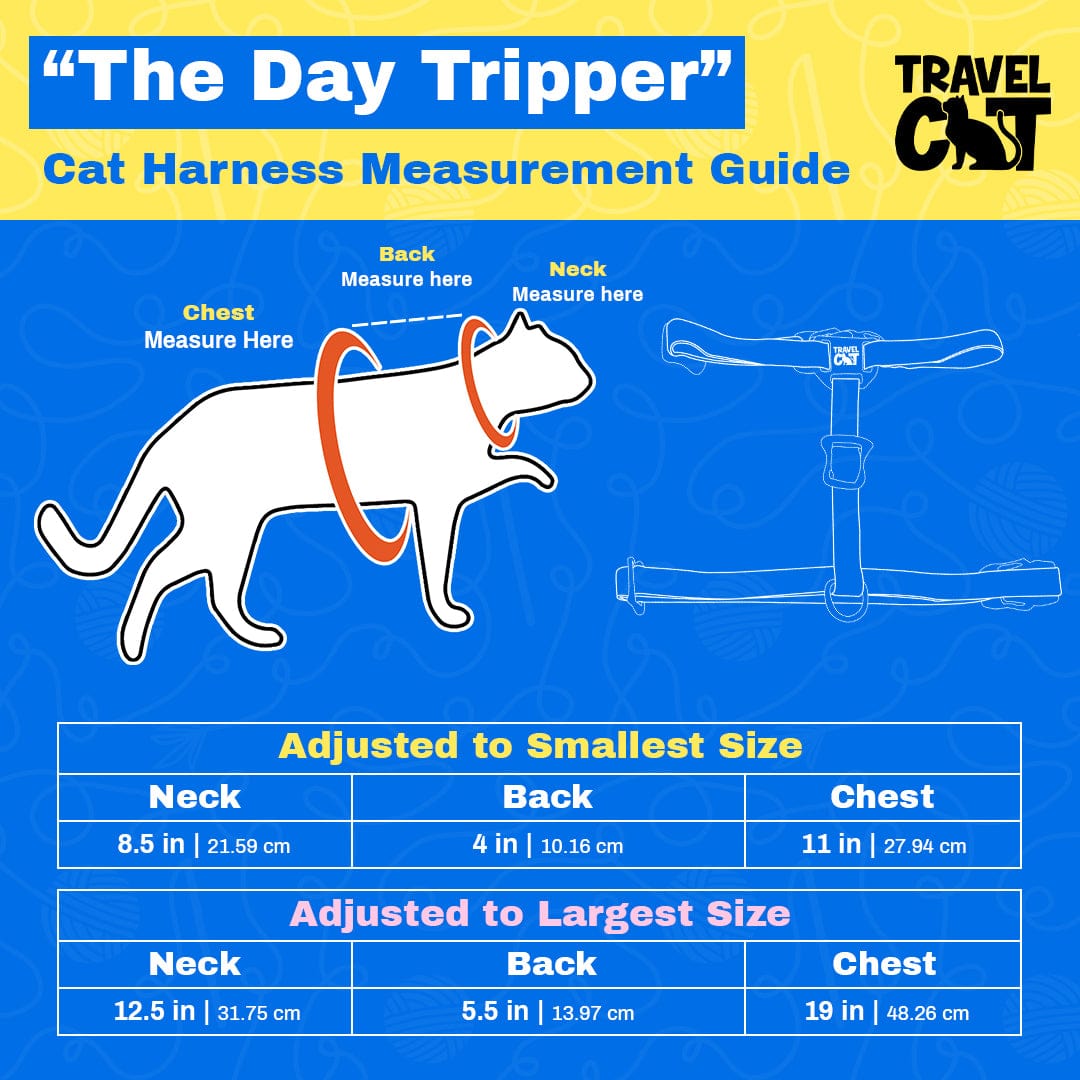
Image Source: yourcatbackpack.com
Why Accurate Measurements Matter
Getting the right cat harness size is crucial for your cat’s safety and comfort. A harness that’s too tight can restrict movement, cause chafing, or even injury. A harness that’s too loose can allow your cat to slip out, leading to a dangerous situation. This cat harness fitting guide emphasizes that a proper fit is paramount for enjoyable walks and supervised outdoor time. It’s about more than just aesthetics; it’s about your cat’s well-being.
Comfort is Key
A well-fitting harness won’t pinch or rub your cat. It allows for natural movement, whether they’re exploring their surroundings or simply sitting and observing. When you’re measuring a cat for a vest harness, think about how a well-fitting jacket feels – snug but not constricting.
Safety First
The primary reason for a correct cat harness size is safety. An ill-fitting harness can be a serious hazard. Your cat could get stuck, injured, or worse, escape and get lost. A secure fit means peace of mind for you and safety for your adventurous cat.
Essential Measuring Tools
Before you start measuring, gather these simple tools:
- Flexible Measuring Tape: A tailor’s tape measure is ideal. If you don’t have one, a piece of string or ribbon and a ruler will work.
- Pen and Paper: To record your measurements.
- Treats and Patience: To keep your cat calm and cooperative!
Step-by-Step Measurement Guide
This feline harness measurement process is straightforward. The most important measurements are your cat’s chest girth and neck circumference.
Measuring Your Cat’s Chest Girth
This is the most critical measurement for ensuring a proper cat harness fit.
- Locate the Widest Part: Find the widest part of your cat’s chest, which is typically right behind their front legs.
- Wrap the Tape Measure: Gently wrap the flexible measuring tape around your cat’s chest at this widest point.
- Ensure a Snug Fit: The tape should be snug, but not so tight that it digs into your cat’s fur or skin. You should be able to slip two fingers comfortably between the tape and your cat’s body. This is a key cat harness fitting tip.
- Record the Measurement: Write down the measurement in inches or centimeters.
Example: If the tape reads 14 inches, that’s your cat’s chest girth.
Measuring Your Cat’s Neck Circumference
While chest girth is primary, neck measurement also plays a role, especially in some harness designs.
- Find the Base of the Neck: Measure around the base of your cat’s neck, where a collar would typically sit.
- Avoid Tightness: Again, ensure the tape measure is snug but not constricting. You should be able to fit two fingers comfortably underneath.
- Record the Measurement: Jot down this measurement.
Example: If the tape reads 9 inches, that’s your cat’s neck circumference.
Measuring Your Cat’s Body Length (For Vest Harnesses)
Some harnesses, particularly vest-style ones, may have a length component to their sizing.
- From Neck to Base of Tail: Measure your cat from the base of their neck (where the collar sits) to the base of their tail.
- Keep it Straight: Ensure the tape measure follows the natural curve of your cat’s spine.
- Record the Measurement: Note this length.
Example: If the measurement is 12 inches, record that.
Interpreting Cat Harness Size Charts
Once you have your measurements, the next step is to consult a cat harness size chart.
How to Use a Cat Harness Size Chart
Most reputable pet product manufacturers provide a size chart for their harnesses. These charts will list their sizes (e.g., Small, Medium, Large) and the corresponding chest and neck measurements.
- Find the Chest Girth Range: Look for the chest girth range that matches your cat’s measurement.
- Check Neck and Length: If the chart also includes neck or body length, compare those measurements as well.
- Prioritize Chest Girth: Chest girth is usually the most important factor for a secure fit.
Sample Cat Harness Size Chart (Illustrative Example)
| Size | Chest Girth (inches) | Chest Girth (cm) | Neck Circumference (inches) | Neck Circumference (cm) |
|---|---|---|---|---|
| Extra Small | 9-11 | 23-28 | 6-8 | 15-20 |
| Small | 11-13 | 28-33 | 8-10 | 20-25 |
| Medium | 13-16 | 33-41 | 10-12 | 25-30 |
| Large | 16-19 | 41-48 | 12-14 | 30-36 |
| Extra Large | 19+ | 48+ | 14+ | 36+ |
Note: This is a sample chart. Always refer to the specific manufacturer’s size chart for the harness you are considering.
What If My Cat’s Measurements Fall Between Sizes?
This is a common scenario when determining the correct cat harness size.
- Lean Towards Larger: If your cat’s measurements are between two sizes, it’s often safer to choose the larger size. You can usually adjust a slightly larger harness to be snugger, but you can’t add material to a too-small one.
- Consider Harness Type: Some harness designs offer more adjustability than others. A harness with multiple adjustable straps might be more forgiving if your cat is between sizes.
Selecting the Best Cat Harness Measurements
When looking for the best cat harness, consider these factors beyond just the measurements:
Harness Design and Adjustability
Different harness styles offer varying degrees of adjustability.
- H-Style Harnesses: These typically have straps that go around the neck and chest. Look for adjustable buckles or Velcro closures.
- Vest Harnesses: These often have a wider coverage area and may feature Velcro or snap closures. Measuring a cat for a vest harness requires attention to both chest and sometimes back length.
- “M” or “Figure 8” Harnesses: These also have adjustable components.
The best cat harness measurements are those that translate into a harness with ample adjustment points, allowing you to fine-tune the fit.
Material and Comfort
Consider the materials used. Soft, padded materials are less likely to cause irritation or chafing. Breathable fabrics are also important, especially for warmer weather.
Safety Features
Look for reflective elements for visibility, especially if you plan to walk your cat in low-light conditions. A sturdy D-ring for leash attachment is also essential.
Common Pitfalls and How to Avoid Them
Even with careful measuring, there are common mistakes people make when fitting a cat harness.
Not Accounting for Fur
Cats can have thick fur, which can make measurements seem larger than they are. Ensure your measuring tape is pressed down to the skin, not just over the fur.
Over-Tightening or Under-Tightening
This is where the “two-finger rule” is invaluable. Too tight, and it’s uncomfortable and potentially harmful. Too loose, and your cat can escape.
Forgetting About Movement
While measuring, imagine your cat stretching, jumping, and walking. The harness should not restrict these natural movements.
Not Trying Before Buying (If Possible)
If you can, try on different harnesses in a pet store before purchasing. This is the ultimate test of how well it fits and how your cat reacts to it.
Introducing Your Cat to the Harness
Even with the perfect fit, your cat might need time to adjust.
Gradual Introduction
- Familiarization: Let your cat see and sniff the harness without wearing it. Place it near their food bowl or favorite resting spot.
- Positive Association: Give treats or praise when they interact with the harness.
- Short Wearing Periods: Start by putting the harness on your cat for very short periods (a few minutes) indoors.
- Supervision: Always supervise your cat when they are wearing the harness, especially during the initial stages.
- Attach the Leash (Indoors): Once they are comfortable wearing it, attach the leash and let them drag it around indoors.
- Gentle Guidance: If they resist, don’t force it. Go back to an earlier step.
Reinforcing Positive Experiences
Always associate the harness with positive experiences. This might include treats, praise, or gentle play. The goal is for your cat to see the harness as a precursor to enjoyable outdoor exploration.
Frequently Asked Questions (FAQs)
What is the most important measurement for a cat harness?
The most important measurement for a cat harness is the chest girth. This measurement ensures the harness fits snugly around your cat’s torso without being too tight or too loose, preventing escapes and ensuring comfort.
Can I use a dog harness for my cat?
While some small dog harnesses might work for larger cats, it’s generally not recommended. Cat harnesses are designed with a cat’s unique anatomy and behavior in mind. They are often lighter, have different strap configurations, and are made with materials that are less likely to deter a sensitive feline. Always look for harnesses specifically designed for cats to ensure the best fit and safety.
How do I know if the cat harness fits properly?
A properly fitting cat harness will allow you to comfortably slide two fingers between the harness straps and your cat’s body at both the neck and chest points. It should be snug enough to prevent escape but not so tight that it restricts movement, chafes the skin, or makes your cat uncomfortable. Your cat should be able to move freely, crouch, and walk without restriction.
My cat is between sizes on the cat harness size chart. What should I do?
If your cat’s measurements fall between two sizes on a cat harness sizing guide, it’s generally advisable to choose the larger size. Most harnesses have adjustable straps, allowing you to tighten a larger harness for a more secure fit. A harness that is too small cannot be adjusted to fit, and it might be uncomfortable or even restrict your cat’s breathing or movement.
How do I measure my cat’s chest girth accurately?
To accurately measure your cat’s chest girth, use a flexible measuring tape. Wrap it around the widest part of your cat’s chest, which is typically just behind their front legs. Ensure the tape measure is snug against the skin, not just the fur, and that you can still fit two fingers between the tape and your cat’s body. Record this measurement carefully.
What are the best cat harness measurements to look for?
The best cat harness measurements are those that align with the specific harness’s size chart, prioritizing a chest girth that allows for the two-finger rule (snug but not tight). Look for harnesses that also offer adjustability in the neck and potentially the body length (especially for vest harnesses) to fine-tune the fit.
How do I introduce my cat to wearing a harness?
Introduce the harness gradually and positively. Let your cat sniff and investigate it first, offering treats. Then, put it on for short periods indoors, always associating it with positive reinforcement like treats or praise. Gradually increase the time the harness is worn and eventually attach the leash indoors before attempting outdoor walks.
Do I need to measure my cat for a vest harness differently than other types?
While the fundamental measurements (chest girth and neck circumference) remain the same when measuring a cat for a vest harness, some vest harnesses also have a length measurement. You may need to measure from the base of your cat’s neck to the base of their tail to ensure the vest covers the appropriate area without being too long or too short. Always check the manufacturer’s specific guidelines for vest harness measurements.