
Yes, you can get cat urine smell out of leather, but it requires prompt action and the right approach. The key to successfully removing cat pee smell from leather is to act quickly and use specialized cleaning solutions that break down the odor-causing molecules without damaging the leather. This comprehensive guide will walk you through the most effective methods for tackling this common household problem.
Cat urine on leather can be a persistent and unwelcome issue. The strong ammonia smell can be embarrassing and difficult to eradicate, especially from absorbent materials like leather. Fortunately, with the right knowledge and tools, you can restore your leather furniture and other items to their former glory. This article will delve into the best solutions for removing cat urine odor from leather, covering everything from immediate first aid to deep cleaning techniques.
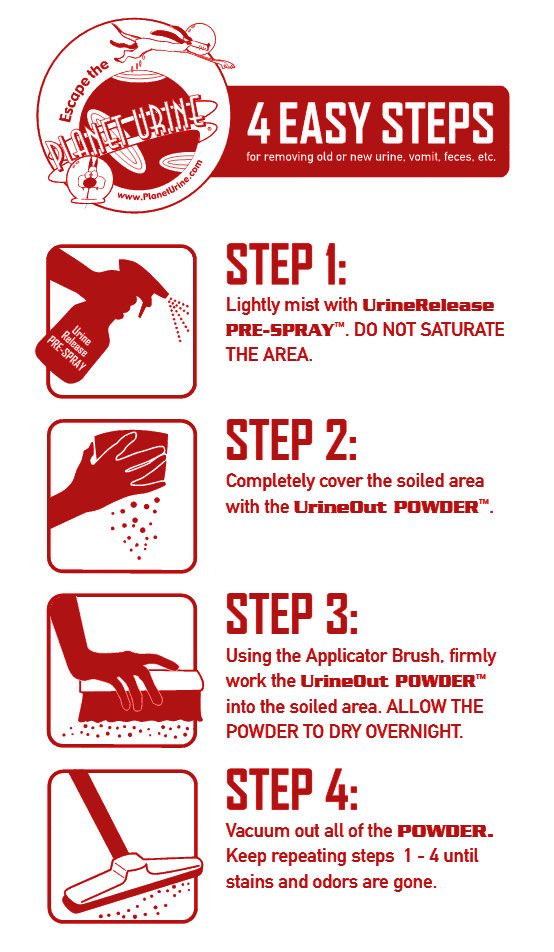
Image Source: www.planeturine.com
The Science Behind the Stench: Why Cat Urine Lingers
To effectively combat cat urine smell, it’s helpful to understand why it’s so tenacious. Cat urine contains urea, urochrome, and uric acid. While urea and urochrome are water-soluble and can be rinsed away, uric acid crystals are not easily dissolved. These crystals are the primary culprits behind the lingering odor, especially in humid conditions, as they reactivate and release that pungent smell. Leather, with its porous nature, readily absorbs these crystals, making odor removal a challenge.
Immediate Action: Your First Line of Defense
When you discover a cat urine spot on your leather, immediate action is crucial. The longer the urine sits, the deeper it will penetrate the leather and the harder it will be to remove.
Blot, Don’t Rub
- Step 1: Grab clean, absorbent cloths or paper towels.
- Step 2: Gently blot the affected area to absorb as much of the fresh urine as possible.
- Step 3: Avoid rubbing, as this can push the urine deeper into the leather fibers and spread the stain.
Specialized Solutions for Cat Urine Odor
Once you’ve absorbed the excess moisture, it’s time to bring out the heavy hitters. When dealing with cat pee smell, you need products designed to neutralize the uric acid crystals, not just mask the odor.
Enzyme Cleaners: The Gold Standard
Enzyme cleaners are highly recommended for pet odor removal because they contain biological enzymes that literally “eat” away the organic matter causing the odor.
- How they work: The enzymes break down the uric acid crystals into odorless components like carbon dioxide and water.
- Application:
- Choose a quality enzyme cleaner: Look for one specifically formulated for pet stains and odors. Many reputable brands offer excellent options.
- Test in an inconspicuous area: Before applying to the main stain, test the cleaner on a hidden spot of the leather to ensure it doesn’t cause discoloration or damage.
- Saturate the area: Apply the enzyme cleaner generously to the affected area, ensuring it reaches as deep as the urine did.
- Allow to dwell: Follow the product instructions for dwell time. This is crucial for the enzymes to work effectively. It can range from a few minutes to several hours.
- Blot dry: After the dwell time, blot the area with a clean cloth.
- Air dry: Let the leather air dry completely. Avoid using heat, as this can set any remaining odor.
- Repeat if necessary: For stubborn odors, you may need to repeat the process.
The Power of Vinegar (with Caution)
Vinegar can be effective for neutralizing odors due to its acidity. However, it’s essential to use it correctly on leather to avoid damage.
- Why it works: The acetic acid in vinegar helps to break down the alkaline salts in urine that cause odor.
- How to use vinegar for leather:
- Dilute the vinegar: Mix equal parts white vinegar and cool water in a spray bottle. Never use undiluted vinegar on leather.
- Test for colorfastness: As with enzyme cleaners, test this solution in an inconspicuous area first.
- Lightly mist the area: Spray the diluted vinegar solution lightly onto the stained area. Do not saturate the leather.
- Blot gently: Use a clean cloth to gently blot the area.
- Wipe with a damp cloth: Once the vinegar has had a moment to work, wipe the area with a cloth dampened with plain cool water.
- Dry thoroughly: Pat the leather dry with a clean towel and allow it to air dry completely.
- Follow with a leather conditioner: After the leather is dry, it’s essential to apply a good quality leather conditioner to restore moisture and prevent the leather from drying out or cracking.
Baking Soda: A Natural Odor Absorber
Baking soda is a fantastic natural deodorizer that can help absorb lingering smells.
- How it works: Baking soda absorbs moisture and neutralizes odors by creating a chemical reaction that converts acidic and alkaline molecules into odorless ones.
- Application:
- Ensure the area is dry: After initial blotting or cleaning, make sure the leather is dry to the touch.
- Sprinkle baking soda: Lightly sprinkle a generous amount of baking soda over the affected area.
- Let it sit: Allow the baking soda to sit for several hours, or even overnight. The longer it sits, the more odor it can absorb.
- Vacuum it up: Use a soft brush attachment on your vacuum cleaner to gently remove the baking soda.
- Wipe clean: You can then wipe the area with a slightly damp cloth.
- Repeat if needed: For persistent odors, you can repeat this process.
Choosing the Right Leather Cleaner
Selecting the correct leather cleaner is paramount. Not all cleaners are created equal, and using the wrong product can cause irreparable damage.
Types of Leather Cleaners
- pH-neutral cleaners: These are generally the safest for most types of leather as they are designed to clean without altering the leather’s natural pH balance.
- Specialized leather cleaners for pet stains: Some brands offer leather cleaners specifically formulated to tackle pet accidents, often combining cleaning agents with mild deodorizers.
- Avoid harsh chemicals: Never use ammonia-based cleaners, bleach, or abrasive scrubbers, as these will damage the leather.
How to Use a General Leather Cleaner for Cat Urine
If you don’t have a specific pet odor remover for leather, a high-quality leather cleaner can be used as part of the overall cleaning process.
- Identify your leather type: Different leather finishes (aniline, semi-aniline, pigmented, suede, nubuck) require different care. Always check the manufacturer’s recommendations.
- Test first: Apply a small amount of the cleaner to an inconspicuous area.
- Apply with a soft cloth: Dampen a clean, soft cloth with the leather cleaner.
- Wipe gently: Wipe the stained area in a circular motion.
- Buff dry: Use a separate dry, soft cloth to buff the area dry.
- Follow with conditioning: Always condition your leather after cleaning to keep it supple.
Dealing with Stubborn Odors
Sometimes, a single treatment isn’t enough. If the cat pee smell persists, here are more advanced strategies.
Odor Eliminating Sprays
Certain odor eliminating sprays are designed to break down odor molecules in the air and on surfaces. When choosing one for leather, ensure it’s safe for leather and doesn’t just mask the scent.
- Look for “enzyme-based” or “odor neutralizer” on the label.
- Test before full application.
- Apply lightly and allow to air dry.
Professional Cleaning
If you’ve tried multiple methods and the odor remains, or if you’re dealing with delicate or antique leather, consider professional leather cleaning services. They have specialized equipment and knowledge to tackle tough stains and odors without damaging the material.
Specific Leather Types and Their Challenges
The type of leather you have will influence the best cleaning approach.
Finished/Protected Leather
This is the most common type of leather found in furniture and car interiors. It has a protective coating that makes it more resistant to stains and easier to clean.
- Best for: Enzyme cleaners, diluted vinegar solutions (with careful testing), and specialized leather cleaners for pet stains.
Unfinished/Aniline/Full Grain Leather
This type of leather is dyed but has no protective topcoat, making it highly absorbent and sensitive to cleaning products.
- Best for: This is where extreme caution is needed. Enzymatic cleaners are often the safest bet, but always test extensively in a hidden area. Blotting fresh urine is crucial. For dried stains, professional advice might be best. Avoid vinegar on aniline leather.
Suede and Nubuck
These leathers have a napped finish and are extremely delicate and absorbent.
- Best for: For fresh accidents, blot thoroughly with absorbent cloths. For dried stains and odors, use specialized suede or nubuck cleaners and brushes. Never use water, vinegar, or standard leather cleaners on suede or nubuck. A dedicated suede eraser or a specialized suede cleaner is often the only safe option.
Prevention is Key: Keeping Cats from Urinating on Leather
While cleaning is essential, preventing future accidents is equally important.
Address the Root Cause
- Litter box hygiene: Ensure the litter box is cleaned daily and that the type of litter is suitable for your cat.
- Number of litter boxes: The general rule is one litter box per cat, plus one extra.
- Litter box location: Place litter boxes in quiet, accessible locations.
- Cat’s health: Sudden changes in litter box habits can indicate a urinary tract infection or other health issues. Consult your veterinarian.
- Stress and anxiety: Changes in the household, new pets, or separation anxiety can lead to behavioral issues.
Deterrents for Leather Furniture
- Covering furniture: Use throws or furniture covers to protect your leather from accidents.
- Scent deterrents: Cats dislike certain scents. You can try commercial deterrent sprays or natural options like citrus peels (though be cautious with oils on leather). Always test these in a hidden area first.
- Aluminum foil: Some cats dislike the texture and sound of aluminum foil, which can deter them from a specific spot.
Frequently Asked Questions (FAQ)
Q: How quickly should I clean cat urine from leather?
A: Immediately! The sooner you can blot up the fresh urine, the less likely it is to soak into the leather and leave a lasting odor.
Q: Can I use a regular upholstery cleaner on my leather sofa?
A: It depends on the upholstery cleaner. Many general upholstery cleaners contain chemicals that can damage leather. Always check the label to ensure it’s safe for leather, and perform a patch test in an inconspicuous area first. It’s generally safer to use products specifically designed for leather or for pet odor removal on leather.
Q: Will vinegar damage my leather furniture?
A: Undiluted vinegar can dry out and damage leather. If you choose to use vinegar, always dilute it with water (50/50 mix) and test it on a hidden spot. Follow up with a good leather conditioner. For delicate leathers like aniline or suede, it’s best to avoid vinegar altogether.
Q: What is the best enzyme cleaner for cat urine on leather?
A: There are many effective enzyme cleaners available. Look for brands that are specifically formulated for pet stains and odors. Some highly-rated options often include Rocco & Roxie Supply Co. Stain & Odor Eliminator, Nature’s Miracle Advanced Stain and Odor Remover, or Simple Solution Hard Odor Eliminator. Always read reviews and product descriptions carefully.
Q: How do I know if my leather is protected or unprotected?
A: Protected leather typically has a uniform color and a slight sheen. Unprotected (aniline or semi-aniline) leather often has a more natural, varied look, can feel softer, and may show natural markings more prominently. If in doubt, consult the furniture manufacturer or a leather care specialist.
Q: Can I use baking soda and vinegar together on leather?
A: It’s generally not recommended to mix baking soda and vinegar directly on leather. While they neutralize each other, using them in sequence can be effective. For instance, you might use a diluted vinegar solution followed by a baking soda treatment after drying. However, always prioritize testing any combination on a hidden area first.
Q: My leather still smells after cleaning. What else can I do?
A: If the smell persists, it may mean the urine has penetrated deeply or that the odor-causing compounds haven’t been fully neutralized. You might need to repeat the enzyme cleaner treatment, leave baking soda on for an extended period, or consider professional cleaning services for severe cases. Ensure you are using an effective pet odor remover that targets uric acid.
Conclusion
Getting cat urine smell out of leather is a battle that can be won with the right approach. Prompt action, careful selection of cleaning products, and a thorough understanding of your leather type are your best allies. By prioritizing enzyme cleaners, employing gentle blotting techniques, and following up with appropriate conditioning, you can effectively banish unpleasant odors and preserve the beauty and integrity of your leather belongings. Remember, consistency and patience are key to achieving a truly odor-free result.