
Can I get a cat specifically for pest control? Yes, you absolutely can get a cat for pest control, and many cats have a natural instinct for hunting rodents. These cats are often referred to as “mouser cats” or “pest control cats” and can be an effective and natural way to manage mice and other small pests in your home or property.
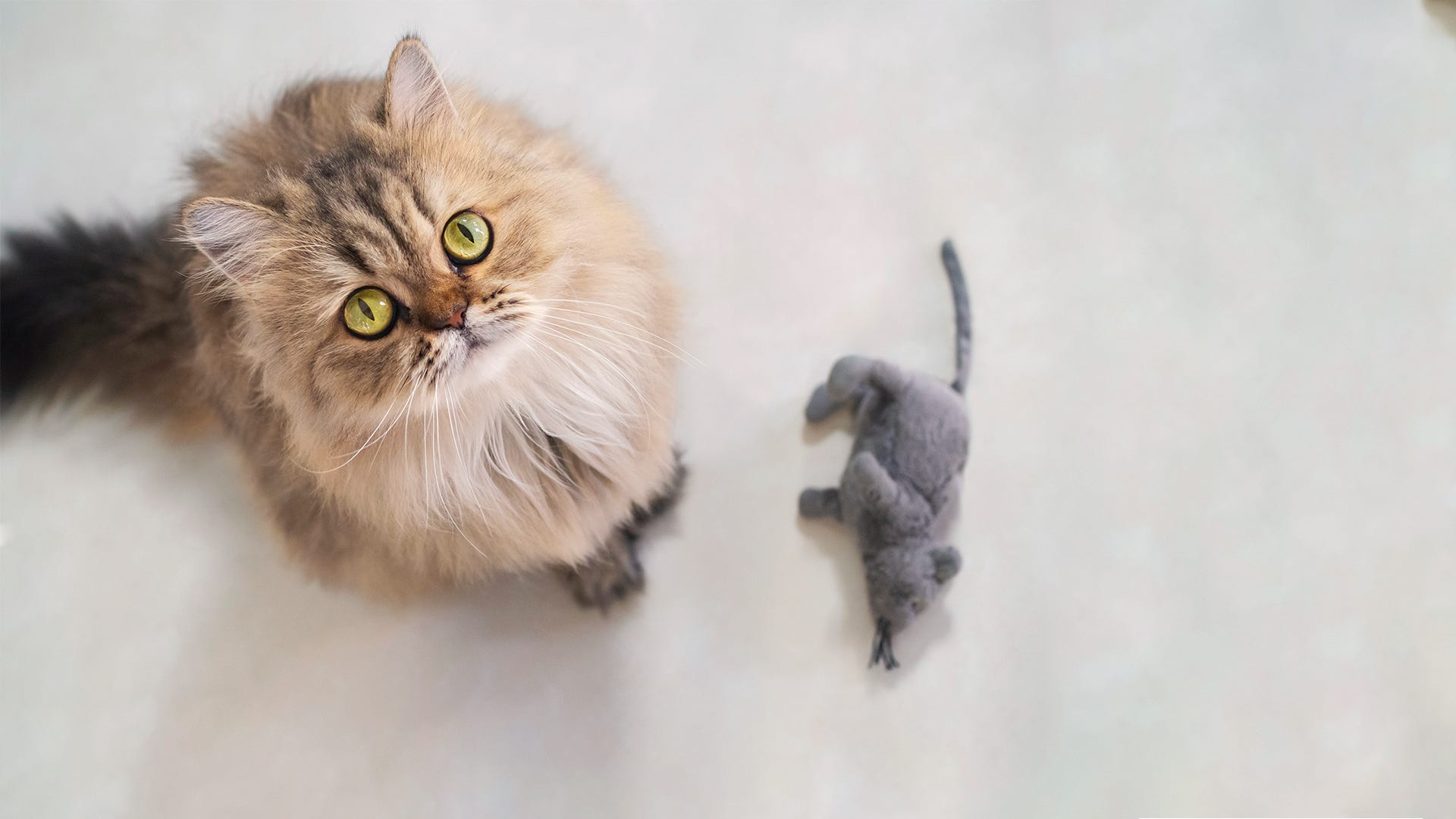
Image Source: www.victorpest.com
Why a Mouser Cat is a Great Choice for Pest Control
Are you tired of dealing with tiny invaders like mice and voles making your home their own? While traps and sprays offer solutions, there’s a more natural, charming, and effective method: bringing in a mouser cat! Cats have been our companions for thousands of years, and their hunting prowess is a well-known trait. A dedicated mouser can significantly reduce or eliminate rodent populations, offering a satisfying and eco-friendly approach to pest control. This guide will walk you through everything you need to know to acquire and care for your very own pest control cat.
Deciphering the Mouser Instinct: What Makes a Good Hunter?
Not all cats are created equal when it comes to pest control. While many domestic cats possess a natural hunting drive, some breeds and individuals are particularly suited for the job. This instinct is a combination of genetics, early life experiences, and ongoing stimulation.
Cat Breeds Known for Hunting Prowess
While any cat can be a decent mouser, certain breeds are often cited for their keen senses, agility, and persistent nature. These traits make them particularly effective rodent hunters.
- American Shorthair: Known for their robust build and good health, American Shorthairs often have a strong hunting instinct. They are adaptable and can thrive in various environments, making them excellent farm cat or barn cat candidates.
- Japanese Bobtail: These cats are lively, intelligent, and have a playful nature that often translates into excellent hunting skills. Their agility and quick reflexes make them adept at catching elusive prey.
- Manx: Famous for their lack of a tail, Manx cats are also renowned for their hunting abilities. They are often described as dog-like in their loyalty and are persistent hunters.
- Siamese: While often associated with their vocal nature and striking looks, Siamese cats are also intelligent and possess a high prey drive. They can be quite effective at dispatching pests.
- Turkish Angora: Graceful and active, Turkish Angoras are known for their intelligence and playful hunting behaviors. They are alert and can quickly react to movement.
- Maine Coon: Despite their large size, Maine Coons are agile hunters with a strong instinct. Their endurance and patience can make them very successful rodent controllers.
It’s important to remember that individual personality plays a huge role. A cat from a less traditionally “hunting” breed might be a fantastic mouser, while some from the list above might be more inclined to nap!
The Influence of Environment and Upbringing
A cat’s environment and how it was raised significantly impact its mousing skills.
- Early Exposure: Kittens who grow up in environments where they see their mother or other cats hunt are more likely to develop and hone their own skills. This is especially true for feral cat mouser populations or those living on farms.
- Availability of Prey: Cats that have had opportunities to practice their hunting skills from a young age tend to be more proficient. This doesn’t mean you should encourage hunting live prey indoors if you have a pet cat, but rather that early exposure to instinctual behaviors is beneficial.
- Stimulation: Even indoor cats can maintain their hunting drive with appropriate toys and interactive play. Mimicking prey movements with feather wands or laser pointers can keep their instincts sharp.
Where to Find Your Perfect Mouser Cat
Acquiring a mouser cat can be a rewarding experience, and there are several avenues to explore. The best option for you will depend on your preferences and what’s available in your area.
Adopting a Mouser from a Shelter or Rescue
Shelters and rescue organizations are often overflowing with cats looking for loving homes. Many of these cats, especially those who may have lived outdoors or had less pampered lives, can be excellent mousers.
- Look for Adult Cats: Adult cats often have established personalities, and you might be able to gauge their hunting inclination. Many shelters know which cats show interest in chasing toys or have a higher prey drive.
- Inquire About “Barn Cat” Programs: Many animal welfare groups have specific programs for “barn cat” or “working cat” adoptions. These cats are typically older, feral, or semi-feral, and are looking for a home with a barn, shed, garage, or other suitable outdoor space where they can provide natural pest control. They are usually spayed/neutered, vaccinated, and ear-tipped.
- Observe Behavior: When visiting a shelter, watch how cats interact with their environment. Do they stalk toys? Are they alert and curious? These can be good indicators of a mouser’s potential.
Seeking a Barn Cat or Farm Cat
For those with agricultural properties or larger outdoor spaces, a dedicated barn cat or farm cat can be a fantastic solution. These cats are often best suited for environments where they can roam freely and utilize their natural hunting abilities.
- Local Farms and Barns: Sometimes, farmers or individuals with barns might have litters of kittens or adult cats that need rehoming. These cats are often already accustomed to outdoor living and may have a strong mousing instinct.
- Rescue Organizations: As mentioned, many rescues specifically place cats in barn or farm environments. These cats are often socialized enough to be handled but prefer a less hands-on lifestyle and a job to do.
Considering a Mouser Kitten
If you’re looking to raise a mouser from a young age, a mouser kitten can be a great choice. Raising a kitten allows you to socialize them and guide their development, though their ultimate mousing prowess will still depend on genetics and early experiences.
- From Reputable Breeders: If you opt for a specific breed known for hunting, research reputable breeders who prioritize health and temperament.
- From Shelters/Rescues: Many kittens in shelters are also potential mousers. Early socialization and providing opportunities to play with hunting-style toys can help encourage their natural instincts.
Training Your Mouser Cat: Nurturing the Natural Hunter
While many cats have a natural inclination to hunt, a little “training” or rather, nurturing their instincts, can go a long way in making them an effective pest control cat. This isn’t about traditional obedience training, but rather encouraging and rewarding their natural behaviors.
Encouraging Play and Instincts
- Interactive Play: Engage your cat in daily play sessions using toys that mimic prey. Feather wands, laser pointers (used responsibly), and small toys they can “catch” are excellent. This sharpens their hunting skills, reflexes, and overall fitness.
- Puzzle Feeders: For feeding times, consider puzzle feeders. These make your cat “work” for their food, engaging their problem-solving and hunting instincts.
- Variety of Toys: Offer a diverse range of toys that appeal to different senses – crinkle balls, plush mice, balls with bells. Rotate toys regularly to keep them interesting.
The Role of Socialization
Proper socialization is crucial, especially if you’re bringing a kitten into your home or adopting a cat that may have been feral.
- Gentle Handling: Handle your kitten or young cat frequently, getting them used to your touch and presence. This builds trust and makes them more amenable to living in a human environment.
- Positive Associations: Associate your presence with positive experiences like feeding, playing, and gentle petting.
- Gradual Introduction to New Environments: If you are adopting a barn cat or feral cat mouser, introduce them to their new environment gradually. Provide a safe, quiet space with food, water, and a litter box initially, allowing them to acclimate before letting them explore their wider territory.
What About “Training” Them to Hunt?
It’s important to distinguish between encouraging natural hunting instincts and trying to “train” a cat to hunt specific prey. Most cats, especially those with a strong prey drive, will naturally hunt if given the opportunity and the instinct is present.
- Do Not Force Prey: Never force a cat to interact with or hunt live prey. This can be stressful for both the cat and the prey.
- Observe and Reward: Observe your cat’s natural hunting behaviors during play. When they successfully “catch” a toy, offer praise or a small treat. This reinforces the desired behavior.
- For Barn Cats: For barn cats or farm cats placed in outdoor environments, their natural hunting instincts will typically emerge as they become comfortable and explore their territory. Providing them with a safe haven and resources will allow their instincts to take over.
Caring for Your Mouser Cat: More Than Just Pest Control
A mouser cat is still a pet, and like all pets, they require love, care, and attention to thrive. Their role as a pest control cat doesn’t negate their need for a good life.
Essential Needs of Any Cat
- Nutrition: Provide a high-quality diet appropriate for their age and activity level. If they are primarily outdoor cats, they may need more calories.
- Water: Always ensure fresh, clean water is available.
- Shelter: Even outdoor cats need protection from the elements. This can be a cozy, insulated shelter in a barn or shed.
- Veterinary Care: Regular check-ups, vaccinations, and parasite control are essential. Spaying or neutering is also crucial, especially for outdoor cats, to prevent unwanted litters and reduce behavioral issues.
- Litter Box: If your mouser spends time indoors, a clean litter box is a must.
- Grooming: While cats are self-grooming, regular brushing can help reduce shedding and prevent hairballs, especially for long-haired breeds.
Special Considerations for Outdoor or Barn Cats
- Safe Haven: Ensure they have a dry, draft-free shelter with comfortable bedding. Elevated surfaces can provide a sense of security.
- Food and Water: While they hunt, they still need supplemental food and water, especially during harsh weather or if prey is scarce. Place food and water away from their “kill zone” to avoid contamination.
- Protection: Protect them from extreme weather, predators, and poisons.
- Socialization: Even barn cats benefit from some socialization with humans. Gentle interaction can make them easier to manage for vet care and ensure they are comfortable around people.
Identifying the Best Mousers: What to Look For
When selecting a cat for pest control, you’ll want to identify certain traits that indicate a strong mousing ability.
Key Traits of a Good Mouser
- High Prey Drive: This is the most critical factor. A cat with a high prey drive will actively stalk, chase, and pounce on small moving objects.
- Curiosity and Alertness: A good mouser is aware of its surroundings and curious about noises and movements.
- Agility and Speed: The ability to move quickly and navigate tight spaces is essential for catching elusive prey.
- Patience and Persistence: Some hunts require patience. A good mouser won’t give up easily.
- Independence: While some cats are cuddly, many of the best mousers are also independent and content to patrol their territory.
Observing Behavior Before Adoption
- Playtime Assessment: When interacting with a cat at a shelter or breeder, observe how they play. Do they get excited by moving toys? Do they stalk and pounce?
- Reaction to Movement: A cat that follows a moving object with its eyes or body, even if it doesn’t actively chase, shows potential.
- Calmness vs. Skittishness: While some nervousness is expected, especially in formerly feral cats, extreme skittishness might make them less effective hunters as they might be too fearful to explore their territory thoroughly.
Common Questions About Mouser Cats
FAQ Section
Q1: Will my mouser cat catch and bring me mice as “gifts”?
A: Yes, it’s common for cats, especially those with strong hunting instincts, to present their prey (or toys that resemble prey) to their owners. This is often seen as a sign of affection or an attempt to “teach” their human how to hunt.
Q2: Is it safe for my mouser cat to eat mice?
A: While cats are biologically equipped to digest small prey, there are risks. Mice can carry parasites or diseases that can be transmitted to cats. Regular deworming and flea/tick prevention are crucial for any cat that hunts, especially outdoor cats. It’s also wise to discuss your cat’s hunting habits with your veterinarian.
Q3: Can I keep an indoor cat and still expect it to be a good mouser?
A: An indoor cat can certainly maintain its mousing instincts through play and stimulation. However, its opportunities to practice hunting are limited. If you have a serious pest problem indoors, an outdoor or barn cat might be more effective. An indoor-only cat can still be a deterrent by its presence alone, as mice may avoid areas where they sense a predator.
Q4: How long does it take for a mouser cat to become effective?
A: This varies greatly depending on the cat’s age, experience, and individual drive. Kittens will learn and develop their skills as they grow. Adult cats who are already experienced hunters might be effective immediately. Others may take a few weeks or months to adjust to a new environment and start actively hunting.
Q5: Are there any downsides to having a mouser cat?
A: Potential downsides include the need for extra veterinary care (parasites), the possibility of them bringing in dead prey, and the fact that they are still animals with needs for care, attention, and shelter. For barn cats, ensuring they have adequate shelter and supplemental food is important.
Q6: How can I tell if a cat has a strong mousing instinct?
A: Look for a cat that is attentive to small movements, enjoys chasing toys, pounces readily, and seems naturally curious about its environment. Shelters may be able to identify cats with a higher prey drive.
Q7: What is the difference between a pet cat and a barn cat?
A: A barn cat is typically an outdoor or semi-feral cat that lives in a barn, shed, or similar structure and relies on its hunting skills for pest control. While they may be friendly, they often prefer an independent lifestyle and less direct human interaction compared to a typical house pet.
Conclusion: A Furry Friend for a Pest-Free Home
Bringing a mouser cat into your life can offer a unique and rewarding form of pest control. Whether you’re adopting a playful kitten, a seasoned barn cat, or a shelter cat with a hidden talent, these feline hunters can be an invaluable asset. By providing them with the right care, environment, and a little encouragement for their natural instincts, you can enjoy the companionship of a cat while benefiting from their ancient and effective pest control services. Remember that a happy, healthy cat, regardless of its mousing duties, is the most fulfilling companion.