
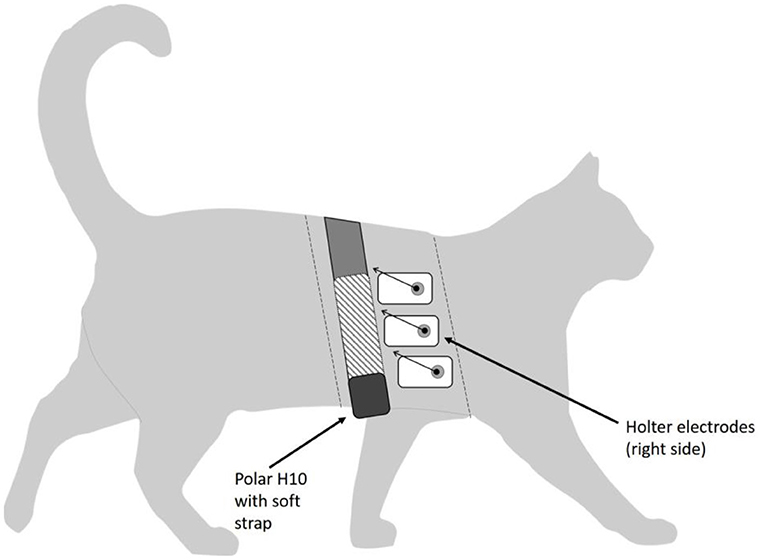
Image Source: www.frontiersin.org
How To Check Cat Heart Rate Safely at Home
Can you check your cat’s heart rate at home? Yes, you absolutely can check your cat’s heart rate safely at home with a little practice and patience. This guide will walk you through the process, explain what a normal cat heart rate normal range is, and what to do if you notice anything unusual. Knowing how to monitor your feline friend’s vital signs is a powerful tool in keeping them healthy and identifying potential problems early.
Why Monitoring Your Cat’s Heart Rate Matters
Your cat’s heart is a vital organ that pumps blood throughout their body, delivering oxygen and nutrients. Just like in humans, a cat’s heart rate can tell us a lot about their overall health and emotional state. An elevated heart rate might indicate excitement, stress, pain, or a medical condition. Conversely, a slowed heart rate could also signal an underlying issue. By learning how to check cat heart rate, you are adding another layer to your pet health monitoring toolkit, allowing you to be a more informed and proactive caregiver.
Deciphering the Feline Heart Rate Normal Range
It’s crucial to know what’s considered normal for your cat. The cat heart rate normal range can vary based on age, activity level, and even their mood at the moment of measurement.
- Adult Cats: Typically fall between 120 to 200 beats per minute (bpm).
- Kittens: Have a higher heart rate, often ranging from 200 to 250 bpm due to their faster metabolism.
- During Sleep or Rest: A healthy cat’s heart rate can drop significantly, sometimes as low as 80 bpm.
- During Excitement or Stress: It can climb well above 200 bpm.
A feline heart rate chart would be helpful, but remember these are general guidelines. If your cat is consistently outside these ranges, especially when calm, it’s worth discussing with your veterinarian.
Methods for Checking Your Cat’s Pulse
There are a couple of primary ways to check your cat’s pulse. Both involve feeling for the rhythmic beat of blood flow.
1. Checking the Femoral Artery (Groin Area)
This is the most common and reliable method for checking cat pulse. The femoral artery is located in the inner thigh, near the groin.
Steps:
- Find a Calm Setting: Choose a quiet time when your cat is relaxed, perhaps resting on your lap. Avoid times when they are playing or anxious.
- Locate the Artery: Gently place your index and middle fingers on the inside of your cat’s hind leg, high up in the groin area. You’ll be feeling for a slightly firm cord-like structure.
- Apply Gentle Pressure: You don’t need to press hard. Just enough to feel the pulse beneath the skin.
- Count the Beats: Once you feel the pulse, start your stopwatch or count mentally. Count the number of beats you feel for 15 seconds.
- Calculate the Rate: Multiply the number of beats by four to get the beats per minute (bpm).
Example: If you count 45 beats in 15 seconds, your cat’s heart rate is 45 x 4 = 180 bpm.
- Repeat for Accuracy: It’s a good idea to repeat the measurement a couple of times to ensure you’re getting an accurate reading.
2. Feeling the Heartbeat Directly (Chest Area)
You can also feel your cat’s heartbeat directly through their chest wall. This is easier with cats who have a thinner coat or less body fat.
Steps:
- Position Your Cat: Have your cat lying down comfortably, either on your lap or beside you.
- Locate the Heart: Place your hand gently on the left side of your cat’s chest, just behind their front leg, in the area where the elbow would touch the chest when they are standing.
- Feel for the Beat: You should be able to feel a rhythmic thump with your palm or fingers.
- Count the Beats: Similar to the femoral artery method, count the beats for 15 seconds and multiply by four for the bpm.
Important Considerations for Both Methods:
- Be Gentle: Always be gentle. Cats can be sensitive, and rough handling will stress them out, affecting their heart rate.
- Don’t Use Your Thumb: Your thumb has its own pulse, which can interfere with your ability to accurately count your cat’s pulse.
- Practice Makes Perfect: It might take a few tries to get the hang of it. Don’t get discouraged if it’s difficult at first.
Recognizing Signs of Abnormal Heart Rhythms
While knowing the cat heart rate normal range is important, it’s also vital to recognize potential issues like cat bradycardia (slow heart rate) and cat tachycardia (fast heart rate).
Cat Bradycardia (Slow Heart Rate)
A heart rate consistently below the normal resting range (e.g., below 80 bpm in a resting adult cat) could indicate bradycardia. This can be caused by:
- Certain Medications: Some drugs used to treat heart conditions can slow the heart rate.
- Electrolyte Imbalances: Issues with potassium, calcium, or magnesium levels.
- Hypothyroidism: An underactive thyroid gland.
- Heart Disease: Conditions that affect the heart’s electrical system.
- Hypothermia: Being too cold.
Signs to Watch For:
- Lethargy or weakness
- Fainting or collapse
- Cold extremities (ears, paws)
- Pale gums
Cat Tachycardia (Fast Heart Rate)
A heart rate consistently above the normal range when the cat is calm (e.g., above 200 bpm) might be a sign of tachycardia. This can be caused by:
- Pain or Stress: Your cat is feeling unwell or anxious.
- Anemia: A low red blood cell count means the heart has to work harder to circulate oxygen.
- Hyperthyroidism: An overactive thyroid gland, common in older cats.
- Heart Disease: Conditions that cause the heart to beat too fast.
- Fever: An elevated body temperature.
- Dehydration: Lack of sufficient fluids.
Signs to Watch For:
- Restlessness or agitation
- Panting (unusual in cats)
- Weakness
- Difficulty breathing
Other Important Cat Vital Signs to Monitor
Checking your cat’s heart rate is just one piece of the puzzle in pet health monitoring. Here are a few other cat vital signs that are helpful to know:
How to Take Cat Temperature
Knowing how to take cat temperature is also crucial for spotting illness.
Normal Range: A cat’s normal body temperature is between 100.5°F and 102.5°F (38.1°C to 39.2°C).
Method (Rectal Thermometer):
- Use a Digital Thermometer: Preferably one specifically for pet use, or a dedicated human digital thermometer.
- Lubricate the Tip: Apply a small amount of petroleum jelly or a water-based lubricant to the tip of the thermometer.
- Gently Insert: Have someone gently hold your cat, or secure them calmly. Gently insert about half an inch to an inch of the lubricated thermometer into the rectum.
- Hold in Place: Keep the thermometer in place until it beeps or indicates the reading is complete.
- Record the Temperature: Note the temperature and the time.
Important: If your cat resists strongly, do not force it, as this can cause injury. You can also try an ear thermometer, but these can sometimes be less accurate in pets.
Checking Gum Color
Healthy cat gums are typically a nice shade of pink.
- Pale Gums: Can indicate anemia or shock.
- White Gums: A very serious sign, often related to severe blood loss or shock.
- Bluish or Greyish Gums: Suggest a lack of oxygen.
- Bright Red Gums: Can indicate overheating or carbon monoxide poisoning.
To check, gently lift your cat’s lip and observe the color of their gums.
Respiratory Rate
While not as direct as checking cat pulse, observing their breathing can provide clues.
Normal Range: A resting cat breathes about 20 to 30 times per minute.
- Fast Breathing (Tachypnea): Can be a sign of anxiety, pain, heart problems, or respiratory issues.
- Difficulty Breathing (Dyspnea): Is always an emergency. Look for open-mouth breathing, flared nostrils, or audible wheezing.
When to Seek Veterinary Advice
It’s important to know when to call your veterinarian. Don’t hesitate to reach out if you notice any of the following:
- Your cat’s resting heart rate is consistently above 220 bpm or below 100 bpm.
- You observe any signs of lethargy, weakness, or collapse.
- Your cat exhibits pale, white, or bluish gums.
- You notice any difficulty breathing.
- You have concerns about your cat’s general health or behavior.
- You are unsure about how to interpret the readings you are getting.
Your vet can perform a thorough examination, including listening to your cat’s heart with a stethoscope and potentially recommending diagnostic tests like an electrocardiogram (ECG) or blood work. They can also discuss cat blood pressure monitoring if they suspect hypertension, which is another important aspect of feline health.
Frequently Asked Questions (FAQ)
Q1: How often should I check my cat’s heart rate?
A1: You don’t need to check it daily unless your veterinarian has advised you to do so for a specific health reason. However, it’s good to be familiar with what’s normal for your cat. Checking it occasionally when they are calm can help you establish a baseline and notice any changes more easily.
Q2: Can my cat’s heart rate change if they are scared?
A2: Absolutely. Fear, stress, and excitement are all significant factors that can temporarily increase your cat’s heart rate. This is why it’s best to check their heart rate when they are relaxed and calm to get an accurate baseline reading.
Q3: What if I can’t feel a pulse?
A3: If you’re having trouble feeling a pulse, try a different location (femoral artery vs. chest) or try again when your cat is even more relaxed. Ensure you are using your fingertips and applying gentle pressure. If you still can’t find it after a few attempts, or if you’re concerned, contact your veterinarian.
Q4: Is it okay to check my cat’s heart rate when they are sleeping?
A4: Yes, checking your cat’s heart rate while they are in a deep sleep is an excellent time to get an accurate reading as they will be at their most relaxed. Their heart rate will likely be at the lower end of the normal range, which is perfectly fine.
Q5: My cat’s heart rate is a bit fast, but they seem fine. Should I worry?
A5: If the elevated heart rate is only temporary (e.g., they were just playing or are a bit excited), it’s usually not a concern. However, if you notice their heart rate is persistently high even when they are calm, or if you see other symptoms like lethargy or panting, it’s best to consult your veterinarian to rule out any underlying health issues.
By taking the time to learn how to check cat heart rate and monitor other key cat vital signs, you are becoming a more empowered advocate for your feline companion’s well-being. Consistent pet health monitoring can lead to earlier detection of problems, better treatment outcomes, and a longer, happier life for your beloved cat.