
What is the worth of a tortoiseshell cat? The value of a tortoiseshell cat isn’t measured in dollars and cents, but rather in the joy and companionship it brings. While their unique coloring is striking, tortoiseshell cats, being a coat pattern and not a specific breed, generally don’t have a higher purchase price than other domestic cats. Their cost is typically on par with other mixed-breed cats, influenced more by where you acquire them and their individual health and personality.
When thinking about bringing a tortoiseshell cat into your home, it’s essential to look beyond just the initial cat purchase price. The overall domestic cat cost encompasses various factors, from adoption fees and initial vet visits to ongoing care and supplies. For many, the unique charm of a tortie makes them incredibly valuable companions.
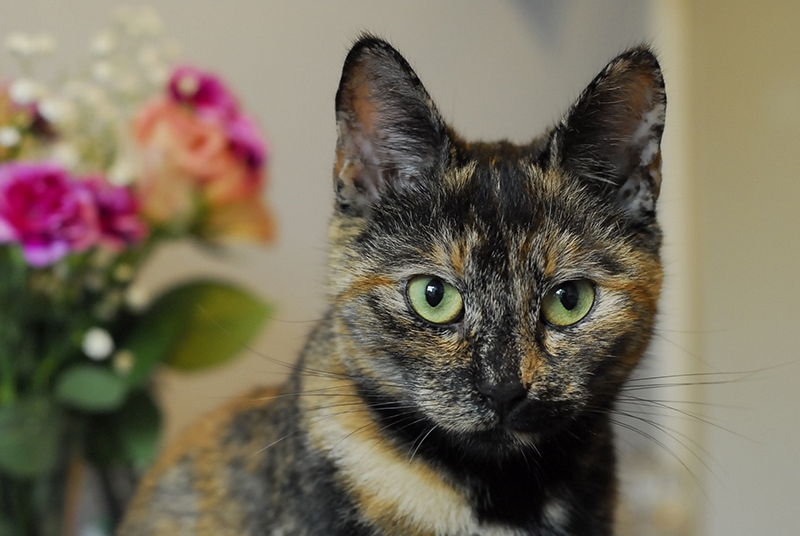
Image Source: www.hepper.com
Deciphering the Cost of Acquiring a Tortoiseshell Cat
The journey to welcoming a tortoiseshell cat into your life can start in several places, each with its own cost implications. Understanding these different avenues will help you budget effectively for your new furry friend.
Feline Adoption Fees: A Worthwhile Investment
Adopting a cat from a shelter or rescue organization is often the most economical and rewarding way to find a tortoiseshell cat. Feline adoption fees typically range from $50 to $200, depending on the organization, the cat’s age, and any included veterinary services.
- What’s Included in Adoption Fees?
- Spaying/Neutering: This essential procedure is usually covered, saving you hundreds of dollars later.
- Vaccinations: Kittens and adult cats receive age-appropriate vaccinations.
- Deworming and Flea Treatment: Basic parasite control is often administered.
- Microchipping: Many shelters microchip their cats for identification.
- Initial Vet Check-up: A basic health assessment is often part of the package.
Shelter staff can also provide valuable insights into a cat’s temperament and history, which is crucial when choosing the right companion. The tortoiseshell cat adoption process is much like adopting any other cat; it involves an application, a meet-and-greet, and an adoption counseling session.
Cat Purchase Price from Breeders vs. Rescues
While you won’t find breeders specializing in “tortoiseshell breeds” because it’s a pattern, some purebred cats can exhibit this coloration. However, if you’re specifically seeking a tortoiseshell pattern, you’re more likely to encounter them in the general cat population.
- Purebred Cats with Tortoiseshell Patterns: If a specific breed known for occasional tortoiseshell markings (like certain Oriental Shorthairs or Persians) is sought, the cat purchase price can be significantly higher. Purebred kitten price range can vary dramatically, from $500 to $3,000 or more, depending on the breed’s rarity, pedigree, and the breeder’s reputation.
- Mixed Breed Cats: Most tortoiseshell cats are mixed breeds. Acquiring a mixed-breed kitten price range from a private rehoming situation or a rescue can be considerably lower.
Cat cost comparison highlights the vast difference between acquiring a cat from a breeder versus a rescue. For a mixed-breed tortoiseshell, adoption fees are the primary initial expense.
Kitten Price Range: Factors Influencing Cost
If you happen to find a tortoiseshell kitten available for purchase from a private individual or a rescue that doesn’t charge a full adoption fee (though this is less common), the kitten price range will still be influenced by several factors:
- Age: Younger kittens generally command a slightly higher price than older cats.
- Health: A kitten with a clean bill of health and initial vet care will likely cost more upfront.
- Temperament: A particularly friendly and outgoing kitten might be perceived as more desirable.
- Location: Costs can vary slightly based on regional economic factors.
However, it’s crucial to remember that the tortoiseshell pattern itself does not inherently increase a kitten’s price. The value is in the cat as an individual.
Beyond the Purchase Price: Ongoing Pet Cat Expenses
The initial cat purchase price or adoption fee is just the beginning of your financial commitment. Effective budgeting for a pet cat expenses involves anticipating the recurring costs associated with keeping your tortoiseshell feline healthy and happy.
Veterinary Care: Essential for a Long, Healthy Life
Regular veterinary check-ups are crucial for all cats, regardless of their coat pattern.
- Annual Check-ups: These typically cost $50 to $150 and include a physical examination, vaccinations, and parasite screening.
- Vaccinations: Core vaccines like rabies and FVRCP (feline viral rhinotracheitis, calicivirus, and panleukopenia) are essential. Booster shots will be needed periodically.
- Flea, Tick, and Heartworm Prevention: Monthly preventatives can range from $15 to $30 per month.
- Dental Care: Professional dental cleanings can cost $100 to $300 or more, depending on the severity of dental issues.
- Unexpected Illnesses/Injuries: Emergency vet visits or treatments for illness or injury can be costly, potentially ranging from $200 to thousands of dollars. Pet insurance is a valuable consideration to help manage these unpredictable expenses.
Food and Nutrition: Fueling Your Tortie’s Adventures
The cost of food will depend on the quality and type of cat food you choose.
- Dry Kibble: A bag of high-quality dry kibble can cost $20 to $50 and last a month or more, depending on the cat’s size and appetite.
- Wet Food: Canned or pouch wet food is generally more expensive, costing $30 to $70 or more per month, especially if feeding multiple meals a day.
- Specialized Diets: If your tortoiseshell cat develops allergies or other health conditions requiring a prescription diet, this can increase your monthly food expenses significantly.
Grooming and Hygiene: Keeping Your Cat Clean and Comfortable
While cats are meticulous groomers themselves, some assistance may be needed, particularly for long-haired varieties or if they develop mats.
- Brushing Tools: Basic brushes and combs are a one-time purchase, typically $10 to $30.
- Nail Trimmers: Regular nail trims are important. Trimmers cost around $10 to $20.
- Cat Shampoo (if needed): Occasionally, a bath may be necessary. Cat-specific shampoo is usually $8 to $15.
- Professional Grooming: If your cat requires professional grooming due to matting or other issues, this can cost $50 to $100 per session.
Litter Box Essentials: A Daily Necessity
This is a recurring expense that many cat owners may overlook in initial budgeting.
- Cat Litter: The type and brand of litter you choose will impact cost. Clay litter is generally the least expensive, while silica gel or natural litters can be pricier. Expect to spend $15 to $30 per month on litter.
- Litter Box: A litter box is a one-time purchase, typically $15 to $50.
- Litter Scooper: Another one-time purchase, around $5 to $15.
Toys and Enrichment: Keeping Your Tortie Entertained
Mental and physical stimulation is vital for a cat’s well-being.
- Toys: A variety of toys, from interactive wand toys to puzzle feeders and simple balls, can keep your cat engaged. Budget $5 to $20 per month for new toys or replacements.
- Scratching Posts/Trees: These are essential for nail health and preventing furniture damage. They can range from $20 to $200+ depending on size and complexity.
Miscellaneous Costs: The Unexpected Expenses
Beyond the regular necessities, there are other potential costs to consider.
- Cat Bedding: Comfortable beds can range from $20 to $50.
- Carriers: Essential for vet visits and travel. A carrier costs $30 to $70.
- Pet Insurance: As mentioned, this can be a significant, though optional, expense that can save you money in the long run. Premiums vary widely but might be $20 to $50 per month.
- Pet Sitting/Boarding: If you travel, you’ll need to factor in costs for pet care, which can be $25 to $60 per day.
The Unique Appeal of Tortoiseshell Cats
While the financial aspect of owning any cat is important, the allure of a tortoiseshell cat goes beyond monetary value. Their striking coat patterns, often described as a mosaic of red, black, brown, and cream, are a natural genetic phenomenon.
The “Tortie” Coat: A Genetic Marvel
Tortoiseshell cats are predominantly female. This is because the genes for black and orange fur colors are located on the X chromosome. Since female cats have two X chromosomes (XX), they can inherit one gene for black and one for orange, resulting in the tortoiseshell pattern. Male cats, with XY chromosomes, typically only inherit one color. Male tortoiseshell cats are rare and usually sterile, often a result of a genetic anomaly (XXY chromosomes).
Calico Cat Value vs. Tortie Cat Value
It’s worth noting that the calico cat value is often discussed similarly to tortoiseshell cats. Calicos are essentially tortoiseshell cats with the addition of white patches. Like torties, both are coat patterns, not breeds. Their worth is determined by the same factors: acquisition method, health, and individual personality, not their pretty colors.
The Mixed Breed Cat Value
As most tortoiseshell cats are mixed breeds, their mixed breed cat value is generally higher in terms of companionship and resilience than any inherent monetary worth. They often benefit from “hybrid vigor,” meaning they can be less prone to certain genetic health issues that can affect purebreds.
Making the Decision: Is a Tortie Right for You?
When considering a tortoiseshell cat, the financial investment is just one part of the picture. Their personalities can be as varied as their coats. Many owners describe torties as having a distinct “tortitude” – a spunky, independent, and sometimes sassy personality.
Factors to Consider Before Adoption
- Time Commitment: Cats need daily interaction, playtime, and feeding.
- Lifestyle: Are you home often enough? Do you have other pets that might stress a new cat?
- Financial Stability: Can you afford the ongoing costs of food, vet care, and supplies?
- Allergies: While no cat is truly hypoallergenic, some people react less to certain cats. Tortoiseshell cats are no different in this regard.
The Irreplaceable Value of a Companion
Ultimately, the “worth” of a tortoiseshell cat is immeasurable. Their beauty, unique genetic makeup, and often charming personalities create a bond that enriches the lives of their human companions. The domestic cat cost, while important to manage, should not overshadow the immense joy and unconditional love a cat can bring.
Frequently Asked Questions About Tortoiseshell Cat Costs
Q1: Are tortoiseshell cats more expensive to buy than other cats?
No, tortoiseshell cats are not inherently more expensive to buy. Their cost is determined by the same factors as any other mixed-breed cat, primarily where you acquire them (shelter vs. breeder) and their individual health and age.
Q2: What is the average adoption fee for a tortoiseshell cat?
The average feline adoption fee for any cat, including a tortoiseshell, from a shelter or rescue typically ranges from $50 to $200. This fee often includes spaying/neutering, vaccinations, and microchipping.
Q3: How much does it cost to own a tortoiseshell cat per month?
Monthly pet cat expenses can vary, but a general estimate for food, litter, and basic preventative care might be between $50 to $150. This does not include unexpected veterinary bills or the cost of toys and grooming supplies.
Q4: Can I expect to find purebred tortoiseshell cats?
While the tortoiseshell pattern can appear in various purebred cat breeds, it’s not a breed itself. If you are looking for a specific breed with this coat pattern, the cat purchase price will be significantly higher, often ranging from hundreds to thousands of dollars.
Q5: What are the most significant ongoing expenses for a tortoiseshell cat?
The most significant ongoing expenses are typically veterinary care (including routine check-ups and potential emergency visits), high-quality food, and litter.
Q6: Is pet insurance worth it for a tortoiseshell cat?
Pet insurance can be a wise investment for any cat, including a tortoiseshell. It can help manage unexpected veterinary costs for illnesses or injuries, which can otherwise be very high.
Q7: How much does a tortoiseshell kitten cost from a breeder?
If you’re seeking a purebred kitten of a specific breed that can exhibit tortoiseshell markings, the kitten price range from a reputable breeder can be anywhere from $500 to $3,000 or more. However, this is for the breed, not specifically for the tortoiseshell pattern.