
Can you give a hypoglycemic cat honey? Yes, in certain emergency situations, a small amount of honey can be administered to a hypoglycemic cat to rapidly raise its blood sugar. However, this should always be done with caution and under the guidance of a veterinarian.
When your feline friend’s blood sugar levels plummet, it’s a serious situation that can be frightening for any cat owner. Hypoglycemia, or low blood sugar, in cats requires prompt recognition and appropriate action. While professional veterinary care is paramount, there are instances where a quick, accessible remedy like honey might be considered as a temporary measure. This guide delves into how much honey to give a hypoglycemic cat, when it’s appropriate, and what other crucial steps you need to take.
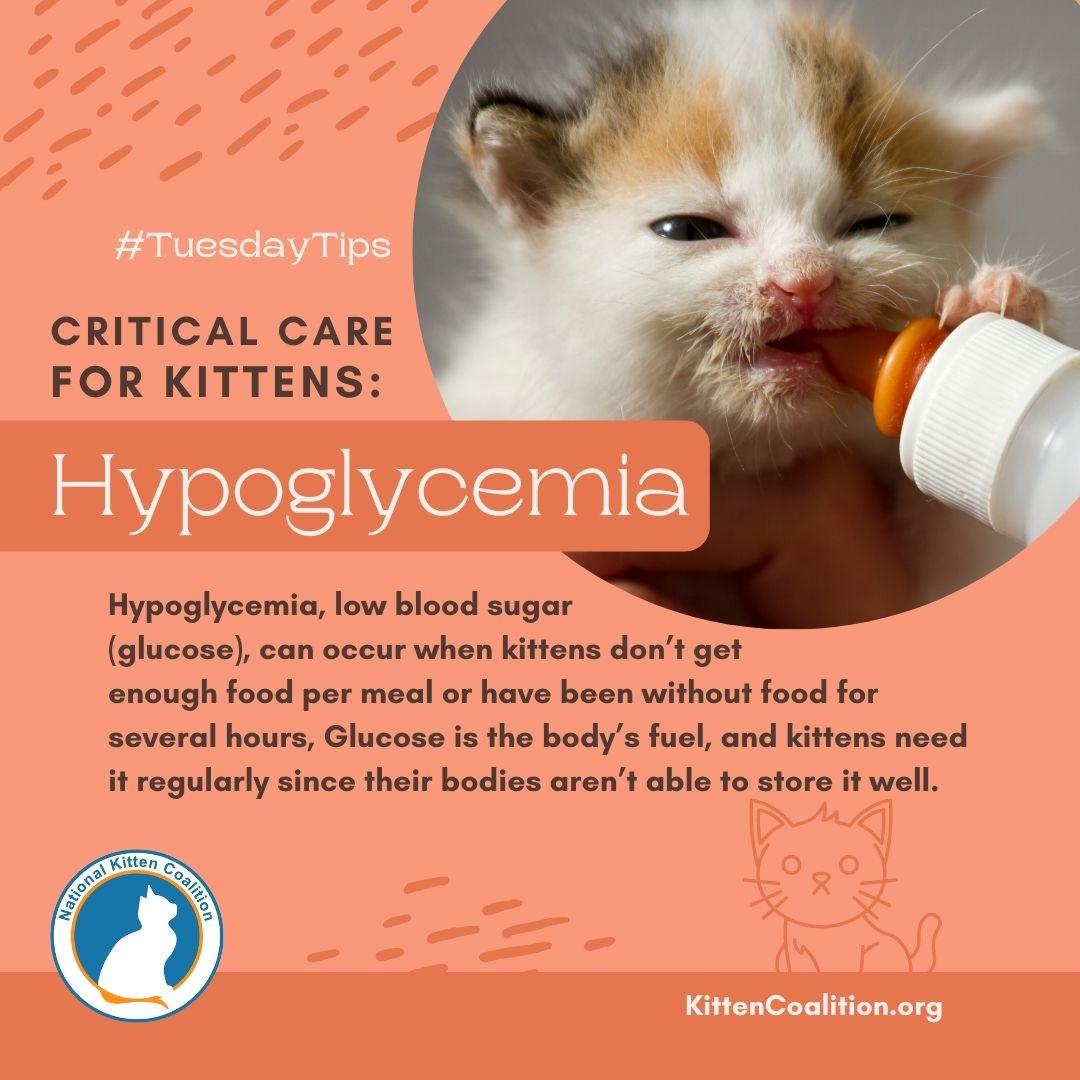
Image Source: kittencoalition.org
Recognizing the Signs of Hypoglycemia in Cats
Before you can administer any treatment, you must first be able to identify the symptoms of low blood sugar in your cat. These can range from subtle to severe, and early detection can be life-saving.
Common Symptoms to Watch For
- Weakness and Lethargy: Your cat might seem unusually tired, less active, and struggle to move around normally.
- Disorientation or Confusion: They may appear dazed, seem unsure of their surroundings, or not respond to familiar stimuli.
- Trembling or Shaking: Uncontrollable tremors, especially in the limbs, can be a sign.
- Drunken Gait: Their coordination can be affected, leading to stumbling or an unsteady walk.
- Vomiting: This can be a sign of underlying issues causing hypoglycemia.
- Increased Hunger (Initially): In some cases, the body might try to compensate by increasing appetite before severe symptoms appear.
- Seizures: In severe cases, unresponsiveness and seizures can occur.
- Collapse: The cat may suddenly become unresponsive and unable to stand.
- Pale Gums: This can indicate poor circulation.
- Rapid Heartbeat: The heart may beat faster than usual.
It’s important to note that these symptoms can also be indicative of other serious health conditions, which is why prompt veterinary assessment is vital.
Why Does Hypoglycemia Happen in Cats?
Several factors can lead to hypoglycemia in felines. Knowing these causes can help in prevention and management.
Underlying Medical Conditions
- Insulinoma: This is a tumor of the pancreas that produces too much insulin, leading to dangerously low blood sugar.
- Diabetes Mellitus (Improper Management): While diabetes involves high blood sugar, incorrect insulin dosages or timing can cause blood sugar to drop too low. This is a critical aspect of cat hypoglycemia treatment.
- Liver Disease: The liver plays a crucial role in regulating blood sugar, so impaired liver function can lead to hypoglycemia.
- Addison’s Disease (Hypoadrenocorticism): This condition affects the adrenal glands, which can impact glucose regulation.
- Certain Cancers: Some types of cancer can consume large amounts of glucose.
- Sepsis or Severe Infection: A widespread infection can disrupt the body’s metabolic processes.
Other Contributing Factors
- Starvation or Prolonged Fasting: Cats, especially kittens or those with underlying health issues, can develop hypoglycemia if they don’t eat for extended periods.
- Intense Exercise: Unusually strenuous activity without adequate caloric intake can sometimes contribute.
- Certain Medications: Some drugs can inadvertently lower blood sugar.
- Accidental Ingestion of Human Medications: Some human medications, especially those for diabetes, are highly toxic to cats and can cause severe hypoglycemia.
The Role of Honey in Feline Blood Sugar Support
Honey is a natural sugar source, primarily composed of fructose and glucose. When administered in small amounts, it can provide a rapid influx of glucose into the bloodstream, offering a temporary boost for a hypoglycemic cat. This is why it’s sometimes considered among low blood sugar cat remedies.
How Honey Works
- Rapid Absorption: The sugars in honey are easily digested and absorbed, quickly entering the bloodstream.
- Glucose Boost: This rapid absorption leads to an increase in blood glucose levels, counteracting the immediate effects of hypoglycemia.
However, it’s crucial to emphasize that honey is not a cure for the underlying cause of hypoglycemia. It is a short-term fix for a critical situation. For cats with diabetes, honey for diabetic cat management is a very tricky area and should only be considered under strict veterinary guidance, as it can destabilize their carefully managed blood sugar.
How Much Honey to Give a Hypoglycemic Cat: A Practical Approach
The amount of honey to give your hypoglycemic cat is not a one-size-fits-all answer. It depends on the cat’s size, the severity of the hypoglycemia, and the urgency of the situation.
Dosage Guidelines for Emergency Use
Important Note: This information is for emergency situations only and does not replace professional veterinary care. Always consult your veterinarian for a proper diagnosis and treatment plan.
- For a small to medium-sized cat (under 10 lbs): Start with a very small amount, roughly ¼ to ½ teaspoon of honey.
- For a larger cat (over 10 lbs): You might consider up to 1 teaspoon of honey.
Method of Administration:
- Use a Syringe: The easiest and safest way to administer honey is using a clean oral syringe (without a needle).
- Direct Application: Gently open your cat’s mouth and place the honey on the back of their tongue. This helps ensure they swallow it quickly.
- Avoid Nasal Administration: Never attempt to force the honey into your cat’s nose.
- Observe Closely: After administration, monitor your cat for signs of improvement. You should see a gradual increase in alertness and a decrease in the most severe symptoms within 15-30 minutes.
When to Use Honey for Cats
Honey should only be used in a true emergency cat hypoglycemia scenario when:
- You recognize the severe symptoms of low blood sugar.
- You cannot immediately get your cat to a veterinarian.
- Your veterinarian has previously advised you on emergency home care measures for hypoglycemia.
It is NOT advisable to give honey to your cat routinely as a dietary supplement or for general health without veterinary consultation. While honey offers natural blood sugar support cats can benefit from in emergencies, its sugars can be problematic for cats with underlying conditions like diabetes or kidney disease.
What NOT to Do When Your Cat is Hypoglycemic
It’s as important to know what not to do as it is to know what to do. Avoiding these common mistakes can prevent further harm.
- Do Not Panic: While it’s a stressful situation, staying calm will help you make better decisions.
- Do Not Force Feed if Unconscious: If your cat is unconscious or unable to swallow, do not attempt to force honey or any food into their mouth. This can lead to aspiration pneumonia.
- Do Not Over-Administer: Giving too much honey can lead to an excessive spike in blood sugar, which can also be harmful.
- Do Not Delay Veterinary Care: Honey is a temporary measure. The underlying cause of hypoglycemia must be diagnosed and treated by a veterinarian.
- Do Not Use Flavored or Artificial Honey: Only use pure, unadulterated honey.
The Importance of Veterinary Consultation
Veterinary advice hypoglycemia is indispensable. A veterinarian is the only one who can accurately diagnose the cause of your cat’s low blood sugar and provide a safe and effective treatment plan.
Why You Must See a Vet
- Diagnosis of Underlying Cause: Hypoglycemia is often a symptom of a more serious medical problem that needs to be addressed.
- Accurate Treatment Plan: The vet will determine the best course of treatment based on the diagnosis. This might involve hospitalization, IV fluids, specific medications, or dietary changes.
- Monitoring: Vets can continuously monitor your cat’s blood sugar levels to ensure they remain stable.
- Guidance on Home Care: They can provide specific instructions on how to manage your cat’s condition at home, including appropriate cat dietary supplements if needed.
Alternative and Supportive Treatments
While honey serves as an emergency stopgap, a veterinarian might recommend other cat dietary supplements or treatments for managing blood sugar levels, especially for cats with chronic conditions.
Diet and Nutrition
- Controlled Carbohydrate Diets: For some cats, especially those with diabetes, specific veterinary-prescribed diets can help manage blood sugar.
- Frequent Small Meals: Feeding your cat multiple small meals throughout the day can help maintain more stable blood sugar levels compared to one or two large meals.
Prescription Medications
- For Diabetes: Insulin therapy is common for diabetic cats. The dosage and type of insulin will be carefully prescribed.
- For Other Conditions: Medications to treat underlying diseases like Addison’s or liver disease will be necessary.
Other Supplements
Some supplements are explored for natural blood sugar support cats can utilize, but these must always be discussed with your veterinarian. They are not substitutes for proper medical treatment.
When to Use Honey for Cats: A Summary of Situations
To reiterate, the primary situation for using honey is emergency cat hypoglycemia when immediate veterinary care is not yet accessible.
- Severe Symptoms: Your cat is exhibiting significant signs of distress like collapse, seizures, or extreme weakness.
- Accessibility: You are far from a veterinary clinic or it is outside of business hours and immediate help is impossible.
- Veterinary Guidance: You have previously discussed this emergency protocol with your vet.
Honey is not a solution for mild lethargy, a poor appetite, or general well-being. For these, a vet visit is the correct first step.
What Kind of Honey is Best?
When using honey in an emergency, pure, raw, unpasteurized honey is generally considered the best choice.
Pure Honey is Key
- No Additives: Ensure the honey contains no added sugars, corn syrup, artificial flavors, or preservatives.
- Raw Honey Benefits: Raw honey retains more of its natural enzymes and beneficial compounds, though for immediate glucose delivery, the type of sugar is the primary factor.
- Avoid Honey-Related Products: Do not use honey-based candies or syrups, as these can contain ingredients harmful to cats.
A Comparative Look at Hypoglycemic Treatments
While honey offers a quick sugar boost, it’s essential to understand its place in the broader spectrum of hypoglycemia management.
| Treatment Option | Pros | Cons | Best For |
|---|---|---|---|
| Honey (Emergency) | Rapid glucose increase, readily available | Temporary, does not treat underlying cause, potential sugar spike | Immediate emergency when vet care is delayed |
| Veterinary IV Dextrose | Fast, controlled glucose delivery, monitored | Requires veterinary administration, immediate need for clinic | Severe hypoglycemia requiring hospitalization and close monitoring |
| Dietary Management | Supports stable blood sugar long-term | Not an emergency solution, requires diagnosis and specific food choices | Chronic conditions like diabetes, post-emergency recovery |
| Medications | Treats underlying causes or regulates glucose | Requires veterinary prescription and monitoring, side effects possible | Conditions like insulinoma, diabetes mellitus, Addison’s disease |
When is Honey NOT Appropriate?
- Diabetic Cats on Insulin: For cats being treated for diabetes with insulin, honey can cause a dangerous rebound effect or interact unpredictably with their medication. Always follow your vet’s specific insulin protocol.
- Cats Without Hypoglycemia: Giving honey to a healthy cat can contribute to obesity or dental problems due to its high sugar content.
- Long-Term Management: Honey is not a sustainable or healthy long-term solution for blood sugar regulation in any cat.
Case Study: A Hypothetical Scenario
Mittens, a normally active 8-year-old Siamese, suddenly becomes lethargic and unsteady on her feet. Her owner, Sarah, notices she’s trembling and her gums look pale. Sarah recalls Mittens’ history of mild kidney issues and knows she needs to act fast. She checks Mittens’ breathing and if she’s responsive enough to swallow. Seeing that Mittens is still somewhat aware, Sarah gently opens Mittens’ mouth and administers about half a teaspoon of honey from an oral syringe. She then immediately calls her veterinarian, explaining the symptoms and that she administered honey. The vet advises Sarah to continue monitoring Mittens and bring her in right away. At the clinic, Mittens is further assessed, her blood sugar is rechecked, and diagnostic tests are performed to determine if the hypoglycemia was linked to her kidney condition or another issue. Mittens is stabilized with intravenous dextrose and supportive care.
This scenario highlights the critical steps: recognition, immediate temporary support (honey), and swift professional veterinary intervention.
Frequently Asked Questions (FAQ)
What are the immediate steps if I suspect my cat has hypoglycemia?
If you suspect hypoglycemia, stay calm. Gently check your cat’s gums for color. If they are pale, or your cat is showing severe symptoms like weakness, trembling, or collapse, and you cannot get to a vet immediately, consider a small amount of honey if the cat is responsive and can swallow. However, the absolute priority is to contact your veterinarian or an emergency veterinary clinic as soon as possible.
Can honey be given to kittens with low blood sugar?
Kittens are particularly susceptible to hypoglycemia due to their small size and developing metabolisms. If a kitten shows signs of hypoglycemia, a tiny amount of honey (e.g., a tiny lick from your finger or a drop from a syringe) can be a temporary emergency measure, but veterinary care is crucial. Kittens often need more frequent feeding and may require hospitalization for monitoring and intravenous glucose if severely affected.
Is honey a good choice for managing feline diabetes?
Generally, no. While honey is a natural sugar, its high concentration can cause rapid and unpredictable spikes in blood glucose. For diabetic cats, precise management with veterinary-prescribed diets and insulin is essential. Introducing honey without veterinary supervision can destabilize their condition and lead to dangerous fluctuations.
How often can I give my cat honey for blood sugar issues?
You should never give your cat honey regularly for blood sugar issues. Honey is strictly for emergency use when a cat is experiencing symptomatic hypoglycemia and professional veterinary help is delayed. It is not a part of routine care or a long-term treatment strategy.
What are the risks of giving too much honey to a hypoglycemic cat?
Giving too much honey can cause hyperglycemia (high blood sugar), which can be as dangerous as hypoglycemia, especially for cats with underlying conditions like diabetes. It can also lead to gastrointestinal upset, such as vomiting or diarrhea, due to the high sugar content.
What if my cat has diabetes and is experiencing hypoglycemia?
If your cat has diabetes and is experiencing hypoglycemia, this is a critical medical emergency. Contact your veterinarian immediately. Do not administer honey unless specifically instructed by your vet as part of a pre-arranged emergency plan. The wrong intervention can be very dangerous for a diabetic cat.
What are the signs that the honey is working?
If the honey is effective, you should notice a gradual improvement in your cat’s symptoms. This might include increased alertness, reduced trembling, better coordination, and a general return to a more normal demeanor within 15-30 minutes. However, continue to monitor your cat closely, as the effect may be temporary.
Are there any cat-specific dietary supplements for blood sugar support?
Yes, some cat dietary supplements are designed to support healthy blood sugar levels, but these are typically for long-term management of conditions like pre-diabetes or to complement diabetes treatment, not for acute hypoglycemia. These should only be used under the guidance of a veterinarian. Examples might include supplements containing certain amino acids or fiber. Always consult your vet before giving any supplements.
What if my cat is unconscious or seizing?
If your cat is unconscious, having seizures, or unable to swallow, do not attempt to give them honey or any food by mouth. This can cause them to aspirate (inhale) the substance into their lungs, leading to a life-threatening condition called aspiration pneumonia. In such cases, immediate transport to a veterinary clinic is essential.
How do vets treat hypoglycemia in cats?
Veterinarians typically treat hypoglycemia with intravenous (IV) administration of dextrose (a type of sugar) to rapidly and safely raise blood glucose levels. They will also work to diagnose and treat the underlying cause of the hypoglycemia, which may involve hospitalization, medications, specific diets, or other therapies.
Conclusion
Recognizing and responding to feline hypoglycemia is a critical skill for cat owners. While honey can be a lifesaver in an emergency when veterinary care is delayed, it is a temporary measure. Understanding how much honey to give a hypoglycemic cat is important, but so is knowing its limitations. Always prioritize professional veterinary advice hypoglycemia and swift action to ensure your beloved feline receives the best possible care. Your quick thinking and the proper administration of a small amount of honey, coupled with immediate veterinary attention, can make all the difference in a hypoglycemic crisis.