
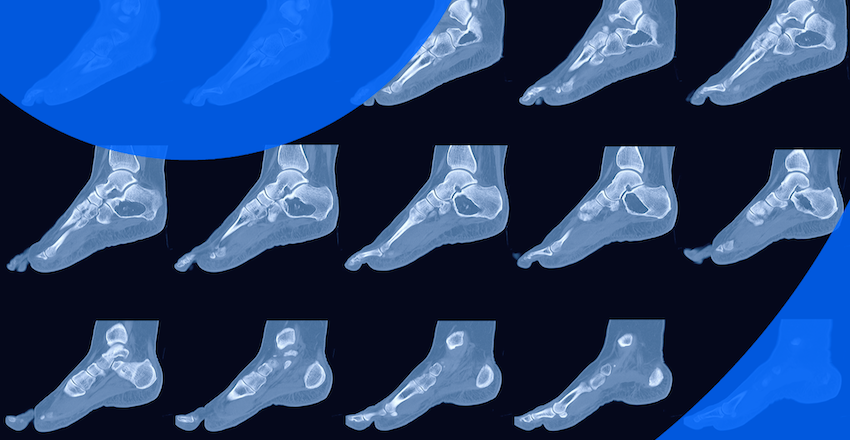
Image Source: www.pockethealth.com
How Long To Get Cat Scan Results: What to Expect
When will I get my cat scan results? Generally, you can expect to receive your CAT scan results within 24 to 48 hours after the scan is completed. However, the time to receive imaging reports can vary.
A CT scan, or CAT scan (Computed Axial Tomography), is a powerful diagnostic tool that uses X-rays and computer technology to create detailed images of the inside of your body. These images allow doctors to see bones, blood vessels, and soft tissues clearly. Once the scan is finished, the data needs to be processed and interpreted by a radiologist, a doctor specializing in medical imaging. This interpretation process is crucial for providing accurate diagnostic information to your referring physician. So, how long do CT scan results take? The journey from scan completion to your doctor receiving the report involves several steps, each contributing to the overall CT scan report waiting time.
The CT Scan Process: A Quick Overview
Before diving into result turnaround times, let’s briefly touch upon what happens during a CT scan. You’ll typically lie on a table that slides into a donut-shaped machine. The machine rotates around you, taking multiple X-ray images from different angles. Sometimes, a contrast dye is used to make certain tissues or blood vessels more visible. This dye might be injected into a vein or swallowed. The entire scanning process itself is usually quite fast, often lasting only a few minutes for a specific body part. However, the time spent preparing you and ensuring you are comfortable can add to the overall appointment duration.
Factors Influencing CT Scan Result Availability
Several elements can influence how quickly you receive your CT scan results. The cat scan result availability is not a fixed timeline for everyone.
1. Radiologist Workload and Expertise
Radiologists are highly trained physicians who analyze medical images. They review countless scans each day, and their workload can significantly impact how quickly your specific scan is interpreted. High-volume imaging centers or busy hospitals may experience longer turnaround times due to the sheer volume of scans needing interpretation.
Furthermore, the complexity of your scan can play a role. If your scan involves subtle findings or requires comparison with previous imaging, the radiologist might need more time for a thorough evaluation. The expertise of the radiologist is paramount, ensuring an accurate diagnosis.
2. Urgency of the Scan
The reason for your CT scan is a major determinant of result turnaround. If the scan was ordered due to a medical emergency, such as a suspected stroke, head injury, or internal bleeding, the radiologist will prioritize its interpretation. In such urgent cases, the CT scan results might be available within minutes to a couple of hours. The doctor turnaround time for CT scans in emergency situations is significantly faster.
Conversely, if your scan was scheduled as part of a routine check-up or to monitor a chronic condition, it might not be as urgent and could be interpreted as part of the regular workflow.
3. Type of CT Scan and Body Part
Certain types of CT scans might require more specialized interpretation. For instance, a complex cardiac CT or a detailed neurological scan might take longer for a radiologist to analyze thoroughly compared to a scan of a simple bone fracture. The body part being scanned and the complexity of the anatomical structures involved can also influence the time needed for interpretation.
4. Imaging Center or Hospital Protocols
Each healthcare facility has its own protocols and policies regarding the turnaround time for imaging reports. Some centers are equipped with advanced technology and staffing to provide faster results, while others may have longer standard waiting periods. It’s helpful to inquire about the expected turnaround time when you schedule your appointment.
5. Need for Comparison with Previous Scans
If your current CT scan is intended to monitor changes over time, the radiologist will need to compare it with any previous imaging studies you may have had. This comparative analysis adds an extra step to the interpretation process and can slightly extend the time it takes to get your results.
6. Electronic Health Record (EHR) Integration
The seamless integration of imaging reports into your electronic health record can also influence how quickly your doctor receives and reviews them. Efficient systems mean faster dissemination of information.
Typical Turnaround Times: What to Expect
So, how long do CT scan results take in a typical scenario? Let’s break down the average time for CT scan results.
Standard Turnaround Time
For non-emergency CT scans, the average time for CT scan results typically falls between 24 to 48 hours. This timeframe allows the radiologist sufficient time to:
- Acquire the images: This is the actual scanning process.
- Process the data: The raw data from the scanner is converted into usable images.
- Interpret the images: The radiologist meticulously reviews each slice of the scan, looking for abnormalities or confirming normal findings.
- Dictate the report: The radiologist dictates their findings, which are then transcribed into a written report.
- Review and sign the report: The radiologist reviews the transcribed report for accuracy before signing it.
- Send the report to the referring physician: The final report is transmitted electronically or by fax.
This entire process, while efficient, requires a structured workflow to ensure accuracy. The CT scan results turnaround is therefore a measured process.
Faster Turnaround Times (Urgent Cases)
As mentioned earlier, urgent cases are a priority. In situations where immediate results are critical, the how quickly are CT scans read can be a matter of hours. For example, if a CT scan is performed to rule out a pulmonary embolism (blood clot in the lung) or a bowel obstruction, the radiologist will be notified of the urgency and will aim to interpret the scan and communicate the findings as soon as possible, often within a few hours of the scan being completed.
Extended Turnaround Times
While less common, some situations might lead to a longer wait. These can include:
- Holidays or weekends: Facilities operating with reduced staffing during these periods might experience delays.
- Complex cases: Scans requiring extensive comparison with numerous prior studies or consultation with other specialists might take longer.
- Technical issues: Though rare, technical glitches with imaging equipment or reporting systems can sometimes cause delays.
Receiving Your CT Scan Results
The question of “when will I get my cat scan results?” often extends to how you will receive them. There are a few common ways:
- Through your doctor: This is the most frequent and often preferred method. Your doctor will receive the official report and will then discuss the findings with you during a follow-up appointment or over the phone. They can explain what the results mean in the context of your overall health.
- Via a patient portal: Many healthcare systems now offer online patient portals where you can access your medical records, including imaging reports, often before your doctor has had a chance to discuss them with you. It’s important to wait for your doctor’s interpretation, as they can provide crucial context and answer any questions you may have.
- Directly from the imaging center (less common): In some instances, particularly for outpatient scans, the imaging center might provide you with a copy of the report. However, it is always best to discuss these findings with your referring physician.
Doctor Turnaround Time for CT Scans: The Final Step
Once the radiologist has completed and signed the report, it is sent to your referring physician. The doctor turnaround time for CT scans refers to how long it takes for your doctor to review the report and communicate the findings to you. This can depend on:
- Your doctor’s schedule: They need to fit reviewing your report into their busy schedule.
- The urgency of the findings: If the report indicates a serious or urgent issue, your doctor will likely contact you sooner.
- The need for a follow-up appointment: Often, results are best discussed in person, so scheduling an appointment might be necessary.
It’s important to remember that while the radiologist’s report is ready, your doctor may want to discuss it with you in person to ensure you fully grasp the information.
What to Do While Waiting for Your Results
The waiting period can be anxiety-provoking. Here are some tips to help you manage:
- Be patient: Trust that the process is designed to be thorough and accurate.
- Avoid unnecessary calls: Repeatedly calling the imaging center or your doctor’s office for updates might not speed up the process and can add to their workload.
- Stay hydrated: If you were given contrast dye, drinking plenty of fluids can help flush it out of your system.
- Engage in distracting activities: Read a book, watch a movie, or spend time with loved ones to take your mind off the wait.
- Prepare questions: Before you speak with your doctor, jot down any questions you have about the scan or the potential results.
Frequently Asked Questions (FAQ)
Here are answers to some common questions about CT scan results:
Q1: Can I get my CT scan results immediately after the scan?
A1: Generally, no. While the scan itself is quick, the interpretation by a radiologist takes time. For routine scans, expect results within 24-48 hours. Urgent cases may have faster turnaround.
Q2: How long does it take for a radiologist to read a CT scan?
A2: A radiologist can typically read a CT scan and dictate a preliminary report within a few hours for urgent cases. For routine scans, it’s usually within 24 hours. The full time to receive imaging reports includes transcription and final review.
Q3: Will my doctor call me with the results, or do I need to schedule an appointment?
A3: This varies by practice. Some doctors will call with urgent results, while others prefer to discuss all results, including normal ones, in person or via a scheduled telehealth appointment. It’s best to ask your doctor’s office about their protocol.
Q4: What if my CT scan results are normal?
A4: If your CT scan results are normal, your doctor will likely inform you as such and explain what this means for your health. Even normal results are important for tracking your health over time.
Q5: What information is included in a CT scan report?
A5: A CT scan report typically includes details about the procedure, the findings of the radiologist (what they observed in the images), and sometimes recommendations for further evaluation or treatment. It will often describe the size, shape, and location of any abnormalities found.
Q6: Can I get a copy of my CT scan images?
A6: Yes, you have the right to access your medical images. You can usually request a copy of your CT scan images on a CD or through a secure online portal. Discuss this with the imaging center or your doctor’s office.
Q7: What does “preliminary report” mean?
A7: A preliminary report is an initial interpretation of the scan by the radiologist. It might be generated quickly for urgent cases. The final report, after a more thorough review, may contain slightly different or more detailed information.
By understanding the steps involved and the factors that influence turnaround times, you can have a clearer picture of when to expect your CT scan results and what the process entails. Always feel comfortable asking your healthcare provider about their specific procedures and expected timelines.