
When you start giving your cat insulin, you might wonder, “How long after starting insulin will my cat feel better?” Typically, you can expect to see initial improvements in your cat’s behavior and physical signs within 24 to 72 hours of starting regular insulin therapy. However, reaching stable blood sugar control, which indicates true improvement, usually takes several weeks to a few months.
What is insulin? Insulin is a hormone that helps your cat’s body use sugar (glucose) for energy. When a cat has diabetes, their body doesn’t make enough insulin or can’t use it properly. This leads to high blood sugar levels. Insulin injections are given to replace or supplement what the body isn’t producing.
Feline diabetes is a serious condition, but with proper management, many cats can live happy and comfortable lives. One of the biggest concerns for owners is when they will see their beloved pet start to feel better after beginning insulin therapy. This blog post will delve into the insulin therapy timeline, discuss cat blood sugar improvement, and explain what to look for regarding signs of effective insulin and cat diabetes symptoms relief.
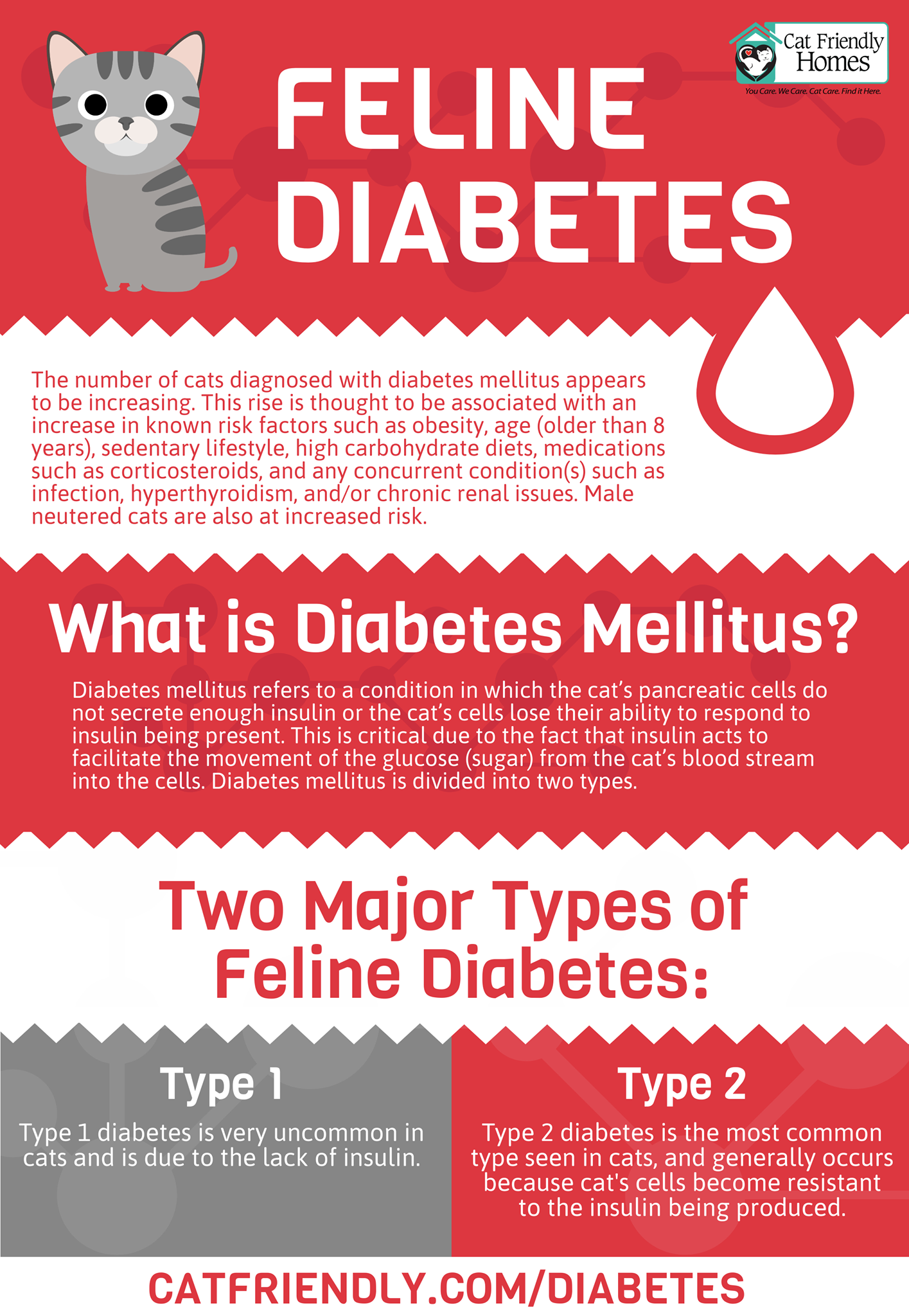
Image Source: catfriendly.com
The Initial Days: First Signs of Change
The first few days of insulin therapy are crucial for monitoring your cat’s response. While you might not see dramatic changes immediately, subtle improvements can start to appear.
What to Expect in the First 24-72 Hours
During this initial period, the insulin is beginning to work by helping your cat’s cells take in glucose from the bloodstream. This can start to lower blood sugar levels.
- Increased Thirst and Urination Reduction: One of the most noticeable signs of diabetes is excessive thirst (polydipsia) and frequent urination (polyuria). As insulin starts to work, your cat’s body will begin to regulate blood sugar more effectively, which can lead to a gradual decrease in these symptoms. You might notice they are not drinking as much water or needing to go outside/use the litter box as often.
- Improved Appetite: Diabetic cats often experience a lack of energy, even though they might eat a lot. This is because their bodies can’t use the glucose for energy. As insulin levels stabilize blood sugar, your cat may start to regain some energy and show a more normal interest in food without the frantic, insatiable hunger.
- Slightly More Alert Behavior: You might observe your cat becoming a bit more engaged with their surroundings. They may be less lethargic and show more interest in playing or interacting with you.
It’s important to remember that these changes are often subtle at first. Don’t expect a complete turnaround overnight. Consistency in administering the insulin at the correct times and following your veterinarian’s feeding instructions is key.
Common Misconceptions About Early Improvement
Some owners might expect their cat to be back to their old selves within a day or two. While it’s wonderful when improvement is rapid, it’s more common for the process to be gradual.
- Instant Energy Boost: While some energy improvement is possible, a cat that has been sick for a while won’t suddenly become a kitten again. They still need time to recover their strength.
- Complete Symptom Resolution: The hallmark symptoms of diabetes, like excessive thirst and urination, may not disappear completely in the first few days. They will likely diminish over time as blood sugar levels become more stable.
The First Few Weeks: Navigating the Insulin Therapy Timeline
The first few weeks are critical for fine-tuning the insulin dosage for cats and observing their response. This period is often referred to as the stabilization phase.
Monitoring and Adjustments
Your veterinarian will likely schedule follow-up appointments during this time to monitor your cat’s progress. This often involves:
- Blood Glucose Curves: A blood glucose curve is a series of blood sugar readings taken over a 12 or 24-hour period. This helps your vet see how the insulin is affecting your cat’s blood sugar throughout the day, identifying peaks and troughs.
- Urine Tests: Checking urine for glucose and ketones is also important. When blood sugar is too high, glucose spills into the urine. Ketones in the urine can be a sign of a dangerous complication called ketoacidosis.
Based on these readings, your veterinarian may adjust the insulin dosage. Finding the right dose is a process of trial and error, and it’s crucial to stick to the prescribed amount.
What to Look for: Signs of Effective Insulin
As the insulin therapy progresses, you should begin to notice more consistent improvements. These are the signs of effective insulin:
- More Stable Energy Levels: Your cat will likely have more consistent energy throughout the day, rather than periods of extreme lethargy followed by brief bursts of activity.
- Normal Hydration: Their thirst should decrease to a level that is normal for a healthy cat. You’ll notice they are not constantly seeking water.
- Regular Urination Habits: The frequency and volume of urination should return to normal.
- Improved Coat Condition: Diabetic cats can sometimes have dull or unkempt fur. As their health improves, their coat may become shinier and healthier.
- Weight Gain (if underweight): If your cat was losing weight due to diabetes, you might see them start to gain a healthy amount of weight as their body can now utilize nutrients properly.
- Absence of Vomiting and Diarrhea: These can sometimes be associated with poorly controlled diabetes.
When to Expect Cat Improvement Beyond Initial Signs
While initial changes can be seen within days, significant improvement and a return to a more normal quality of life typically take 2 to 4 weeks. This is when the insulin dose is likely to be more stable and the cat’s body is better adjusted.
The Long Haul: Feline Diabetes Management and Recovery
Once your cat is stabilized on insulin, the focus shifts to ongoing feline diabetes management. This involves consistent care and monitoring to maintain good health and prevent complications.
Achieving Stable Blood Sugar Control
Stable blood sugar control is the ultimate goal of insulin therapy. This means keeping blood glucose levels within a healthy range, preventing both hyperglycemia (high blood sugar) and hypoglycemia (dangerously low blood sugar).
- Ideal Blood Glucose Ranges: For diabetic cats, the target blood glucose range can vary depending on the individual cat and the type of insulin used, but generally, vets aim for readings between 100-250 mg/dL during the day. However, this can be challenging to achieve perfectly.
- The Role of Diet and Exercise: Diet plays a critical role in diabetic cat recovery. A high-protein, low-carbohydrate diet is often recommended. Consistent exercise also helps improve insulin sensitivity.
Signs of Continued Improvement and Well-being
As your cat continues on insulin therapy and their diabetes is well-managed, you’ll see long-term benefits:
- Normal Weight Maintenance: Your cat will likely maintain a healthy body weight without significant fluctuations.
- Active and Playful: They will have sustained energy levels, enjoying play sessions and interacting with their family.
- Healthy Appetite: Their appetite will be normal and consistent, without overeating or loss of interest in food.
- No Clinical Signs of Diabetes: The excessive thirst, frequent urination, and lethargy should be gone or significantly reduced.
Potential Setbacks and What to Watch For
Even with the best management, there can be times when your cat’s diabetes is not perfectly controlled. It’s important to be aware of potential issues:
- Hypoglycemia: This can occur if the insulin dose is too high, the cat hasn’t eaten, or they have vomited after an insulin injection. Signs include weakness, wobbling, disorientation, or even seizures. This is a medical emergency and requires immediate veterinary attention.
- Diabetic Ketoacidosis (DKA): This is a serious complication where the body starts breaking down fat for energy, producing ketones. Signs include vomiting, lethargy, loss of appetite, and a sweet or fruity smell to the breath. DKA requires intensive veterinary care.
- Regurgitation or Vomiting: This can be a sign that your cat isn’t feeling well, potentially due to blood sugar fluctuations, or it could be a sign of other underlying issues.
Factors Influencing the Speed of Improvement
Several factors can influence how quickly your cat responds to insulin and begins to feel better.
1. Type of Insulin and Dosage
Different types of insulin have different durations of action. Your veterinarian will choose an insulin that is appropriate for your cat’s needs. The insulin dosage for cats is also critical; too little may not be effective, while too much can lead to hypoglycemia. It may take time to find the optimal dose.
2. Consistency of Administration
Insulin therapy timeline requires strict consistency. Giving insulin at the same times each day, along with meals, is crucial for maintaining stable blood sugar levels. Inconsistent dosing can lead to unpredictable blood sugar fluctuations, slowing down the cat blood sugar improvement.
3. Diet and Feeding Schedule
A proper diet is essential for diabetic cat recovery. Feeding a consistent, specialized diet at regular times helps the insulin work more effectively.
4. Overall Health of the Cat
The cat’s general health status before starting insulin plays a significant role. Cats with other concurrent health issues (like kidney disease or hyperthyroidism) may take longer to stabilize and show improvement. The underlying cause of the diabetes can also influence the recovery process.
5. Owner Compliance and Observation
The owner’s ability to administer insulin correctly, monitor the cat for changes, and communicate effectively with the veterinarian is vital. Diligent observation of cat diabetes symptoms relief and reporting any concerns promptly can expedite the process.
Tracking Progress: What to Observe in Your Diabetic Cat
As an owner, you are on the front lines of observing your cat’s response to insulin. Knowing what to look for helps you gauge their progress.
Key Indicators of Improvement
- Hydration Levels: Is your cat drinking less water? Are their urine puddles in the litter box smaller or less frequent?
- Energy and Activity: Is your cat more active? Do they engage in play more often? Are they less lethargic?
- Appetite: Has their appetite normalized? Are they eating their meals with interest but not an overwhelming, desperate hunger?
- Grooming Habits: Diabetic cats can sometimes neglect grooming. A healthier cat will often resume regular grooming, leading to a shinier coat.
- Body Condition: Are they maintaining a healthy weight? Are they less gaunt or less overweight?
When to Contact Your Veterinarian
It’s important to maintain open communication with your vet. Contact them if you notice:
- Signs of Hypoglycemia: Weakness, wobbliness, confusion, or collapse.
- Vomiting or Diarrhea: Especially if it persists for more than 24 hours.
- Loss of Appetite: If your cat refuses to eat for more than a day.
- Deterioration of Condition: If your cat seems to be getting worse instead of better.
- Concerns about Insulin Administration: If you are unsure about the dosage or technique.
The Long-Term Outlook: Life with a Diabetic Cat
With proper management, many cats can live full and happy lives with diabetes. The goal is to achieve a good quality of life for your pet.
Maintaining Well-being Post-Stabilization
Once your cat is stabilized, ongoing feline diabetes management involves:
- Regular Veterinary Check-ups: These are crucial for monitoring blood sugar levels and overall health.
- Consistent Diet and Exercise: Stick to the prescribed diet and encourage daily activity.
- Home Monitoring: Continue to monitor your cat’s thirst, urination, and energy levels. You might even be taught how to perform home blood glucose monitoring.
- Watching for Complications: Be aware of potential issues like urinary tract infections or dental problems, which can sometimes be more common in diabetic animals.
The Role of Post-Insulin Treatment Cat Care
Post-insulin treatment cat care focuses on consistency and vigilance. It’s about integrating the new routine into your life and your cat’s life seamlessly. This means regular insulin injections, feeding the correct food at the right times, and providing a stable, stress-free environment.
Frequently Asked Questions (FAQ)
Q: How soon can I expect my cat to show noticeable improvement after starting insulin?
A: You might see initial subtle improvements in thirst, urination, and energy levels within 24 to 72 hours. However, significant and consistent improvement, indicating better blood sugar control, typically takes several weeks to a few months.
Q: What are the most common signs that insulin is working?
A: Signs of effective insulin include reduced thirst and urination, increased energy and activity, a normal appetite, and improved coat condition. Your cat will generally seem more like their old self.
Q: Can my cat be cured of diabetes?
A: While some cats, particularly those diagnosed early or with specific contributing factors like obesity, can go into remission (meaning they no longer require insulin), diabetes is often a chronic condition. The goal of insulin therapy is to manage the condition and maintain a good quality of life.
Q: My cat seems worse after starting insulin. What should I do?
A: If your cat appears to be getting worse, it’s crucial to contact your veterinarian immediately. This could indicate a problem with the insulin dose (too high or too low), a complication like ketoacidosis, or another underlying health issue that needs to be addressed.
Q: How often will my cat need insulin injections?
A: Most cats with diabetes require insulin injections twice a day, usually given along with meals. Always follow your veterinarian’s specific instructions.
Q: What is the average lifespan of a diabetic cat on insulin?
A: With proper management, many diabetic cats can live for many years, often close to a normal lifespan. Factors like early diagnosis, consistent treatment, and the absence of other serious health conditions contribute to a better long-term outlook.
By staying informed, adhering to your veterinarian’s recommendations, and observing your cat closely, you can help them navigate their diabetes journey and achieve a better quality of life. The commitment to feline diabetes management is a journey, but the reward of seeing your cat feel better is immeasurable.