
Image Source: hare-today.com
Why Does My Cat Vomit After Eating Dry Food?
Does your beloved feline friend often bring up their breakfast or dinner shortly after finishing their dry food? This is a common concern for many cat owners, and the answer to why a cat vomits after eating dry food can be complex, involving a range of physiological and dietary factors. Cat vomiting undigested food after consuming dry kibble can be attributed to several reasons, from the way they eat to the food itself and underlying health issues.
Deciphering Cat Regurgitation After Eating
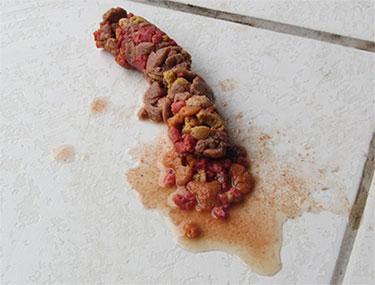
It’s important to distinguish between vomiting and regurgitation, though they can look similar. Cat regurgitation after eating typically occurs soon after a meal, often within minutes. The food is usually undigested and may look like a tube or log shape, as it comes up with minimal effort and no retching or heaving. Vomiting, on the other hand, is an active process involving abdominal contractions and retching, and the vomited material may be partially digested. When owners say their cat throws up after eating, it’s often regurgitation.
Feline Vomiting Kibble: Common Culprits
When your cat experiences feline vomiting kibble, several factors could be at play. Dry food, by its nature, is low in moisture. This can lead to a few issues.
1. Eating Too Fast
Many cats, especially those in multi-cat households, tend to “gobble” their food. This rapid consumption means they swallow a lot of air along with the kibble. This excess air can fill the stomach, leading to discomfort and subsequent regurgitation. The kibble may not be chewed thoroughly, making it harder for their digestive system to process.
2. Food Size and Shape
The size and shape of the kibble itself can also be a factor in why cat throws up dry food. If the kibble is too large for your cat to comfortably chew and swallow, they might gulp it down whole, increasing the risk of regurgitation.
3. Dry Food vs. Wet Food Digestion
Dry kibble requires more water for digestion compared to wet food. If your cat doesn’t drink enough water, the dry food can expand in their stomach, potentially causing irritation and leading to vomiting. Cats are naturally predisposed to getting water from their food, which is why they often prefer wet food.
4. Allergies and Intolerances
Cat food intolerance symptoms can manifest as vomiting, especially after eating a specific type of food. A sensitive stomach cat food is often recommended when this is suspected. Ingredients like certain grains, proteins (like chicken or beef), or artificial additives can trigger adverse reactions.
5. Underlying Medical Conditions
While dietary factors are common, persistent vomiting or regurgitation can indicate more serious health problems. These can include:
- Gastrointestinal issues: Gastritis, inflammatory bowel disease (IBD), or pancreatitis can cause inflammation and upset the digestive process.
- Parasites: Intestinal parasites can irritate the gut lining, leading to vomiting.
- Hairballs: Cats groom themselves, ingesting hair. While some hair passes through, large amounts can form a hairball that may cause vomiting if it obstructs the digestive tract.
- Eating non-food items: Some cats ingest objects they shouldn’t, which can lead to blockages or irritation.
- Kidney disease, hyperthyroidism, and other metabolic disorders: These conditions can cause nausea and vomiting.
Why Cat Eating Dry Food Causing Sickness: A Deeper Dive
The phrase cat eating dry food causing sickness often refers to the broader impact of dry kibble on a cat’s delicate digestive system.
Dry Food and Hydration
Cats have evolved from desert animals, meaning their thirst drive is relatively low. They are programmed to get most of their water from their prey, which is about 70-80% water. Dry kibble typically contains only about 10% moisture. This significant difference means that cats eating exclusively dry food are chronically under-hydrated. This lack of hydration can:
- Slow down digestion: Water is crucial for breaking down food and moving it through the digestive tract.
- Lead to constipation: Dehydration can make stool harder to pass.
- Increase the risk of urinary tract issues: Cats on dry food are more prone to bladder stones and infections due to concentrated urine.
- Exacerbate gastrointestinal upset: The dry food can irritate the stomach lining when not properly hydrated.
Nutritional Deficiencies or Imbalances
While many commercial dry foods are formulated to be complete and balanced, some lower-quality options may have ingredients that are harder for cats to digest or lack essential nutrients. Cats are obligate carnivores, meaning their diet should primarily consist of animal protein. If a dry food relies heavily on plant-based proteins or fillers, it might not be as easily digestible.
Cat Digestive Issues After Meals: What to Look For
When dealing with cat digestive issues after meals, it’s important to observe your cat’s behavior and the nature of the vomit.
Signs of Regurgitation:
- Timing: Occurs shortly after eating (within minutes).
- Effort: Minimal or no retching or heaving.
- Appearance of vomit: Undigested kibble, often in a tube or log shape.
- Cat’s demeanor: The cat may seem unfazed after regurgitating.
Signs of Vomiting:
- Timing: Can occur anytime, but often after eating or drinking.
- Effort: Visible retching, heaving, or abdominal contractions.
- Appearance of vomit: Partially digested food, bile (yellow or green liquid), foamy liquid, or even blood.
- Cat’s demeanor: The cat may appear distressed, lethargic, or in pain.
Cat Dry Food Sensitivity: Recognizing the Symptoms
Cat dry food sensitivity can manifest in various ways, and vomiting is a primary one. Other symptoms might include:
- Diarrhea: Loose stools or watery bowel movements.
- Lethargy: Decreased activity and playfulness.
- Loss of appetite: Reluctance to eat, even their usual food.
- Weight loss: Unexplained decrease in body weight.
- Poor coat quality: Dull, greasy, or patchy fur.
- Skin issues: Redness, itching, or hair loss.
Cat Vomits Undigested Food: More Specific Causes
The observation of cat vomits undigested food points strongly towards issues with how the food is processed in the stomach and upper digestive tract.
1. Gastric Emptying Issues
Some cats have a slower gastric emptying rate, meaning food stays in their stomach longer. If the kibble doesn’t move out of the stomach efficiently, it can lead to a buildup and subsequent regurgitation.
2. Esophageal Issues
While less common, esophageal problems can cause food to be expelled shortly after swallowing. Esophagitis (inflammation of the esophagus) or strictures (narrowing of the esophagus) can make it difficult for food to pass into the stomach.
3. Mechanical Blockages
Rarely, a foreign object or a severe hairball can partially obstruct the stomach or esophagus, leading to the inability to process food and subsequent regurgitation.
Causes of Cat Vomiting After Eating: A Comprehensive List
To summarize, here are the primary causes of cat vomiting after eating:
- Eating too quickly: Gobbling food and swallowing air.
- Kibble characteristics: Size, shape, or texture of the dry food.
- Dehydration: Insufficient water intake to properly digest dry food.
- Food allergies or intolerances: Reactions to specific ingredients in the dry food.
- Hairballs: Accumulation of swallowed hair.
- Gastrointestinal irritation: Inflammation of the stomach or intestines.
- Parasitic infections: Internal worms.
- Overeating: Consuming too much food at one time.
- Medical conditions: Kidney disease, hyperthyroidism, IBD, pancreatitis, etc.
- Stress or anxiety: Emotional factors can affect digestion.
Strategies for Preventing Vomiting After Eating Dry Food
If your cat is vomiting after eating dry food, there are several practical steps you can take.
1. Slow Down Eating Habits
- Slow Feeder Bowls: These bowls have obstacles or compartments that force the cat to eat more slowly.
- Puzzle Feeders: These toys dispense kibble as the cat manipulates them, requiring a more gradual feeding process.
- Smaller, More Frequent Meals: Instead of one or two large meals, try feeding smaller portions several times a day.
2. Adjust Food Type and Presentation
- Transition to Wet Food: A gradual transition to a high-quality wet food diet is often the most effective solution. Wet food has higher moisture content and is generally more digestible for cats.
- Hydration Enhancement: If you must feed dry food, encourage more water intake by providing multiple water sources, using a pet water fountain, or adding a little water to the kibble (though this can make it less palatable for some cats).
- Kibble Size: If you suspect kibble size is an issue, try a food with smaller kibble.
- Dietary Trial: If food intolerance is suspected, consult your veterinarian about a hypoallergenic diet or a limited-ingredient diet. This involves feeding a novel protein source and carbohydrate to see if symptoms improve.
3. Address Underlying Health Issues
- Veterinary Check-up: If the vomiting is frequent, severe, or accompanied by other symptoms, a veterinary visit is crucial. Your vet can perform diagnostic tests to rule out medical conditions.
- Deworming: Ensure your cat is on a regular deworming schedule as prescribed by your vet.
- Hairball Management: Regular grooming can help reduce hair ingestion. Hairball remedies or specialized foods can also assist.
When to Seek Veterinary Advice
It’s important to know when a cat’s vomiting warrants professional attention.
Red Flags:
- Vomiting more than once or twice a week.
- Vomiting blood or foreign objects.
- Vomiting accompanied by lethargy, diarrhea, weight loss, or lack of appetite.
- The cat appears in pain or distress.
- The vomiting started suddenly and is persistent.
A veterinarian can properly diagnose the cause of your cat’s vomiting and recommend the most appropriate treatment plan, which might include dietary changes, medication, or further diagnostic tests.
Transitioning to Wet Food: A Gradual Approach
If you decide to switch from dry food to wet food, a gradual transition is essential to avoid further digestive upset.
Table: Gradual Wet Food Transition Schedule
| Days | Percentage of Wet Food | Percentage of Dry Food | Notes |
|---|---|---|---|
| 1-3 | 25% | 75% | Mix new wet food with current dry food. |
| 4-6 | 50% | 50% | Observe for any signs of digestive upset. |
| 7-9 | 75% | 25% | Gradually increase wet food, decrease dry. |
| 10+ | 100% | 0% | Full transition to wet food. Monitor closely for the first week. |
Important Considerations During Transition:
- Monitor stool consistency: Watch for diarrhea or constipation.
- Observe appetite: Ensure your cat is readily eating the new food.
- Hydration: Even with wet food, ensure fresh water is always available.
Feline Diet: The Role of Protein and Moisture
Cats are obligate carnivores. Their bodies are designed to process animal-based proteins and fats efficiently. Dry kibble, while convenient, often contains higher levels of carbohydrates and plant-based ingredients, which can be harder for some cats to digest. The low moisture content in dry food is a significant factor contributing to digestive and urinary health issues in cats.
A diet rich in animal protein and high in moisture, such as a well-formulated wet food, mimics a cat’s natural diet more closely and can significantly improve digestive function and overall health.
Frequently Asked Questions (FAQ)
Q1: Is it normal for my cat to vomit dry food?
No, it is not normal for a cat to consistently vomit dry food. While occasional regurgitation can happen, frequent vomiting after eating dry kibble indicates an underlying issue that needs attention.
Q2: What are the best foods for cats with sensitive stomachs?
For cats with sensitive stomachs, a veterinarian may recommend specialized diets. These often include novel protein sources (like duck, venison, or rabbit) and limited carbohydrates, or prescription diets formulated for digestive sensitivities. High-quality wet foods are often well-tolerated.
Q3: Can I give my cat anti-vomiting medication?
Over-the-counter anti-vomiting medications for humans are generally not safe for cats and should never be administered without explicit veterinary instruction. If your cat is vomiting, it’s best to consult your veterinarian.
Q4: How much water should my cat drink?
A general guideline is about 3.5 to 4.5 ounces of water per 5 pounds of body weight per day. However, this can vary based on activity level, diet, and environmental temperature. Cats on dry food need to actively seek out water sources to meet their hydration needs.
Q5: Can stress cause my cat to vomit after eating?
Yes, stress and anxiety can certainly affect a cat’s digestive system and lead to vomiting or other gastrointestinal upset. Changes in environment, household dynamics, or routine can be stressful for cats.
Q6: If my cat vomits kibble, should I switch to all wet food immediately?
While a transition to wet food is often recommended, it should be done gradually to avoid further digestive upset. A slow transition over 7-10 days is usually best. Consult your vet for the most appropriate transition plan.
By paying close attention to your cat’s eating habits, diet, and overall health, you can work towards resolving the issue of vomiting after eating dry food and ensure your feline friend remains happy and healthy.