
Can I get cat pee out of a leather sofa? Yes, you absolutely can get cat pee out of a leather sofa with the right approach and products. What is the best way to remove cat urine from leather? The best way involves immediate action, using appropriate cleaning solutions, and ensuring complete drying to prevent lasting damage or odor.
Discovering your beloved feline friend has had an accident on your cherished leather sofa can be disheartening. The unique properties of leather, while luxurious, can also make it susceptible to stains and lingering odors from pet urine. But don’t despair! With the right knowledge and techniques, you can effectively tackle these unwelcome accidents and restore your leather sofa to its former glory. This comprehensive guide will walk you through the safest and most effective methods for leather cleaning and pet odor removal from your sofa, focusing on urine stain removal and leather sofa care.
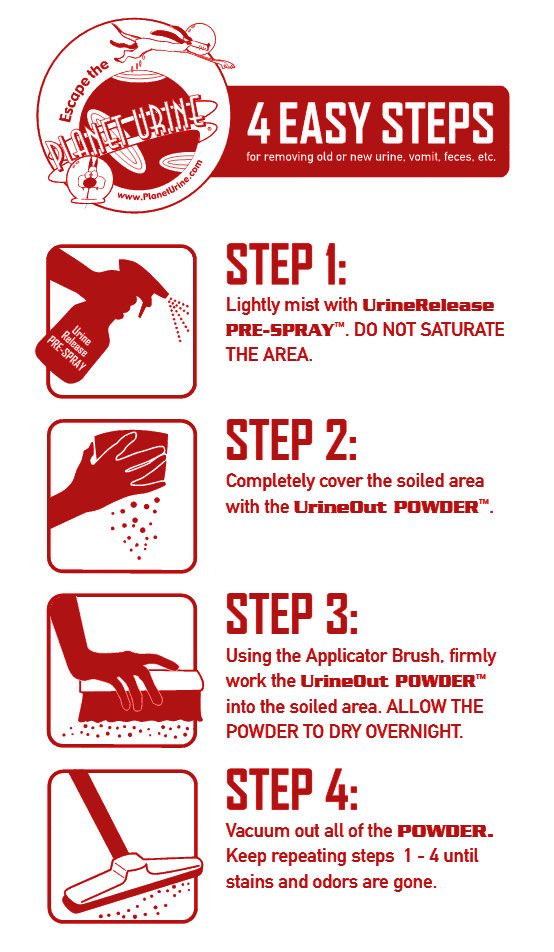
Image Source: www.planeturine.com
Immediate Action: The First Line of Defense
When you discover a fresh cat pee spot, acting quickly is paramount. The longer the urine sits on the leather, the deeper it penetrates, making it harder to remove and increasing the risk of permanent staining and odor.
Blot, Don’t Rub!
- Gather supplies: You’ll need clean, absorbent cloths or paper towels.
- Gently blot: Press the cloths firmly onto the wet area. The goal is to soak up as much of the liquid as possible without spreading it.
- Replace cloths: Continue blotting with fresh cloths until no more moisture is absorbed. This step is crucial for urine stain removal.
Choosing the Right Cleaning Solutions
Selecting the correct cleaning agent is vital for leather sofa care. Harsh chemicals can damage the leather’s finish, causing discoloration or drying it out. For cat urine, you need something that can neutralize the odor-causing components and break down the uric acid crystals.
The Power of Enzymes
Enzyme cleaner for leather is often the most recommended solution for pet stains and odors. These cleaners contain beneficial bacteria and enzymes that digest organic matter, effectively breaking down urine molecules. This process not only removes the stain but also eliminates the source of the smell.
How Enzyme Cleaners Work
Enzyme cleaners are specifically formulated to target and break down the proteins and uric acid crystals found in pet urine. These crystals are the primary reason why pet odors can return even after cleaning, as they are not water-soluble and can reactivate with humidity. The enzymes in the cleaner literally “eat away” at these compounds, leaving the area odor-free.
Natural Stain Removal Options
While enzyme cleaners are highly effective, some prefer to explore natural stain removal methods. These can be useful for minor spots or as a follow-up treatment.
Vinegar and Water Solution
- Mix: Combine equal parts white vinegar and distilled water in a spray bottle.
- Test: Always test this solution on an inconspicuous area of the leather first to ensure it doesn’t cause discoloration.
- Apply: Lightly mist the affected area. Vinegar helps neutralize ammonia odors.
- Blot: Blot the area gently with a clean cloth.
- Dry: Allow the area to air dry completely.
Baking Soda Paste (for lingering odors)
For residual odors, a paste made of baking soda and water can be applied once the area is dry.
- Create Paste: Mix baking soda with a small amount of water to form a thick paste.
- Apply: Gently spread the paste over the stained area.
- Let it work: Allow the paste to dry completely (this may take several hours or overnight).
- Brush off: Once dry, gently brush away the baking soda residue. This can help absorb remaining odors.
Step-by-Step Guide to Removing Cat Urine Stains and Odors
Here’s a detailed breakdown of how to effectively remove cat stains and the associated odors from your leather sofa. Remember to always consult your sofa manufacturer’s cleaning instructions if available.
Step 1: Blotting the Fresh Stain (As detailed above)
This initial step is critical. The more urine you can absorb immediately, the less work the cleaning solutions will have to do.
Step 2: Applying the Cleaning Solution
-
For Enzyme Cleaners:
- Follow the product instructions carefully. Most enzyme cleaners are sprayed directly onto the affected area.
- Ensure the cleaner penetrates the leather to reach the urine within. You may need to gently press it in with a cloth.
- Allow the cleaner to sit for the recommended time. This is crucial for the enzymes to work effectively.
-
For Vinegar Solution (as a spot treatment):
- Lightly mist the cleaned, blotted area with the vinegar and water solution.
- Do not oversaturate the leather.
Step 3: Blotting Away the Cleaner
- After the recommended dwell time for the cleaning solution, gently blot the area again with a clean, dry cloth to absorb excess moisture and the dissolved urine components.
Step 4: Air Drying is Key
- Allow the sofa to air dry completely. Avoid using heat sources like hairdryers, as this can set any remaining stains or damage the leather.
- Ensure good ventilation in the room to speed up the drying process.
Step 5: Dealing with Lingering Odors
If, after the area is completely dry, you still detect a faint urine smell, it’s time to employ a leather deodorizer or a repeat application of the enzyme cleaner.
- Repeat Enzyme Treatment: Apply the enzyme cleaner again, ensuring it saturates the area, and allow it to air dry.
- Baking Soda: As mentioned earlier, a baking soda paste can be applied to dry leather to absorb persistent odors.
Step 6: Conditioning the Leather
Once the area is completely dry and free of odor, it’s important to recondition the leather. Cleaning can strip away some of the natural oils, so applying a good quality leather conditioner will help restore its suppleness and protect it.
- Choose the Right Conditioner: Select a conditioner specifically designed for the type of leather your sofa is made from (e.g., aniline, semi-aniline, protected leather).
- Apply Sparingly: Apply a small amount of conditioner to a clean, soft cloth and gently rub it into the leather in a circular motion.
- Buff: Allow the conditioner to penetrate for a few minutes, then buff off any excess with a clean cloth.
What About Different Types of Leather?
The process for leather cleaning might vary slightly depending on the type of leather your sofa is made from.
Protected (Pigmented) Leather
This is the most common type of leather used in furniture. It has a protective coating that makes it more resistant to stains and easier to clean.
- Cleaning Method: Most mild cleaning solutions, including diluted white vinegar and specialized leather cleaners, are generally safe for protected leather. Enzyme cleaners are highly effective.
- Caution: While more durable, excessive moisture or harsh scrubbing can still damage the finish.
Aniline and Semi-Aniline Leather
These leathers are dyed using soluble dyes without a heavy protective coating. They have a more natural, luxurious feel but are more susceptible to staining and damage.
- Cleaning Method: Use extreme caution. Opt for cleaners specifically formulated for aniline or semi-aniline leather. Always test in an inconspicuous spot first. Enzyme cleaners designed for delicate leathers are often a good choice. Avoid water-based cleaners if possible.
- Caution: These leathers are very absorbent. Blotting is critical. Avoid any cleaning solution that changes the color or texture of the leather.
Nubuck and Suede Leather
These are napped leathers and require specialized cleaning methods. Cat urine on nubuck or suede can be particularly challenging.
- Cleaning Method:
- Allow the urine to dry completely.
- Use a suede brush or nubuck cloth to gently brush away any dried residue.
- For stains, a specialized suede cleaner or a very light application of a white vinegar solution (followed by immediate blotting and brushing) might be attempted with extreme caution and testing.
- Consider professional cleaning for significant accidents on these delicate materials.
Important Considerations and Warnings
- Never Use Ammonia-Based Cleaners: Cat urine contains ammonia. Using ammonia-based cleaners can actually attract your cat back to the same spot, encouraging repeat offenses.
- Avoid Harsh Chemicals: Bleach, ammonia, and abrasive cleaners will damage leather and can be harmful if ingested or inhaled.
- Test First: Always test any cleaning product or solution on a hidden area of the sofa before applying it to the stain. This will help you avoid permanent discoloration or damage.
- Don’t Over-Wet: Excessive moisture can soak into the leather’s cushioning and backing, leading to mold or mildew growth and potential structural damage.
- Professional Cleaning: If the stain is large, old, or you are hesitant to tackle it yourself, consider consulting a professional upholstery cleaning service that specializes in leather sofa care and pet stain removal.
Preventing Future Accidents
Once you’ve successfully cleaned your sofa, you’ll want to prevent future accidents.
Identify the Cause
- Litter Box Issues: Ensure the litter box is clean, accessible, and in a location your cat finds comfortable. Some cats are particular about their litter box situation.
- Medical Problems: Sudden changes in litter box habits can sometimes indicate an underlying medical issue. Consult your veterinarian.
- Stress or Anxiety: Changes in the household, new pets, or territorial disputes can cause stress in cats, leading to inappropriate urination.
- Territorial Marking: Male cats, especially unneutered ones, may mark territory. Neutering can often resolve this.
Make the Sofa Less Appealing
- Use Pet Repellents: Commercial pet repellents or natural deterrents like citrus sprays (test on an inconspicuous area first!) can be applied to the sofa.
- Cover the Sofa: While cleaning, or as a preventative measure, you can cover the sofa with a waterproof pet cover or a throw.
- Enzymatic Cleaners as a Deterrent: Regularly spraying the sofa with an enzyme cleaner can help eliminate any residual odors that might attract your cat back to the spot.
Frequently Asked Questions (FAQ)
Q1: How long does it take for cat urine to damage leather?
The speed at which cat urine can damage leather depends on the type of leather and how quickly it’s addressed. On unprotected leathers like aniline, urine can start to darken and potentially cause permanent staining within hours. Protected leathers offer more resistance, but prolonged exposure will still lead to damage.
Q2: Can I use a steam cleaner on my leather sofa for cat urine?
It is generally not recommended to use a steam cleaner on leather for cat urine. The high heat and moisture from steam can set stains, damage the leather’s finish, and even cause the leather to shrink or become brittle.
Q3: My cat peed on my leather sofa weeks ago, and I just found it. Can I still clean it?
Yes, you can still attempt to clean it, but it will be more challenging. The urine will have dried and potentially set. You’ll likely need multiple applications of an enzyme cleaner for leather, allowing it to work longer and penetrate deeper. Be patient and persistent. You might also need to use a leather deodorizer to combat any lingering smells.
Q4: What if the cat urine has soaked through the leather to the padding?
If the urine has soaked through to the padding, you might need to address the padding separately. Once the leather is clean and dry, you may be able to apply an enzyme cleaner to the affected padding if it’s accessible. However, if the damage is extensive, professional help might be necessary.
Q5: How do I prevent my cat from peeing on the leather sofa again?
Preventing future accidents involves identifying the cause of the behavior (litter box issues, medical problems, stress) and addressing it. Making the sofa less appealing by using repellents or deterrents, and ensuring your cat has a clean, accessible litter box, are key steps. Regular cleaning with enzyme-based products can also help by removing any residual attractants.
Q6: Is it safe to use isopropyl alcohol on leather for cleaning cat urine?
While isopropyl alcohol can be used for some cleaning tasks, it can be very drying and potentially damaging to leather, especially unprotected leathers. It’s best to stick to specialized leather cleaners or enzyme cleaners. If you must use alcohol for a specific purpose (like disinfecting a small area), dilute it heavily with water and test it first.
Q7: What’s the difference between a stain remover and an odor remover for cat urine on leather?
Many products, especially enzyme cleaners, act as both stain removers and odor removers because they break down the urine components that cause both. However, some products might focus more on surface cleaning or masking odors. For cat urine, targeting the uric acid crystals with an enzyme cleaner is essential for complete odor removal.
Q8: How can I tell if my leather sofa is protected or aniline?
Protected leather typically has a uniform color and a smooth, slightly shiny finish. Aniline leather often has a more natural, varied look, with visible pores and a softer, more matte finish. If you’re unsure, check any care tags or manufacturer information that came with your sofa.
Q9: Can I use saddle soap on cat urine stains on leather?
Saddle soap is primarily a cleaner and conditioner for leather goods like saddles and boots. While it can clean dirt, it’s not specifically formulated to break down the uric acid crystals in cat urine that cause odor and can lead to re-soiling. An enzyme cleaner is a more effective choice for pet urine.
Q10: What if the urine stain has bleached the leather?
If the urine has bleached the leather, it may be a permanent color change. You might be able to slightly improve the appearance with a leather recoloring balm or dye, but this can be tricky. It’s often best to consult a professional leather repair specialist in such cases.
By following these detailed steps and choosing the right products, you can effectively tackle cat urine stains and odors, ensuring your leather sofa remains a beautiful and comfortable piece of furniture for years to come. Remember, a little patience and the right approach can make all the difference in successful leather cleaning and pet odor removal.