
Image Source: cats.com
How Much Miralax Can I Give My Cat? Dosage Guide
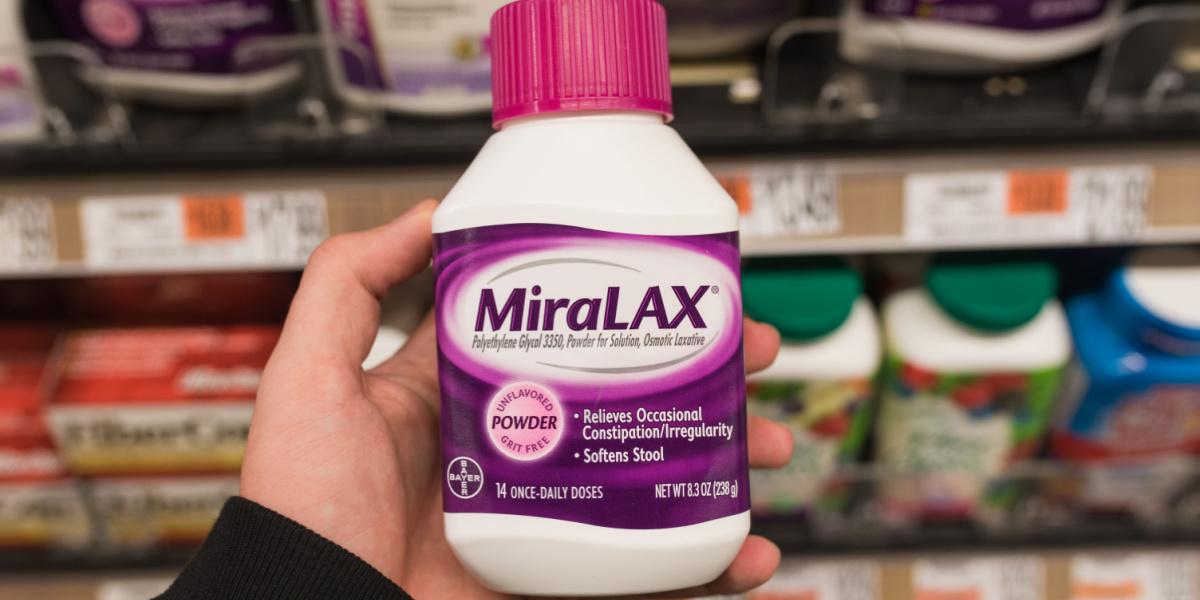
Can you give Miralax to your cat? Yes, Miralax, also known as polyethylene glycol (PEG), can be a safe and effective stool softener for cats when used appropriately under veterinary guidance. This guide will delve into the nuances of Miralax for feline use, covering dosage, administration, and important considerations.
Why Cats Need Laxatives
Cats, much like humans, can experience constipation. This can be due to a variety of factors, including diet, dehydration, lack of exercise, underlying medical conditions, or even stress. When a cat is constipated, their stool becomes hard, dry, and difficult to pass. This can lead to discomfort, pain, and potential health complications if left unaddressed.
Common causes of constipation in cats include:
- Dehydration: Cats are naturally inclined to drink less water, and dry food diets exacerbate this. Dehydration is a primary culprit for firm stools.
- Low Fiber Diet: A diet lacking sufficient fiber can contribute to slow digestion and hard stools.
- Lack of Exercise: Sedentary cats have slower gut motility, making them more prone to constipation.
- Obesity: Overweight cats may be less active, further impacting their digestive system.
- Hairballs: While normal, excessive hairballs can obstruct the digestive tract, leading to constipation.
- Underlying Medical Conditions: Kidney disease, hyperthyroidism, inflammatory bowel disease (IBD), neurological issues, and certain cancers can all cause or worsen constipation.
- Arthritis or Pain: Cats in pain, especially from arthritis, may avoid using the litter box, leading to voluntary stool withholding and subsequent constipation.
- Blockages: Foreign body ingestion or strictures in the intestines can cause severe constipation or impaction.
- Medications: Some medications can have constipation as a side effect.
Comprehending Miralax for Feline Health
Miralax is an osmotic laxative. This means it works by drawing water into the intestines. This increased water content softens the stool, making it easier to pass. Unlike stimulant laxatives, Miralax is generally considered gentle and safe for long-term use in many cases, as it doesn’t typically cause cramping or stimulate bowel contractions in a harsh manner.
Key characteristics of Miralax for cats:
- Osmotic Action: It pulls water into the colon.
- Stool Softening: Primarily softens stool rather than inducing a bowel movement.
- Gentle: Generally well-tolerated with fewer side effects than some other laxatives.
- Odorless and Tasteless: This is a significant advantage when administering it to finicky felines.
Miralax Dosage for Cats: A Careful Approach
Determining the correct Miralax dosage for cats is crucial. There is no single universal Miralax dosage for cats; it is highly dependent on the individual cat’s weight, age, health status, and the severity of their constipation.
The most common recommended starting dosage for Miralax for cats is typically 1/4 teaspoon to 1/2 teaspoon per 24-hour period. This is often mixed with a small amount of wet food or water.
However, it is imperative to consult with your veterinarian before administering Miralax to your cat. They can assess your cat’s specific situation and provide a tailored dosage recommendation. Overdosing can lead to diarrhea and dehydration, while underdosing may not be effective.
Factors Influencing Dosage:
- Cat’s Weight: Larger cats may require a slightly higher dose, while smaller cats need a lower dose.
- Severity of Constipation: Mild constipation might respond to a smaller dose, while more severe cases might require a veterinary-adjusted dose.
- Hydration Status: A well-hydrated cat will respond differently than a dehydrated one.
- Underlying Health Conditions: Cats with kidney disease or other chronic illnesses may have specific dosage requirements or contraindications.
It is never recommended to exceed the dosage prescribed by your veterinarian.
Safe Miralax for Cats: What to Look For
When considering Miralax for your cat, ensure you are using the pure, unflavored, and dye-free polyethylene glycol 3350 powder. Avoid any formulations that contain other active ingredients, such as pain relievers or other laxatives, as these could be harmful to your cat.
Always check the ingredient list on the Miralax product. You are looking for:
- Active Ingredient: Polyethylene Glycol 3350
- Inactive Ingredients: Ideally, very few, and no artificial colors, flavors, or sweeteners.
Cat Laxative Dosage: General Guidelines and How to Administer
Once you have a dosage from your veterinarian, the next step is figuring out how to give Miralax to cats effectively.
How to Give Miralax to Cats:
-
Mix with Wet Food: This is often the easiest method.
- Measure the prescribed amount of Miralax.
- Mix it thoroughly into a small portion of your cat’s favorite wet food.
- Ensure your cat eats the entire portion to receive the full dose.
- If your cat is a slow eater, you might need to divide the dose into smaller amounts throughout the day as directed by your vet.
-
Mix with Water (Syringe Feeding): If your cat is reluctant to eat the food mixture or is not eating, you can mix Miralax with water.
- Dissolve the Miralax powder completely in a small amount of water (e.g., 1-2 ounces).
- Use a clean oral syringe (without a needle) to administer the mixture slowly into the side of your cat’s mouth.
- Be careful not to squirt it too quickly, as this can cause your cat to aspirate.
- Allow your cat to swallow between administrations.
-
Concealing in a Treat: For some cats, a small dab of something highly palatable like tuna juice, chicken broth (low sodium), or a lickable treat mixed with Miralax might work.
Important Administration Tips:
- Consistency is Key: Administer the Miralax at the same time each day as recommended by your vet.
- Monitor Intake: Ensure your cat is eating and drinking adequately. If your cat is not eating, do not force feed Miralax. Contact your veterinarian immediately.
- Always Provide Fresh Water: This is crucial, especially when using Miralax, as it works by drawing water into the intestines. Ensure a constant supply of fresh, clean water is available.
Feline Miralax Use: Beyond Simple Constipation
While Miralax is primarily known for treating constipation, its use in cats can extend to other scenarios, always under veterinary supervision.
Miralax for Cat Impaction:
Intestinal impaction is a severe form of constipation where a large, hard mass of stool becomes lodged in the colon, preventing defecation. This is a medical emergency. While Miralax can be part of a treatment plan for mild impaction, severe impaction often requires immediate veterinary intervention, which may include manual dislodgement, enemas, or even surgery. Your veterinarian will determine if Miralax is appropriate in these cases and at what dosage.
Cat Stool Softener Dosage:
Miralax is considered a stool softener. The dosage will vary based on the cat’s needs. Your veterinarian will provide a specific cat stool softener dosage based on their assessment. For mild cases, a small dose might be given daily, while for more significant issues, the frequency or amount might be adjusted.
Miralax Cat Diarrhea: When to Be Concerned
While Miralax is designed to relieve constipation by softening stool, an overdose or a cat’s individual sensitivity can lead to Miralax cat diarrhea. If you observe loose, watery stools after administering Miralax, this is a sign that the dosage may be too high or your cat is reacting poorly.
If your cat experiences diarrhea after taking Miralax:
- Stop administering Miralax immediately.
- Contact your veterinarian. They will advise you on whether to resume a lower dose or if an alternative treatment is necessary.
- Ensure your cat has access to plenty of fresh water to prevent dehydration, which can be a risk with diarrhea.
Miralax Cat Bladder Stones: A Misconception
It’s important to clarify that Miralax is not a treatment for cat bladder stones. Bladder stones are mineral deposits that form in the bladder and require specific veterinary diagnostics and treatments, which can include dietary changes, medication, or surgery. Miralax has no effect on the formation or dissolution of bladder stones and should not be used for this purpose. Using it inappropriately could delay the necessary treatment for bladder stones and potentially worsen your cat’s condition.
Monitoring Your Cat’s Response to Miralax
Once you start administering Miralax, close observation is key.
What to Watch For:
- Stool Consistency: You should observe softer, more easily passed stools. The goal is not diarrhea, but formed yet soft stools.
- Frequency of Defecation: You should see an increase in the regularity of bowel movements, moving from infrequent to more regular.
- Comfort Level: Your cat should appear more comfortable and less strained during defecation. Watch for signs of pain or distress.
- Appetite and Hydration: Ensure your cat is eating, drinking, and behaving normally.
- Vomiting: If your cat starts vomiting, stop the Miralax and contact your vet.
- Lethargy: Unusual tiredness or lack of energy can be a sign of an issue.
It typically takes 12-72 hours for Miralax to show effects. If you don’t see any improvement within this timeframe, or if your cat’s condition worsens, consult your veterinarian.
When to Seek Veterinary Advice
Always consult your veterinarian before starting Miralax or any new treatment for your cat. This is especially crucial if:
- Your cat has a known chronic illness (e.g., kidney disease, diabetes, IBD).
- Your cat is a kitten, elderly, or has a weakened immune system.
- The constipation is severe, chronic, or accompanied by other symptoms like vomiting, lethargy, loss of appetite, or blood in the stool.
- You are unsure about the correct dosage or administration method.
- Your cat is already on other medications.
Your veterinarian is the best resource for diagnosing the cause of your cat’s constipation and recommending the most appropriate and safe treatment plan.
Frequently Asked Questions (FAQ)
Q1: How often can I give my cat Miralax?
A1: The frequency of Miralax administration depends entirely on your veterinarian’s recommendation. It is often given once daily, but your vet will provide specific instructions based on your cat’s needs.
Q2: Can Miralax cause kidney problems in cats?
A2: Miralax itself is not typically associated with causing kidney problems. However, if your cat already has kidney disease, it’s essential to discuss Miralax use with your vet, as their overall hydration and electrolyte balance need careful management.
Q3: How long can I safely give my cat Miralax?
A3: For chronic or recurring constipation, Miralax can sometimes be used long-term under veterinary supervision. However, it’s crucial to address the underlying cause of the constipation rather than relying solely on laxatives. Your vet will determine the appropriate duration of treatment.
Q4: What if my cat won’t eat food mixed with Miralax?
A4: If your cat refuses food mixed with Miralax, try a different approach, such as syringe feeding the dissolved mixture. You can also talk to your vet about alternative administration methods or different laxative options.
Q5: Is Miralax safe for kittens?
A5: While Miralax can be used in kittens, it should only be done under strict veterinary guidance. Kittens are more sensitive, and precise dosing is critical. Always consult your vet before giving any medication to a kitten.
By following these guidelines and working closely with your veterinarian, you can safely and effectively use Miralax to help manage your cat’s constipation and improve their overall well-being. Remember, a healthy diet, adequate hydration, and regular exercise are foundational for a cat’s digestive health.