
Image Source: images.squarespace-cdn.com
How Long Can A Cat Live on Subcutaneous Fluids? Feline Hydration & Lifespan
A cat can live for weeks, months, or even years on subcutaneous fluids, depending on the underlying reason for fluid therapy, the cat’s overall health, and how consistently the fluids are administered.
Cat dehydration is a serious condition that can rapidly impact a feline’s health and lifespan. When a cat isn’t drinking enough water, or is losing fluids faster than they can replenish them, their body systems begin to suffer. This is where subcutaneous fluids for cats, also known as “sub-q fluids” or “SQ fluids,” become a vital lifeline. This form of cat fluid therapy delivers fluids directly under the skin, allowing the body to absorb them gradually. It’s a cornerstone of care for many sick cats, particularly those with conditions like cat kidney disease fluids are often prescribed for.
Why Do Cats Need Subcutaneous Fluids?
Cats are notoriously stoic creatures, and it can be difficult to spot early signs of illness or feline hydration issues. They often don’t show discomfort until they are quite unwell. Several factors can lead to a cat becoming dehydrated:
- Kidney Disease: This is one of the most common reasons for needing subcutaneous fluids. Damaged kidneys struggle to retain water, leading to increased urination and subsequent dehydration. Cat kidney disease fluids help maintain kidney function and flush out toxins.
- Diabetes Mellitus: Diabetic cats can also experience increased thirst and urination, leading to dehydration.
- Gastrointestinal Issues: Vomiting and diarrhea cause significant fluid loss, quickly leading to cat dehydration.
- Hyperthyroidism: This hormonal imbalance can increase a cat’s metabolism, leading to increased thirst and fluid loss.
- Infections and Fever: Illnesses that cause fever or increased metabolic rate can also lead to dehydration.
- Cancer: Various types of cancer can affect a cat’s appetite, ability to drink, or cause vomiting, all contributing to dehydration.
- Dental Disease: Painful dental issues can make it difficult or unpleasant for a cat to drink water, leading to feline hydration problems.
- Underlying Illnesses: Any condition that causes lethargy, nausea, or a reduced appetite can indirectly lead to a cat not drinking enough.
When a cat is suffering from cat illness fluids administered subcutaneously can be a way to support their body, maintain organ function, and improve their quality of life.
The Role of Subcutaneous Fluids in Cat Lifespan
The question, “How long can a cat live on subcutaneous fluids?” is complex and has no single answer. The fluids themselves are not a cure, but a supportive measure. The lifespan of a cat receiving subcutaneous fluids is primarily determined by:
- The Underlying Illness: The severity and progression of the disease are the biggest factors. For example, a cat with early-stage kidney disease managed with fluids might live for several more years. A cat with advanced cancer and multiple organ failure might only benefit for a shorter period.
- Overall Health and Age: A younger, otherwise healthy cat may tolerate fluid therapy better and potentially live longer than an older cat with multiple health problems.
- Response to Treatment: How well the cat responds to the fluids and any other medications or treatments prescribed by the veterinarian plays a crucial role.
- Quality of Care: Consistent administration of fluids as recommended by the vet, along with proper nutrition and a comfortable environment, can significantly impact the cat’s well-being and longevity.
- Prevention of Cat Dehydration: Regular fluid therapy is a proactive way to combat cat dehydration, which can prevent secondary complications and improve the cat’s overall condition.
Think of it this way: if the underlying problem is manageable, like early kidney disease, the fluids help keep the body functioning optimally, allowing the cat to live a relatively normal life for a significant period. If the underlying problem is severe and progressive, the fluids might provide comfort and a slight extension of life, but won’t overcome the primary disease.
Subcutaneous Fluids vs. Cat IV Fluids
While both methods deliver fluids, they serve different purposes and are chosen based on the cat’s condition.
- Subcutaneous Fluids for Cats: These are administered under the skin. They are absorbed slowly by the body. This method is excellent for chronic conditions, mild to moderate dehydration, and for owners who can administer fluids at home. It’s generally less stressful for the cat than IV fluids and easier to manage outside a veterinary clinic. Administering subcutaneous fluids to cats at home is a common and effective practice.
- Cat IV Fluids: These are given directly into a vein. This method provides rapid rehydration and is used for severe dehydration, shock, or when a cat cannot absorb fluids from the gut or under the skin. IV fluid therapy requires constant veterinary supervision and is typically done in a hospital setting.
For long-term support of chronic conditions like kidney disease, subcutaneous fluids for cats are usually the preferred method because they are sustainable for home care.
How Much Fluid Does a Cat Need?
The amount of subcutaneous fluid a cat needs is determined by the veterinarian. It depends on several factors:
- Weight of the Cat: Larger cats generally require more fluid.
- Degree of Dehydration: Severely dehydrated cats may need a higher volume.
- Underlying Medical Condition: Kidney disease, for instance, often requires ongoing fluid support.
- Rate of Fluid Loss: If the cat is still losing fluids through vomiting or diarrhea, more fluids will be needed.
A common starting point for subcutaneous fluid administration in cats is around 10-20 ml per pound of body weight every 1-3 days. However, this is just a general guideline, and your veterinarian will provide specific instructions tailored to your cat. They will assess your cat’s hydration status, kidney function, and overall condition to determine the precise volume and frequency.
Administering Subcutaneous Fluids to Cats at Home
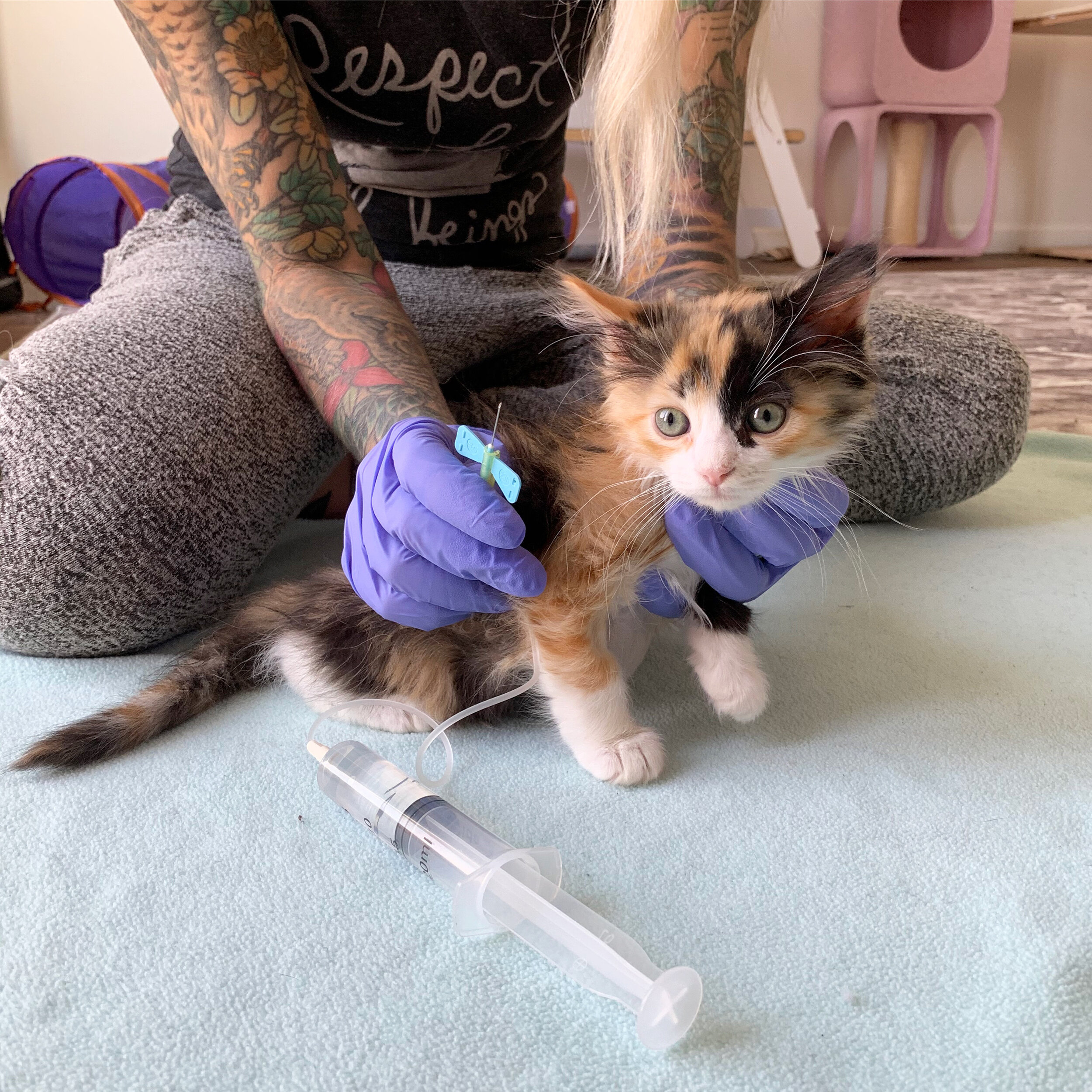
For many cat owners, learning to administer subcutaneous fluids at home is a rewarding and essential skill. It empowers them to provide consistent care and improve their cat’s quality of life. Here’s a breakdown of the process:
What You’ll Need:
- Sterile IV Fluid Bag: Usually Lactated Ringer’s Solution (LRS) or 0.9% Sodium Chloride (Saline). Your vet will prescribe the correct type and volume.
- Fluid Administration Set: This includes tubing with a drip chamber, a roller clamp to control the flow rate, and a needle adapter.
- Sterile Needles: Typically 18-gauge or 20-gauge needles, 1 inch or 1.5 inches long. Your vet will advise on the best size.
- Alcohol Swabs: For cleaning the injection site.
- Clean Towel or Blanket: To help comfort and restrain your cat.
- A Quiet, Comfortable Space: Choose a place where your cat feels safe.
Steps for Administering Subcutaneous Fluids:
- Preparation: Gather all your supplies. Warm the fluid bag by letting it sit at room temperature or wrapping it in a towel for a few minutes. This makes the fluid more comfortable for your cat.
- Prepare the Fluids: Spike the fluid bag with the administration set. Prime the tubing by opening the roller clamp and allowing fluid to flow through the tubing to remove air bubbles. Close the clamp.
- Comfort Your Cat: Gently restrain your cat. Many cats are more comfortable being held on a lap, or on a stable surface like a table or the floor. Speak calmly and pet them. Some owners find it helpful to have another person assist.
- Choose the Injection Site: The best locations for subcutaneous fluids are the loose skin over the back, between the shoulder blades, or along the flanks (sides of the body). Avoid areas with a lot of muscle or bone.
- Clean the Site: Gently lift the skin to create a “tent.” Clean the chosen area with an alcohol swab and let it dry.
- Insert the Needle: Insert the needle smoothly into the tented skin. Aim for a shallow angle, just under the skin. You should feel the needle pass through the skin relatively easily. Important: Do not aspirate (pull back on the syringe or plunger) as you would with an injection. You are injecting into the subcutaneous space, not a vein.
- Administer the Fluids: Open the roller clamp on the administration set. Adjust the clamp to control the flow rate. You want a steady drip, not a rapid flow. You’ll see a visible “bubble” forming under the skin as the fluid enters the space.
- Monitor: Keep an eye on your cat. If they seem distressed, slow the flow or pause for a moment. The fluid should distribute evenly under the skin.
- Remove the Needle: Once the prescribed amount of fluid has been given, close the roller clamp. Gently withdraw the needle.
- Aftercare: Gently massage the fluid-filled area to help it distribute. Offer your cat a treat or some praise. Most cats tolerate this well and may even seem more alert or comfortable afterwards.
Tips for Success:
- Stay Calm: Your cat will pick up on your stress.
- Be Gentle and Quick: The faster and more comfortable you are, the less your cat will mind.
- Positive Reinforcement: Treats and praise go a long way.
- Practice: The more you do it, the easier it becomes for both you and your cat.
- Consult Your Vet: If you’re unsure about any step, don’t hesitate to call your veterinarian. They can demonstrate the technique and answer any questions.
How Long Can A Cat Live on Subcutaneous Fluids? Factors Influencing Longevity
The duration a cat can thrive on subcutaneous fluids is highly variable. Let’s delve into the specific factors that impact this:
1. The Underlying Condition
- Chronic Kidney Disease (CKD): This is arguably the most common reason for long-term subcutaneous fluid therapy. Cats with CKD often live for months to several years after starting fluids. The fluids help maintain hydration, flush toxins, support kidney function, and improve overall well-being. The rate of progression of CKD is the primary determinant of lifespan.
- Diabetes Mellitus: While insulin is the primary treatment, fluids can help manage dehydration associated with poorly controlled diabetes. Lifespan depends on how well the diabetes is managed and whether complications arise.
- Gastrointestinal Issues: For cats with chronic vomiting or diarrhea that cannot be managed with oral intake, subcutaneous fluids can provide vital cat rehydration. The duration of therapy depends on the underlying cause of the GI issues and whether it can be resolved or managed long-term.
- Other Illnesses: Cats with hyperthyroidism, liver disease, pancreatitis, or certain cancers may receive fluids as supportive care. The prognosis and lifespan will be dictated by the severity and treatability of these primary conditions.
2. Hydration Status and Responsiveness
- Effective Rehydration: If the fluids are effectively combating cat dehydration and restoring normal bodily functions, the cat is more likely to have a better quality of life and potentially a longer lifespan.
- Nutritional Support: Fluids are only part of the picture. A cat also needs adequate nutrition. If the cat can still eat or is on a specialized diet, their chances of maintaining health are better.
3. Age and General Health
- Younger Cats: A younger cat with a chronic illness managed by fluids may live a much longer life compared to an elderly cat with multiple age-related ailments.
- Concurrent Health Issues: The presence of other diseases or conditions can significantly impact how long a cat can live, even with supportive fluid therapy.
4. Consistency of Treatment
- Adherence to Schedule: Regularly administering fluids as prescribed by the veterinarian is crucial. Skipping or delaying treatments can lead to a decline in the cat’s condition.
- Monitoring: Closely monitoring the cat for any changes in appetite, energy levels, or signs of discomfort allows for timely adjustments to the treatment plan.
Table 1: Estimated Lifespan with Subcutaneous Fluids (Illustrative Purposes Only)
| Condition | Typical Duration of Benefit (Months to Years) | Key Factors Affecting Longevity |
|---|---|---|
| Early Stage CKD | 1-5+ years | Rate of kidney function decline, diet, other health issues |
| Moderate Stage CKD | 6 months – 2 years | Hydration levels, appetite, management of complications |
| Advanced Stage CKD | Weeks – months | Overall body condition, comfort level, response to supportive care |
| Chronic GI Issues | Variable (depends on cause) | Ability to maintain nutrition, resolution of underlying problem |
| Post-Surgery Support | Weeks – months | Type of surgery, recovery progress, prevention of infection |
| Terminal Illness Support | Weeks – months | Focus on comfort and quality of life, pain management |
It is vital to remember that these are general estimates. Your veterinarian is the best resource for predicting your individual cat’s prognosis.
Common Concerns and Troubleshooting
When administering subcutaneous fluids to cats, owners might encounter a few issues.
- Fluid Leakage: If the needle is not inserted correctly or the skin is too thin, fluid might leak back out. Ensure you are creating a good skin tent and inserting the needle shallowly.
- Bruising or Swelling: Mild bruising or swelling at the injection site is common and usually resolves on its own. If it’s severe, persistent, or shows signs of infection (redness, heat, pus), contact your vet.
- Cat Discomfort: Some cats tolerate fluids better than others. Try different positions, use treats, and ensure the fluid is at room temperature. If your cat is highly resistant, discuss options with your vet.
- Needle Dislodgement: Ensure the needle is securely attached to the tubing and firmly inserted into the skin tent.
When to Seek Veterinary Advice
It’s crucial to maintain open communication with your veterinarian. Contact them if:
- You are unsure about any aspect of fluid administration.
- Your cat develops severe swelling, redness, heat, or discharge at the injection site.
- Your cat becomes lethargic, refuses food, or shows signs of increased distress.
- You notice a significant change in their appetite, thirst, or urination patterns.
- You have any concerns about their overall well-being.
Conclusion: Supporting Your Cat’s Health
Subcutaneous fluids are a remarkable tool in veterinary medicine, offering a lifeline for cats suffering from dehydration and various illnesses. While the question of “how long can a cat live on subcutaneous fluids?” hinges on many variables, the therapy itself provides a crucial means to support a cat’s hydration, manage symptoms, and improve their quality of life. By working closely with your veterinarian and providing consistent, compassionate care, you can help your feline companion live as comfortably and for as long as possible, even when facing health challenges. The ability to provide cat rehydration at home through subcutaneous fluids for cats can significantly contribute to their well-being and extend their happy time with you.
Frequently Asked Questions (FAQ)
Q1: Can my cat get an infection from subcutaneous fluids?
A1: While it’s possible, infections at the injection site are rare if proper sterile technique is followed. Always clean the skin before injecting and use sterile needles and equipment. If you notice redness, swelling, heat, or discharge, contact your vet immediately.
Q2: How often should I give my cat subcutaneous fluids?
A2: This depends entirely on your cat’s medical condition and your veterinarian’s recommendations. Some cats might need fluids daily, while others might only require them every few days. Always follow your vet’s prescribed schedule.
Q3: What are the signs my cat is still dehydrated even with fluids?
A3: Signs of continued dehydration can include sunken eyes, dry gums, decreased skin elasticity (if you gently pinch the skin on their back, it doesn’t snap back quickly), lethargy, and reduced appetite. If you notice these signs, contact your veterinarian.
Q4: Can I use regular bottled water for my cat’s fluids?
A4: No. Only use sterile fluids prescribed by your veterinarian, such as Lactated Ringer’s Solution or 0.9% Sodium Chloride. Tap water or bottled water is not sterile and can introduce bacteria or cause electrolyte imbalances.
Q5: My cat hates getting fluids. What can I do?
A5: Patience and positive reinforcement are key. Try administering fluids when your cat is sleepy or relaxed. Offer high-value treats before, during, and after. Some owners find that wrapping their cat in a towel like a “burrito” helps them feel more secure. If resistance is extreme, discuss alternative methods or sedation options with your vet.
Q6: How do I know if the fluids are being absorbed?
A6: You should see a noticeable swelling or “bubble” under the skin where the fluid is being injected. This bubble should gradually dissipate as the fluid is absorbed. If the swelling remains very large or painful, or doesn’t seem to go away, consult your vet.