
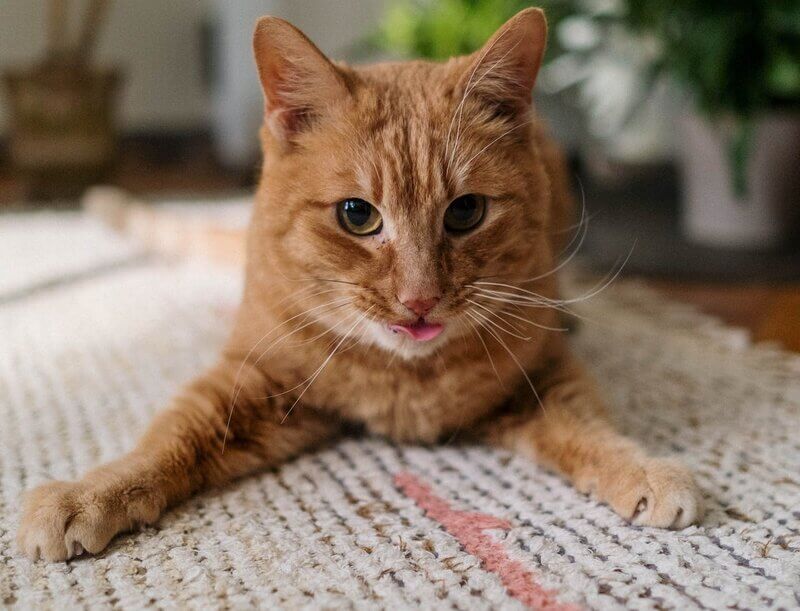
Image Source: www.catster.com
Why Is My Cat Licking The Carpet? (Reasons Explained & Solutions)
If you’re a cat owner, you’ve likely witnessed your feline friend engaging in the peculiar behavior of licking the carpet. Cats lick the carpet for various reasons, ranging from stress and anxiety to underlying medical conditions like gastrointestinal issues or pica. This behavior, often referred to as cat eating carpet or carpet chewing cat, can be a cause for concern for many pet parents. It’s important to decipher why your cat is licking fibers and address the root cause to ensure their well-being.
Deciphering the Root Causes of Carpet Licking
Cats are complex creatures with a wide array of behaviors, and carpet licking is just one of the many mysteries they present. Let’s delve into the common reasons behind this unusual habit.
1. Stress and Anxiety: A Feline’s Coping Mechanism
Cat anxiety carpet is a significant factor contributing to carpet licking. Cats, much like humans, experience stress and anxiety. When faced with changes in their environment, such as a new pet, a move, loud noises, or even a shift in their owner’s routine, cats can become unsettled. Carpet licking, or compulsive licking cat behavior, can serve as a self-soothing mechanism, helping them to calm down and cope with these feelings.
- Environmental Triggers:
- New pets in the household.
- Moving to a new home.
- Loud noises (thunderstorms, fireworks, construction).
- Changes in the household schedule.
- Lack of adequate stimulation or enrichment.
- Social Triggers:
- Conflict with other pets.
- Feeling neglected by their owner.
- Introduction of a new family member (baby, partner).
- Manifestations of Anxiety: Beyond licking, anxious cats might exhibit other behaviors like hiding, excessive grooming, spraying, or aggression.
2. Pica: The Compulsion to Eat Non-Food Items
Pica in cats is a condition where a cat compulsively eats or chews on non-food items. Carpet chewing cat is a common manifestation of this disorder. While the exact causes of pica are not always clear, it can be linked to nutritional deficiencies, medical conditions, or psychological issues. Cat pica behavior needs to be taken seriously as it can lead to serious health problems if the ingested material causes blockages or toxicity.
- Nutritional Deficiencies: In some cases, cats may develop pica if their diet lacks essential nutrients. While modern cat foods are generally well-balanced, certain digestive issues might prevent proper nutrient absorption.
- Medical Conditions: Pica can sometimes be a symptom of underlying health problems such as:
- Cat gastrointestinal issues: Conditions like inflammatory bowel disease (IBD), parasites, or even certain cancers can trigger unusual eating habits.
- Anemia.
- Neurological disorders.
- Dental problems.
- Behavioral and Psychological Factors: Stress, boredom, and obsessive-compulsive disorder (OCD) can also lead to pica.
3. Boredom and Lack of Stimulation
A bored cat is an unhappy cat, and their boredom can manifest in various ways, including carpet licking. If your cat doesn’t have enough outlets for their natural instincts, such as hunting, playing, and exploring, they might turn to less desirable activities to entertain themselves. Why cat eats non-food can sometimes be as simple as a lack of engaging toys or opportunities for mental stimulation.
- Insufficient Playtime: Cats require daily interactive play to mimic hunting behaviors and release pent-up energy.
- Lack of Environmental Enrichment: A sterile environment with no climbing structures, scratching posts, or windows to observe the outside world can lead to boredom.
- Solitary Confinement: Cats that are left alone for long periods without adequate stimulation can develop behavioral issues.
4. Medical Conditions: The Hidden Culprits
Sometimes, the seemingly innocent act of licking the carpet can signal a more serious underlying medical issue. It’s crucial not to overlook the possibility of cat gastrointestinal issues or other health problems.
- Gastrointestinal Upset: Nausea or discomfort in the stomach can lead cats to lick surfaces. They might be trying to soothe an upset stomach or even self-medicate in a way that feels natural to them.
- Dental Problems: Pain in the mouth, due to gingivitis, tooth decay, or other dental issues, can cause a cat to lick or chew on things as a way to alleviate discomfort.
- Allergies or Sensitivities: Some cats might lick the carpet due to an allergy to something on or in the carpet fibers, or even an allergic reaction to something they’ve eaten. The licking might be an attempt to relieve itching or a reaction to an irritant.
- Neurological Issues: In rare cases, neurological problems can influence a cat’s behavior, leading to compulsive actions like carpet licking.
5. Texture and Scent Attraction
Cats are sensory creatures, and sometimes they are simply attracted to the texture or scent of the carpet. They might enjoy the feel of the fibers on their tongue or find a particular scent appealing. This is often the case with wool carpets, which can contain lanolin, a substance that some cats find attractive.
- Wool Licking: Lanolin, a natural oil found in wool, can be particularly appealing to cats. If you have wool carpets, this might be the reason for the licking.
- Other Scent Attraction: Residual scents from cleaning products, food spills, or even outdoor scents tracked in on shoes could also draw a cat’s attention to the carpet.
6. Learned Behavior
Occasionally, a cat might start licking the carpet as a response to one of the reasons above, and if they receive attention (even negative attention) for it, they might continue the behavior because they associate it with interaction.
Identifying the Cause: A Detective’s Approach
To effectively address your cat’s carpet licking, you first need to determine the underlying reason. This requires careful observation and potentially some detective work.
Observing Your Cat’s Behavior
Pay close attention to when and how your cat licks the carpet.
- Timing: Does it happen after a stressful event? Before or after eating? When they’re alone?
- Duration and Intensity: Is it a quick lick, or are they persistently grooming the carpet fibers?
- Other Symptoms: Are there any other changes in their behavior, appetite, litter box habits, or physical appearance?
Creating a Behavior Log
Keeping a log of your cat’s carpet licking incidents can be incredibly helpful. Note down:
| Date | Time | Location of Carpet | Duration of Licking | Preceding Events (e.g., visitor, noise) | Other Behaviors Observed (e.g., restlessness, hiding) |
|---|---|---|---|---|---|
| [Date] | [Time] | [Location] | [Duration] | [Events] | [Other Behaviors] |
| [Date] | [Time] | [Location] | [Duration] | [Events] | [Other Behaviors] |
This log can reveal patterns that might not be obvious from casual observation and will be invaluable information for your veterinarian.
Ruling Out Medical Issues First
It’s paramount to consult with your veterinarian to rule out any underlying medical conditions.
- Veterinary Examination: Your vet will perform a physical examination, ask about your cat’s history, and may recommend diagnostic tests such as blood work, fecal exams, or X-rays.
- Dietary Review: Discuss your cat’s current diet with your vet to ensure it’s nutritionally complete and appropriate for their life stage and health status.
- Dental Check: A thorough dental examination can identify any oral discomfort contributing to the behavior.
Solutions and Strategies for Stopping Carpet Licking
Once you have a better grasp of why your cat is licking the carpet, you can implement targeted solutions.
Addressing Stress and Anxiety
If stress or anxiety is the culprit, creating a more peaceful and secure environment is key.
- Provide Safe Havens: Ensure your cat has quiet, secluded places where they can retreat and feel safe, such as cozy beds or covered perches.
- Establish a Routine: Cats thrive on routine. Consistent feeding times, playtime, and interaction can reduce anxiety.
- Environmental Enrichment:
- Vertical Space: Cat trees, shelves, and window perches provide opportunities for climbing and observing.
- Interactive Toys: Puzzle feeders, feather wands, and laser pointers (used responsibly) can provide mental and physical stimulation.
- Scratching Posts: Offer a variety of scratching surfaces (vertical, horizontal, different materials) to satisfy their natural urge to scratch and mark.
- Calming Aids:
- Feliway Diffusers: These release synthetic feline facial pheromones that can have a calming effect on cats.
- Calming Supplements: Discuss natural calming supplements (like L-theanine or milk protein derivatives) with your vet.
- Behavioral Modification: Gradual desensitization and counter-conditioning techniques can help your cat overcome specific fears or anxieties. This is often best done with guidance from a certified cat behaviorist.
Managing Pica and Dietary Needs
If pica in cats is diagnosed, or if there’s a suspicion of dietary issues, the approach will be different.
- Dietary Adjustments:
- High-Quality Diet: Ensure your cat is on a balanced, high-quality diet.
- Fiber Supplementation: In some cases, adding fiber to the diet might help if the pica is related to digestive issues or a perceived need for roughage. Consult your vet.
- Digestible Alternatives: If your vet suspects nutritional deficiencies, they may recommend specific dietary supplements or a prescription diet.
- Preventing Access: While not a solution, physically preventing your cat from accessing the carpet (if it’s a specific problematic area) might be necessary in the short term.
- Providing Appropriate Chewing Outlets: Offer safe and appealing chewing alternatives, such as dental treats, cat grass, or durable chew toys.
Combating Boredom and Lack of Stimulation
A stimulated cat is a happy cat.
- Daily Play Sessions: Aim for at least two 15-minute interactive play sessions per day.
- Toy Rotation: Keep toys interesting by rotating them regularly so your cat doesn’t get bored.
- Window Views: Provide access to windows where your cat can watch birds and the outside world. Consider placing a bird feeder outside a window for added entertainment.
- Puzzle Feeders: These make mealtime a more engaging activity, requiring your cat to work for their food.
Addressing Medical Concerns
If a medical condition is identified, follow your veterinarian’s treatment plan diligently. This might involve medications, dietary changes, or specific therapies.
Deterrents for Carpet Licking
While not a primary solution, deterrents can be used in conjunction with other strategies.
- Unpleasant Smells: Cats often dislike citrus scents. You can try placing orange peels or using pet-safe citrus sprays (test in an inconspicuous area first).
- Unpleasant Textures: Placing double-sided sticky tape or aluminum foil on the carpeted area can deter some cats due to the texture.
- Bitter Sprays: Pet-safe bitter sprays can make the carpet taste unappealing. Always test these on a small area to ensure they don’t stain.
When to Seek Professional Help
While many instances of carpet licking can be managed at home with simple adjustments, there are times when professional intervention is necessary.
- Persistent or Worsening Behavior: If the carpet licking continues or escalates despite your efforts, it’s time to seek professional help.
- Signs of Distress or Illness: If your cat shows any signs of illness, such as vomiting, diarrhea, lethargy, weight loss, or changes in appetite, contact your veterinarian immediately.
- Self-Harm: If the licking causes skin irritation, raw patches, or hair loss, veterinary attention is crucial.
- Suspected Pica: If you suspect your cat is ingesting carpet fibers, which could lead to intestinal blockages, immediate veterinary care is essential.
- Severe Anxiety or Compulsive Behavior: For deeply ingrained anxiety or compulsive behaviors, consulting a certified cat behaviorist or a veterinary behaviorist can provide specialized strategies and support.
Frequently Asked Questions (FAQ)
Q1: Is it normal for cats to lick carpet?
A1: While occasional licking might occur, persistent or obsessive carpet licking is not considered normal and usually indicates an underlying issue, whether behavioral or medical.
Q2: Can I stop my cat from licking the carpet by spraying water on them?
A2: While a spray of water might startle your cat away from the carpet temporarily, it’s generally not an effective long-term solution for compulsive behaviors like carpet licking. It can also increase anxiety and damage your bond with your cat. Addressing the root cause is more effective.
Q3: My cat is eating carpet fibers. Is this dangerous?
A3: Yes, ingesting carpet fibers can be dangerous. It can lead to intestinal blockages, which may require surgery. If you notice your cat eating carpet fibers, it’s crucial to consult your veterinarian immediately. This is a key concern for why cat eats non-food.
Q4: My vet said my cat has pica. What does that mean for their carpet licking?
A4: Pica is the compulsion to eat non-food items. If your cat has pica, their carpet licking could be a manifestation of this disorder. Your vet will work with you to determine the cause of the pica and recommend appropriate treatment, which might involve dietary changes, medical management, or behavioral therapy.
Q5: My cat licks the carpet when I’m not home. Why?
A5: This behavior when you’re not home could indicate separation anxiety or boredom. Cats might lick the carpet as a coping mechanism for loneliness or lack of stimulation during your absence. Providing more enrichment and a routine before you leave can help.
Conclusion
The habit of cat licking the carpet can be a perplexing issue for cat owners, but by diligently investigating the potential causes, you can significantly improve your feline companion’s quality of life. Whether the behavior stems from stress, boredom, underlying medical conditions like cat gastrointestinal issues or pica in cats, or simply a sensory preference, a multifaceted approach combining veterinary care, environmental enrichment, and behavioral adjustments will pave the way to a healthier, happier cat. Always remember that your veterinarian is your most valuable resource in diagnosing and treating any health-related concerns that might be driving this unusual behavior.