
Can you stop cat fur shedding entirely? No, you cannot completely stop a cat from shedding, as it’s a natural biological process. However, you can significantly minimize cat hair and control its build-up in your home, making life much easier for both you and your feline friend.
Living with a cat is a joy, but the constant battle against shedding fur can feel overwhelming. Cat hair seems to find its way onto every surface, from your favorite sweater to the furniture you just cleaned. If you’re tired of vacuuming daily and constantly using a lint roller, this guide is for you. We’ll delve into effective strategies to manage shedding, promote a healthy cat coat, and tackle that pesky fur build-up.
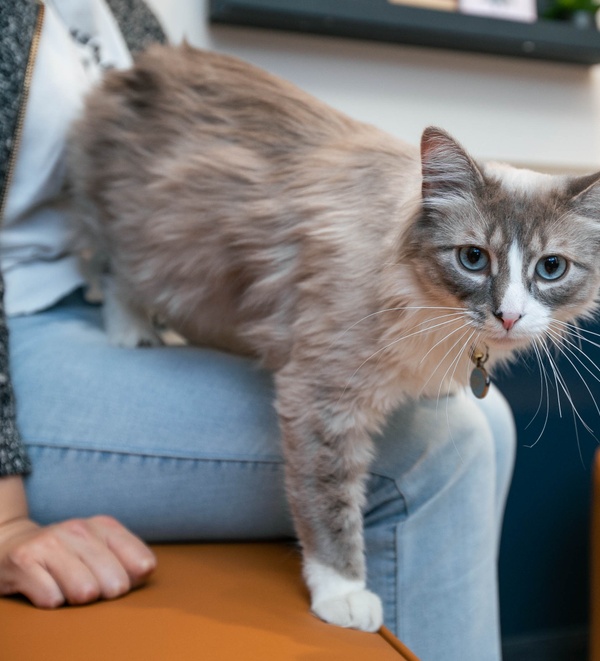
Image Source: bondvet.com
Why Do Cats Shed?
Fathoming why cats shed is the first step to managing it. Shedding is a normal, healthy process where cats naturally lose old, damaged, or dead hair to make way for new growth. The amount and timing of shedding can be influenced by several factors:
- Breed: Some breeds are genetically predisposed to shed more than others. For instance, long-haired breeds like Persians and Maine Coons will naturally shed more volume of hair compared to short-haired breeds like Siamese cats.
- Season: Many cats experience seasonal shedding, often more intensely in the spring and fall. This helps them adapt to changing temperatures – shedding thicker coats in the fall to prepare for winter and shedding that winter coat in the spring to cool down for summer.
- Health: Underlying health issues can significantly impact shedding. Poor nutrition, allergies, parasites (like fleas or mites), hormonal imbalances, and stress can all lead to excessive shedding.
- Grooming Habits: A cat’s own grooming habits play a role. While cats are meticulous groomers, sometimes their own efforts aren’t enough to remove loose fur, especially in long-haired cats or older cats with mobility issues.
Essential Cat Grooming Techniques for Shedding Control
Effective cat grooming is the cornerstone of shedding control. Regular grooming not only helps remove loose fur before it ends up on your floors and furniture but also keeps your cat’s coat healthy and shiny.
Frequent Brushing: Your Best Weapon Against Fur
Frequent brushing is arguably the most impactful action you can take. It physically removes loose hairs from your cat’s coat, preventing them from shedding naturally around your home.
-
How Often Should You Brush?
- Short-haired cats: Aim for at least 2-3 times a week.
- Long-haired cats: Daily brushing is often necessary to prevent matting and manage shedding effectively.
-
Choosing the Right Brush: The type of brush you use is crucial. Different coat types require different tools.
Brush Type Best For How It Works Slicker Brush Medium to long-haired cats Fine, short wires close together; effective at removing loose undercoat and surface hair without pulling. Bristle Brush Short-haired cats, long-haired cats Soft bristles; good for removing light shedding and distributing natural oils for a shiny coat. Pin Brush Long-haired cats Longer pins, spaced further apart; good for detangling and removing loose hair from the outer coat. Deshedding Tool All coat types, especially double-coated Features a specialized blade designed to gently remove loose undercoat hairs without cutting the topcoat. Grooming Glove All coat types, especially short-haired Mimics petting; rubber or silicone nubs capture loose fur as you stroke your cat. Great for reluctant groomers.
The Power of the Deshedding Brush
A deshedding brush is a game-changer for managing significant shedding. These tools are specifically designed to reach the undercoat, where much of the loose, dead hair resides. Using a deshedding tool correctly, typically once or twice a week during peak shedding seasons, can dramatically reduce the amount of fur floating around your home.
- Using a Deshedding Tool Safely:
- Start gently. Allow your cat to get used to the tool.
- Brush in the direction of hair growth.
- Avoid pressing too hard, as this can irritate the skin.
- Focus on areas where shedding is most prominent.
- Don’t overdo it; once or twice a week is usually sufficient.
Bathing Your Cat: A Less Frequent But Effective Method
While most cats are excellent self-groomers and don’t require frequent baths, an occasional bath can be very effective for removing loose fur.
- When to Bathe: Only bathe your cat when necessary – if they get particularly dirty, have skin issues, or during heavy shedding periods. Over-bathing can strip natural oils from their skin and coat, leading to dryness and potential skin problems.
- Cat-Specific Shampoos: Always use a shampoo formulated specifically for cats. Human shampoos have the wrong pH balance and can be harmful. Look for moisturizing shampoos that can help promote a healthy cat coat.
- The Bathing Process:
- Brush your cat thoroughly before the bath to remove as much loose fur as possible.
- Use lukewarm water and a non-slip mat in the tub.
- Gently wet your cat’s fur, avoiding their face and ears.
- Apply shampoo and lather gently.
- Rinse thoroughly. Any remaining shampoo can cause skin irritation.
- Towel dry your cat. Avoid using a hairdryer unless it’s a pet-specific, low-heat model, as the noise and heat can be frightening.
- Brush again once they are mostly dry.
Nutrition for a Healthy Cat Coat and Reduced Shedding
What you feed your cat directly impacts the health of their skin and coat, and consequently, the amount they shed. A balanced diet rich in essential nutrients is vital for shedding control.
The Importance of a Balanced Diet
A high-quality diet provides the building blocks for a healthy coat. Key nutrients include:
- Proteins: Hair is made primarily of protein (keratin). A diet deficient in protein can lead to poor coat quality and increased shedding.
- Omega-3 and Omega-6 Fatty Acids: These essential fatty acids are crucial for skin and coat health. They help keep the skin moisturized and reduce inflammation, leading to a stronger, less brittle coat that sheds less.
- Vitamins and Minerals: Vitamins A, E, and B-complex, as well as zinc and copper, play important roles in hair growth and skin health.
Cat Food for Shedding: What to Look For
When selecting cat food for shedding, prioritize formulas that are:
- High in animal-based protein: Look for named meat sources (chicken, salmon, turkey) as the first ingredient.
- Enriched with Omega Fatty Acids: Many premium cat foods now include added omega-3 and omega-6 fatty acids. You can also supplement with fish oil, but always consult your veterinarian first.
- Free from artificial fillers and by-products: These can contribute to poor nutrient absorption and skin issues.
- Hypoallergenic options: If you suspect allergies are contributing to shedding, consider limited ingredient or hypoallergenic formulas.
Table: Nutrient Impact on Cat Coat Health
| Nutrient | Role in Coat Health | Signs of Deficiency (Potentially increased shedding) |
|---|---|---|
| Protein | Building block for hair (keratin), supports hair growth. | Brittle hair, slow regrowth, increased shedding. |
| Omega-3 Fatty Acids | Anti-inflammatory, maintains skin barrier function. | Dry, flaky skin, dull coat, increased shedding. |
| Omega-6 Fatty Acids | Essential for skin barrier, regulates inflammation. | Dry skin, poor coat luster, potential shedding. |
| Vitamin A | Cell growth and differentiation, sebum production. | Dry skin, dull coat, scaling, hair loss. |
| Vitamin E | Antioxidant, protects cell membranes. | Dull coat, dry skin. |
| B Vitamins (Biotin) | Metabolism of fats and proteins, crucial for hair growth. | Poor coat quality, hair loss. |
| Zinc | Enzyme cofactor for protein and carbohydrate metabolism. | Dry, flaky skin, poor coat, hair loss. |
| Essential Fatty Acids | Maintain skin hydration and elasticity, reducing breakage. | Dry, unhealthy coat prone to shedding. |
Hydration is Key
Ensure your cat has access to fresh, clean water at all times. Dehydration can lead to dry skin and a dull, brittle coat, which can exacerbate shedding. Some cats prefer running water, so a pet drinking fountain might encourage better hydration.
Natural Cat Shedding Remedies and Supplements
Beyond diligent grooming and a good diet, some natural cat shedding remedies and supplements can support your cat’s coat health.
Omega Fatty Acid Supplements
As mentioned, omega-3 and omega-6 fatty acids are vital. You can supplement your cat’s diet with:
- Fish Oil: Rich in EPA and DHA (types of omega-3s). Ensure it’s a high-quality product specifically for pets, and always follow dosage recommendations from your veterinarian.
- Flaxseed Oil: Another source of omega-3s, though cats are less efficient at converting ALA (found in flaxseed) to EPA and DHA compared to dogs.
- Coconut Oil: Contains medium-chain triglycerides (MCTs) which can be beneficial for skin and coat. A small amount (1/4 teaspoon per day for an average-sized cat) can be mixed into their food.
Always consult your veterinarian before introducing any new supplements to your cat’s diet. They can help you determine the right dosage and ensure there are no contraindications with existing health conditions or medications.
Coconut Oil for Topical Use
A small amount of virgin coconut oil can be gently massaged into your cat’s coat during grooming sessions. It acts as a natural conditioner, helping to moisturize the skin and coat, which can minimize cat hair loss due to dryness and brittleness.
Herbs and Botanicals
Certain herbs can also support skin and coat health. These are often found in specialized pet supplements. Some commonly used ingredients include:
- Borage Oil: Rich in GLA (gamma-linolenic acid), an omega-6 fatty acid that helps reduce inflammation and improve skin health.
- Rosehip: Contains vitamin C and essential fatty acids that support skin repair.
Again, veterinary consultation is crucial when considering herbal remedies for your cat.
Addressing the Fur Build-up: Minimizing Cat Hair in Your Home
Even with the best grooming practices, some level of shedding is inevitable. The key is to minimize cat hair build-up in your living space.
Regular Cleaning Routines
Consistency is your ally in the war against fur.
- Vacuuming: Invest in a good quality vacuum cleaner with strong suction and a pet hair attachment. Vacuuming carpets, upholstery, and even hard floors regularly will make a huge difference. Aim for at least twice a week, or daily in high-traffic areas.
- Lint Rollers for Pets: Keep lint roller for pets handy by doors, on furniture, and in your car. These are quick and effective for removing fur from clothing and upholstery between deeper cleans. Look for extra-sticky versions designed for pet hair.
- Microfiber Cloths: Use damp microfiber cloths to wipe down surfaces like furniture, walls, and baseboards. The electrostatic charge of the damp cloth will attract and trap fur.
- Wash Pet Bedding Regularly: Cat beds, blankets, and any fabric your cat frequently uses should be washed weekly in hot water to kill dust mites and remove fur.
Furniture and Flooring Choices
Making informed choices about your home’s furnishings can also help.
- Upholstery: Leather or tightly woven synthetic fabrics are generally easier to clean and resist fur clinging to them compared to loose weaves or velvet.
- Flooring: Hardwood, tile, or laminate flooring are easier to sweep and mop than wall-to-wall carpeting, which traps fur and dander. If you have carpets, consider area rugs that can be more easily cleaned or replaced.
Air Purifiers
Good air purifiers with HEPA filters can capture airborne fur and dander, improving air quality and reducing the amount of fur that settles on surfaces. This can also be a significant benefit for cat allergy solutions.
Environmental Factors and Stress
Sometimes, increased shedding can be linked to environmental stressors.
- Stress: Changes in routine, new pets, loud noises, or even boredom can stress cats and lead to shedding. Providing a stable environment, plenty of enrichment (toys, climbing structures), and positive interaction can help.
- Temperature and Humidity: Extreme temperatures or dry air can affect your cat’s skin and coat. Maintaining a comfortable indoor temperature and humidity level can be beneficial.
Special Considerations for Different Breeds and Life Stages
- Long-haired breeds: Require more intensive grooming. Matting can occur quickly and needs to be addressed with regular brushing and sometimes professional grooming.
- Older cats: May have reduced mobility, making it harder for them to groom themselves effectively. This can lead to matting and increased shedding. Gentle, frequent brushing is especially important for senior cats.
- Kittens: Shedding in kittens is usually minimal as they develop their adult coat.
- Pregnant or Nursing Cats: Hormonal changes can cause increased shedding.
When to Seek Veterinary Advice
While shedding is normal, excessive or sudden changes in shedding patterns warrant a visit to your veterinarian.
Signs of Potential Health Issues:
- Patchy hair loss: Bald spots or thinning fur in specific areas.
- Excessive scratching or licking: Indicating skin irritation, allergies, or parasites.
- Skin redness, inflammation, or sores: Signs of infection or irritation.
- Dull, brittle, or greasy coat: Despite regular grooming.
- Sudden increase in shedding: Beyond what is typical for your cat’s breed and season.
Your vet can rule out underlying medical conditions such as:
- Parasites (fleas, mites)
- Fungal infections (ringworm)
- Bacterial infections
- Allergies (food or environmental)
- Hormonal imbalances
- Nutritional deficiencies
- Stress-related alopecia
Frequently Asked Questions (FAQ)
Q1: How much shedding is normal for a cat?
A1: It’s normal for cats to shed some hair every day. The amount varies greatly by breed, season, and individual cat. Long-haired cats naturally shed more volume of hair than short-haired cats. Seasonal changes, typically spring and fall, often trigger more significant shedding as cats adapt their coats to temperature changes.
Q2: Can I use a human brush on my cat?
A2: It’s best to use grooming tools specifically designed for cats. Human brushes may not be suitable for a cat’s fur and skin type and could cause discomfort or damage. Specialized deshedding brush tools and slicker brushes are effective for removing loose fur.
Q3: My cat sheds a lot. Is it my fault?
A3: Shedding is a natural process, so it’s not usually anyone’s “fault.” However, your cat’s diet, grooming routine, and overall health can influence the amount of shedding. Ensuring a high-quality diet, regular cat grooming, and addressing any underlying health concerns can help manage shedding.
Q4: Are there any breeds that don’t shed?
A4: While no cat is entirely hairless or completely stops shedding, some breeds shed significantly less than others. These are often referred to as “hypoallergenic” breeds, though no cat is truly allergen-free. Examples include the Sphynx (which still has fine downy hair), Devon Rex, and Cornish Rex.
Q5: How can I quickly remove cat hair from my clothes?
A5: A lint roller for pets is your best friend for quick touch-ups. For more stubborn fur, try dampening your hands or a rubber glove and wiping the fabric; the hair will often clump together. Putting clothes in the dryer on a no-heat setting with a dryer sheet for 10-15 minutes can also loosen fur before washing.
Q6: My cat has dandruff. Does this relate to shedding?
A6: Dandruff, or dry, flaky skin, can sometimes contribute to increased shedding as the hair may become brittle and break or fall out more easily. This could be due to a dry environment, poor diet, or underlying skin conditions. Ensuring your cat has a balanced diet rich in essential fatty acids and maintaining good hydration is important. If the dandruff is persistent or severe, consult your veterinarian.
Q7: Can I give my cat a bath to reduce shedding?
A7: While bathing can temporarily help remove loose fur, it’s not a solution for excessive shedding. Most cats don’t need frequent baths, and over-bathing can strip natural oils, leading to dry skin and potentially more shedding. Regular brushing is a more consistent and effective method for shedding control. If you do bathe your cat, use a cat-specific shampoo and rinse thoroughly.
Q8: What are some good dietary changes for a cat that sheds a lot?
A8: Focus on a high-quality cat food for shedding that is rich in animal protein and essential fatty acids like omega-3 and omega-6. These nutrients support skin and coat health, leading to a stronger, healthier coat that sheds less. Always transition to new food gradually and consult your veterinarian for recommendations.
Q9: How can I make my home less hairy?
A9: To minimize cat hair, implement a consistent cleaning routine. This includes regular vacuuming with a pet-specific vacuum, wiping surfaces with a damp microfiber cloth, and washing pet bedding frequently. Using furniture covers and choosing upholstery materials that don’t attract as much fur can also help. Air purifiers with HEPA filters can also capture airborne fur and dander, contributing to cat allergy solutions.
Q10: Are there natural remedies for cat shedding?
A10: Yes, some natural cat shedding remedies include ensuring proper hydration, using natural conditioners like a small amount of coconut oil topically during grooming, and supplementing their diet with omega fatty acids (fish oil, flaxseed oil) after consulting a vet. Gentle grooming with the right tools is paramount.
By implementing these strategies, you can transform your home from a fur-covered landscape into a cleaner, more comfortable environment for both you and your beloved feline companion. Remember, consistency in grooming and a focus on your cat’s overall health are the most effective ways to minimize cat hair and achieve successful shedding control.