
Can you get rid of cat urine smell in the basement? Yes, you absolutely can! While persistent, cat urine odor in a basement can be a challenging problem, it’s not an insurmountable one. This comprehensive guide will walk you through the steps to effectively tackle that unpleasant smell and reclaim your basement space. We’ll cover everything from initial detection to deep cleaning and prevention.
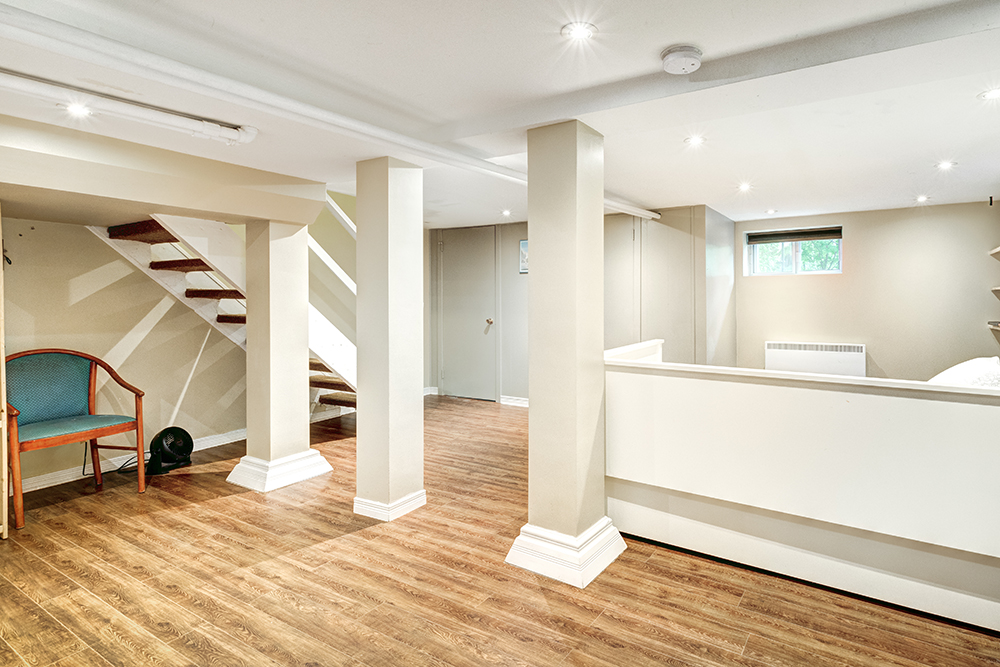
Image Source: www.catster.com
Fathoming the Feline Fiasco: Why Basements?
Basements can become a magnet for cat urine for several reasons. They are often less trafficked, providing a sense of privacy for your feline friend. If there’s an issue with their litter box – perhaps it’s not clean enough, the litter type is wrong, or there’s stress in the household – a cat might seek out alternative, quiet locations. Drafts or dampness in the basement can also contribute to a cat’s preference for this area. Identifying why it’s happening is the first step to preventing future occurrences.
Common Basement Culprits for Cat Urine
- Accessibility: Basements are often easily accessible to cats, especially if a door is left ajar.
- Privacy: For shy or anxious cats, the basement can offer a secluded spot away from household commotion.
- Temperature: Depending on the season, basements might offer cooler or warmer temperatures, appealing to a cat.
- Stress Factors: Changes in the home, new pets, or litter box issues can lead to inappropriate urination outside the designated area.
Locating the Source: The Detective Work
Before you can eliminate the smell, you need to find where the cat has been marking. This is where some detective work comes in. Fresh urine might have a visible wet spot or a strong, noticeable ammonia smell remover. However, older, dried stains are much harder to spot.
The Magic of Black Light Urine Detection
A black light urine detection tool is your best friend in this situation. Cat urine contains certain proteins that fluoresce under UV light.
How to Use a Black Light:
- Darken the Room: Turn off all lights in the basement. Close curtains or blinds to make the space as dark as possible.
- Scan Slowly: Turn on your black light and slowly scan the floors, walls, and even any stored items.
- Look for Glows: Urine stains will typically appear as a yellowish-green or blueish glow.
- Mark the Spots: Once you find a spot, mark it with chalk or a sticky note so you don’t lose track of it.
This method is incredibly effective for pinpointing even old, dried basement urine stain locations that might otherwise go unnoticed.
Beyond the Black Light: Other Clues
- Smell: Trust your nose. Sometimes, the strongest smell indicates the primary area.
- Visual Inspection: Even without a black light, look for discolored patches, especially on concrete, wood, or porous materials.
Tackling the Stain: Cleaning Strategies
Once you’ve located the stained areas, it’s time to get to work. The key is to use the right products and techniques to break down the urine crystals, not just mask the odor.
The Power of Enzymatic Cleaners
Enzymatic cleaner for cat urine is the gold standard for cat odor removal. These cleaners contain beneficial enzymes and bacteria that literally digest the organic waste in urine, breaking down the uric acid crystals that cause the persistent odor.
Why Enzymatic Cleaners Work:
- Breaks Down Uric Acid: Regular cleaners might clean the surface, but they don’t break down the uric acid crystals.
- Eliminates Odor at the Source: Enzymes work to neutralize the odor molecules themselves.
- Prevents Re-Soiling: By removing the odor, it discourages your cat from marking the same spot again.
How to Use an Enzymatic Cleaner:
- Blot Excess Moisture: If the spot is still wet, blot up as much urine as possible with paper towels.
- Saturate the Area: Generously apply the enzymatic cleaner to the stained area. It’s crucial to saturate the spot, especially if it has seeped into porous materials like concrete or wood. The cleaner needs to reach all the areas the urine did.
- Allow Dwell Time: Follow the product instructions for dwell time. This can range from a few minutes to several hours, or even overnight. The enzymes need time to work.
- Blot or Air Dry: Some products recommend blotting after the dwell time, while others suggest allowing the area to air dry completely. Check the label.
- Repeat if Necessary: For stubborn or old stains, you may need to repeat the process.
Other Cleaning Agents and Their Roles
- Vinegar Solution (Natural Cat Urine Odor Control): White vinegar is a natural disinfectant and can help neutralize ammonia odors. Mix equal parts white vinegar and water in a spray bottle. Spray liberally on the affected area, let it sit for 10-15 minutes, then blot dry. While effective for surface odors, it may not fully break down uric acid crystals like an enzymatic cleaner.
- Baking Soda: After cleaning with a vinegar solution or enzymatic cleaner and letting it dry, sprinkle a generous amount of baking soda over the area. Let it sit overnight to absorb residual odors, then vacuum it up.
- Hydrogen Peroxide and Baking Soda Paste: For tough stains on concrete or washable surfaces, a paste of hydrogen peroxide and baking soda can be effective. Apply the paste, let it dry, then scrub and rinse. Always test in an inconspicuous area first, as peroxide can lighten some materials.
What About Ammonia Smell Remover Products?
While you might be tempted by products specifically marketed as ammonia smell remover, be cautious. Ammonia itself is a component of urine. Using ammonia-based cleaners can sometimes reinforce the odor to your cat, potentially encouraging them to mark the same spot again. It’s best to stick with enzymatic cleaners or other odor-neutralizing solutions.
Deep Cleaning Basement Urine: Beyond the Surface
Sometimes, the smell isn’t just on the surface. It can penetrate porous materials like concrete, drywall, subflooring, or even furniture. This requires more intensive cleaning.
Concrete Floors
Concrete is porous, making it a prime culprit for trapping odors.
Steps for Concrete:
- Initial Cleaning: Use a stiff brush and a solution of water and dish soap to scrub the area. Rinse thoroughly.
- Enzymatic Treatment: Apply an enzymatic cleaner for cat urine generously, ensuring it soaks into the concrete. Allow ample dwell time as per the product instructions. You might need to cover the area with plastic wrap to keep it damp and allow the enzymes to work longer.
- Scrubbing and Rinsing: After the recommended dwell time, scrub the concrete again with a stiff brush. Rinse thoroughly with clean water.
- Repeat: Multiple applications of enzymatic cleaner may be necessary to fully eliminate the odor.
- Sealing: Once completely dry and odor-free, consider sealing the concrete with a quality concrete sealer. This will help prevent future absorption of liquids and odors.
Drywall and Studs
If urine has soaked into drywall or even the studs behind it, the situation becomes more complex.
Steps for Drywall:
- Locate: Use your black light to identify the extent of the problem.
- Cut Out and Replace: For severe saturation, the most effective solution is to cut out the affected section of drywall, including any contaminated insulation or wood.
- Clean Studs: If the urine has reached the studs, clean them thoroughly with an enzymatic cleaner. You might also consider a stain-blocking primer on the studs before installing new drywall.
- New Drywall: Install new drywall and finish as usual.
Subflooring and Carpeting
If your basement has carpet or exposed subflooring that has been soiled:
For Carpeting:
- Locate: Use your black light to identify the exact area.
- Blot Thoroughly: Absorb as much moisture as possible.
- Enzymatic Cleaner: Apply a strong enzymatic cleaner for cat urine to the carpet and the padding underneath. You may need to use a wet vac or a carpet cleaner machine to extract the cleaner and the dissolved urine.
- Odor Eliminating Carpet Cleaner: Consider using a specialized odor eliminating carpet cleaner after the enzymatic treatment for an extra layer of odor removal.
- Drying: Ensure the carpet and padding dry completely. Using fans can speed up the process.
- Consider Replacement: If the urine has soaked deeply into the padding or subfloor, replacing the carpet and padding might be the only way to permanently eliminate the smell.
For Subflooring:
- Scrape and Clean: Scrape away any residue. Clean the subfloor thoroughly with an enzymatic cleaner.
- Prime and Seal: Once dry, use a stain-blocking primer and sealer specifically designed for subfloors to lock in any remaining odors before installing new flooring.
Choosing the Right Pet Stain Cleaner
When selecting a pet stain cleaner, prioritize those specifically formulated for pet urine. Look for labels that highlight “enzymatic action” or “odor elimination.”
Key Features to Look For:
- Enzymatic Action: Essential for breaking down uric acid.
- Odor Neutralization: Not just masking, but eliminating the smell.
- Safe for Surfaces: Ensure it’s suitable for your basement flooring and materials.
- Biodegradable: Often a sign of a more environmentally friendly and effective formula.
When DIY Isn’t Enough: Professional Help
In some cases, the cat urine odor can be deeply embedded, especially in older homes or with extensive saturation. If you’ve tried multiple cleaning methods without success, it might be time to call in the professionals.
Professional Services to Consider:
- Carpet Cleaning Services: Many professional carpet cleaners have specialized equipment and solutions for pet odor removal.
- Restoration Companies: For severe damage to subflooring, drywall, or concrete, a restoration company can offer more aggressive solutions like ozone treatment or specialized encapsulation.
Preventing Future Incidents: Proactive Measures
The best way to deal with cat urine smell in the basement is to prevent it from happening in the first place.
Litter Box Management
- Cleanliness is Key: Scoop the litter box at least once daily and do a full litter change and box wash weekly.
- Number of Boxes: The general rule is one litter box per cat, plus one extra.
- Litter Type: Experiment with different types of litter if your cat seems particular.
- Location: Ensure litter boxes are in quiet, accessible locations, away from their food and water bowls.
Addressing Underlying Issues
- Medical Check-up: Sudden changes in urination habits can indicate a medical problem. Consult your veterinarian.
- Behavioral Issues: Stress, anxiety, or territorial marking can lead to inappropriate urination. Consider consulting a feline behaviorist.
- Territorial Marking: If your cat is marking as a territorial issue, you may need to use deterrents or block access to certain areas.
Basement Environment
- Limit Access: If possible, keep basement doors closed to prevent unsupervised access, especially if you know your cat is prone to marking there.
- Make it Less Appealing: Cats often seek out quiet, dark, or damp places. Ensure these areas are less inviting by cleaning them thoroughly and perhaps using deterrents like citrus scents or motion-activated air sprayers (use with caution and monitor your cat’s reaction).
Frequently Asked Questions (FAQ)
Q1: How long does it take for an enzymatic cleaner to work?
A: The effectiveness and time can vary. Most require a dwell time of several hours, and for deeply embedded stains, multiple applications over several days might be needed. Always follow the product’s instructions.
Q2: Can I use bleach to clean cat urine?
A: It’s strongly advised against using bleach. Bleach contains ammonia, which is a component of urine. Mixing bleach with urine can create toxic fumes. Furthermore, bleach does not break down the uric acid crystals, so the odor will likely return.
Q3: My basement smells like cat urine, but I can’t find a spot. What should I do?
A: This often means the urine has seeped into porous materials or is in a hard-to-see location. Utilize a black light urine detection tool in a completely dark room. Also, consider the possibility of the odor being trapped in ventilation systems or on stored items.
Q4: What is a good natural cat urine odor control method?
A: A solution of equal parts white vinegar and water is a good natural option for neutralizing odor on surfaces. Baking soda sprinkled on dry areas can also absorb smells. However, for complete cat odor removal, enzymatic cleaners are generally more effective at breaking down the source of the smell.
Q5: Is it worth investing in a good pet stain cleaner?
A: Absolutely. A quality pet stain cleaner, especially an enzymatic cleaner for cat urine, is an essential tool for effectively dealing with pet accidents. It saves you time, effort, and ultimately, money by preventing the need for more extensive repairs or replacements.
Q6: My cat has started peeing in the basement. How can I stop this?
A: First, rule out any medical issues with a vet visit. Then, focus on litter box hygiene and placement. Consider if there are any stressors in the environment. You might also need to clean the soiled areas thoroughly using an odor eliminating carpet cleaner or enzymatic solution and make the basement less appealing as a potty spot.
By following these detailed steps, you can effectively tackle cat urine odor in your basement and restore a fresh, clean environment. Remember patience and persistence are key!