
Your cat’s sudden bursts of energy, often labeled as “zoomies,” are a common and sometimes bewildering sight, especially when they occur in the dead of night. Why does my cat get the zoomies at night? This feline behavior is usually a combination of their natural instincts, environmental influences, and their internal clock.
Cats are crepuscular, meaning they are most active at dawn and dusk. While many domesticated cats adapt to human schedules, their innate feline nocturnal activity patterns can still surface, leading to nighttime bursts of energy. This isn’t necessarily a sign of a problem, but rather a glimpse into your cat’s ancient wiring.
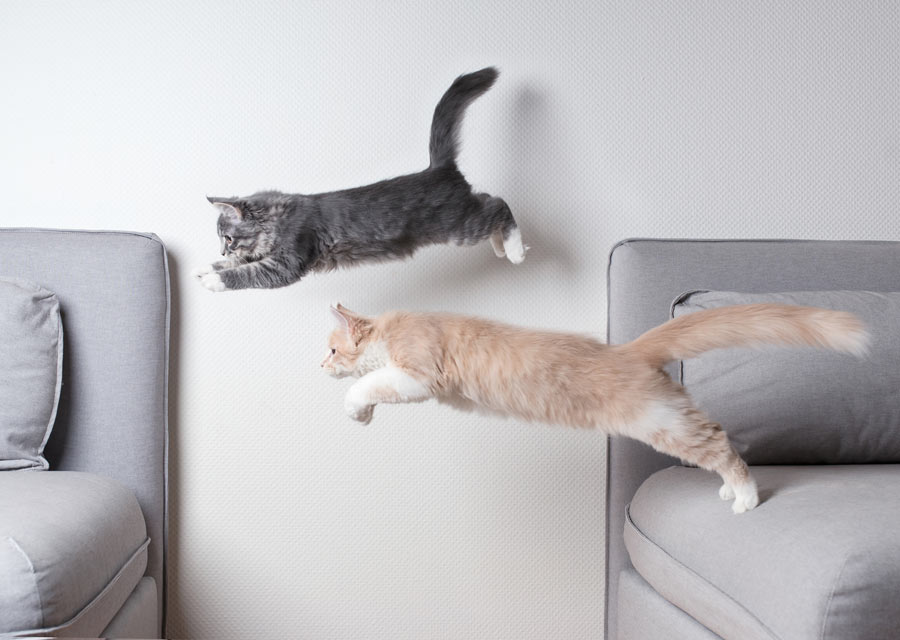
Image Source: www.catscratching.com
The Science Behind the Midnight Mayhem
The common question, “Why does my cat get the zoomies at night?” can be answered by looking at a cat’s biology and behavior. Cats are naturally wired for activity during specific times.
Feline Circadian Rhythms and Activity Peaks
Cats possess their own internal clocks, known as circadian rhythms. These rhythms dictate their sleep-wake cycles and, importantly, their periods of highest activity. For many cats, especially those with less outdoor exposure or fewer stimulating daytime activities, these peaks can align with the quieter hours of the evening and early morning.
This can lead to cat hyperactivity evening patterns, where they might seem relatively calm during the day but become energetic as the household winds down. The “zoomies” are simply an outward expression of this internal energy build-up.
The Role of Light and Darkness
While cats have excellent night vision, they are not strictly nocturnal. Their activity is often influenced by the available light. As daylight fades, many cats naturally become more alert and ready to engage in hunting-like behaviors, which the zoomies often mimic. The stillness and quiet of the night can amplify their senses, making them feel more prepared to “hunt” imaginary prey.
Deciphering the Reasons for Cat Zoomies
There isn’t one single answer to “Why does my cat get the zoomies at night?”. It’s often a confluence of factors.
1. Pent-Up Energy and Play Drive
One of the most straightforward reasons for cat zoomies is simply an accumulation of unmet energy. If your cat has spent a significant portion of the day sleeping, as cats are wont to do, that stored energy needs an outlet.
The Impact of Daytime Napping
Cats can sleep anywhere from 12 to 16 hours a day, and sometimes even more. If these naps are too long or too frequent during the day, and not balanced with sufficient playtime, that energy will inevitably resurface when they are ready to be active. This is especially true for kittens, whose boundless energy is a well-known phenomenon. A kitten zoomies explanation often boils down to their rapid growth and inherent playfulness, which needs an outlet.
Insufficient Daytime Stimulation
A lack of mental and physical stimulation during the day is a primary contributor to cat boredom night. If your cat is left to its own devices for extended periods without engaging toys or opportunities to explore, they are likely to seek their own entertainment when you’re least expecting it – often at night.
2. The Predatory Instinct at Play
Cats are natural predators, and their instincts remain strong even in domestic settings. The quiet of the night often triggers these innate behaviors.
Mimicking the Hunt
The zoomies can be seen as a form of simulated hunting. Cats will chase, pounce, stalk, and “kill” invisible prey. This behavior is particularly pronounced at night when their natural hunting times would typically occur. The feeling of being a predatory instinct night driver is powerful for felines.
“Catching” Invisible Prey
Even indoors, cats retain this hunting drive. The zoomies are their way of practicing these skills, releasing primal urges, and satisfying their need to be active hunters, even if the “prey” is just a dust bunny or a figment of their imagination.
3. Addressing Boredom and Lack of Stimulation
As mentioned, a bored cat is a recipe for nighttime chaos. When a cat isn’t adequately stimulated during the day, they will find ways to entertain themselves.
The Cat Boredom Night Cycle
If your cat is cat boredom night victim, they might exhibit destructive behaviors or, more commonly, the zoomies to combat the monotony. This is their way of saying, “I’m not getting enough to do!”
Importance of Playtime
Regular, interactive playtime with their human is crucial. This not only expends physical energy but also provides mental stimulation and strengthens the bond between you and your cat.
4. Seeking Attention and Social Interaction
Sometimes, the zoomies are a cat’s way of saying, “Hey, notice me!”
Cat Seeking Attention Nighttime Strategies
If your cat feels neglected or wants to engage with you, the zoomies can be an effective, albeit disruptive, method. They know that a sudden burst of activity will often get your attention, even if it’s just to yell at them or try to calm them down. This is their way of initiating interaction, especially if they are cat restless at night due to a lack of daytime connection.
Nocturnal Socialization
For cats, especially those living alone, nighttime might also be when they feel most inclined to interact. They might wake up when you’re trying to sleep and see it as their prime time to solicit attention or play.
5. Environmental Factors and Stimuli
What happens in your home can also trigger nighttime zoomies.
Echoes of the Wild
The quiet of the night can make even small sounds seem amplified to a cat. A creaking floorboard, the hum of an appliance, or a scurrying rodent outside can all act as triggers, sparking their predatory instincts and leading to a sudden burst of activity.
Changes in Routine
Any disruption to a cat’s routine, whether it’s a change in feeding times, a new pet, or even a new piece of furniture, can cause them to feel unsettled. This can manifest as anxiety or a need to burn off excess energy through zoomies.
6. Age and Developmental Stages
The age of your cat plays a significant role in their tendency to experience zoomies.
Kitten Zoomies Explanation
As mentioned, kitten zoomies explanation is rooted in their immaturity and rapidly developing bodies and minds. They have an incredible amount of energy to expend as they learn about their world and practice their hunting skills.
Adult Cat Activity Patterns
While adult cats still get zoomies, they are typically less frequent and intense than in kittens. Older cats might experience them less due to reduced energy levels, but some may still have bursts, especially if they have underlying medical conditions.
7. Diet and Digestive Health
Believe it or not, what your cat eats can sometimes influence their energy levels.
Post-Meal Energy Surges
Some cats experience a natural energy boost after eating, particularly if their diet is high in carbohydrates or if they are fed a large meal right before bedtime. This can contribute to nighttime hyperactivity.
Hydration and Metabolism
Proper hydration and a balanced diet are essential for regulating a cat’s metabolism and energy levels. Issues with digestion or nutrient absorption could potentially lead to imbalances that manifest as restlessness.
How to Manage Nighttime Cat Zoomies
While the zoomies are a natural behavior, they can be disruptive. Here’s how to manage them.
Creating a Stimulating Daytime Environment
The key to reducing nighttime zoomies is to ensure your cat is well-exercised and mentally engaged during the day.
Interactive Play Sessions
Dedicate at least two 15-minute interactive play sessions with your cat each day. Use toys that mimic prey, such as feather wands, laser pointers (used responsibly, always ending with a physical toy to “catch”), or small mice.
Puzzle Feeders and Enrichment Toys
Puzzle feeders can keep your cat engaged during meal times and provide mental stimulation. Rotating toys also helps prevent boredom.
Establishing a Consistent Routine
Cats thrive on routine. A predictable schedule can help regulate their internal clocks.
Scheduled Meal Times
Feed your cat at consistent times each day. Avoid large meals right before bedtime.
Designated Play Times
Integrate play sessions into your daily routine, ideally before your cat’s typical active periods.
Addressing Cat Restless at Night Concerns
If your cat is persistently cat restless at night, it might be a sign of something more than just the zoomies.
Veterinary Consultation
If the zoomies are excessive, accompanied by other behavioral changes, or seem to be causing distress, it’s wise to consult your veterinarian. They can rule out any underlying medical issues, such as hyperthyroidism or pain, that might be contributing to the restlessness.
Environmental Adjustments
Ensure your cat has a comfortable and safe sleeping area. Sometimes, providing an elevated perch or a quiet, secluded spot can help them feel more secure.
Minimizing Nighttime Triggers
Be mindful of potential triggers in your home that could induce zoomies.
Noise Reduction
If possible, try to minimize sudden noises during the night. Ensure doors are closed quietly and that any loud appliances are either turned off or placed in a sound-dampened area.
Light Management
While cats have good night vision, excessive or sudden lights might also be a trigger for some.
The Role of Diet in Cat Hyperactivity Evening Behavior
While not the primary cause, diet can play a supporting role in cat hyperactivity evening patterns.
Balanced Nutrition
Ensure your cat is on a high-quality, balanced diet appropriate for their age and activity level. Consult with your veterinarian about the best food options.
Feeding Schedule Optimization
Consider splitting your cat’s meals into smaller, more frequent portions throughout the day rather than one large meal. This can help prevent post-meal energy spikes.
Frequently Asked Questions
Q1: Is it normal for my cat to get the zoomies at night?
A1: Yes, it is very normal for cats to experience “zoomies,” which are sudden bursts of energy, at night. This is often linked to their crepuscular nature and natural predatory instincts.
Q2: My kitten is constantly getting the zoomies, even at 3 AM. What should I do?
A2: A kitten zoomies explanation often involves their high energy levels and need to explore and practice their skills. To manage this, ensure your kitten has plenty of stimulating toys and interactive playtime during the day. Consider a final play session before you go to bed to tire them out.
Q3: My older cat has started getting the zoomies again. Is this a cause for concern?
A3: While it can be normal for cats of any age to have occasional bursts of energy, if your older cat’s zoomies have suddenly increased or changed significantly, it’s advisable to consult your veterinarian. They can rule out any underlying health issues that might be contributing to this behavior, such as pain or hyperthyroidism.
Q4: Can I stop my cat from getting the zoomies at night altogether?
A4: While you can’t eliminate a natural behavior, you can manage and reduce the frequency and intensity of nighttime zoomies. This involves providing adequate daytime stimulation, establishing a routine, and ensuring your cat is not bored or seeking attention due to unmet needs.
Q5: My cat seems to be seeking attention by getting the zoomies at night. How can I redirect this behavior?
A5: If your cat is getting the zoomies to gain your attention, try to provide more positive interaction and playtime during the day. When they exhibit zoomies at night, avoid rewarding them with excessive attention, as this can reinforce the behavior. Instead, try to redirect their energy with a quiet toy or ignore the behavior if it’s not disruptive.
Q6: What is feline nocturnal activity?
A6: Feline nocturnal activity refers to the natural inclination of cats to be more active during the night or twilight hours (dawn and dusk). While domesticated cats adapt to human schedules, these innate patterns can still influence their behavior, leading to energy bursts when the household is quiet.
Q7: My cat seems restless at night. What are the possible reasons beyond zoomies?
A7: If your cat is cat restless at night, it could be due to boredom, anxiety, a change in routine, an underlying medical condition, or a desire for attention. It’s important to assess their daytime activities and environment to identify potential causes.
In conclusion, the nighttime zoomies are a multifaceted feline behavior driven by instinct, energy levels, and environmental factors. By providing ample daytime stimulation, maintaining a consistent routine, and being attentive to your cat’s needs, you can help manage these bursts of energy and ensure a more peaceful night for both of you.