
Can you identify a Turkish Angora cat by its distinctive traits? Yes, you can! Turkish Angoras are known for their elegant appearance, playful nature, and unique vocalizations. This guide will help you spot these magnificent felines.
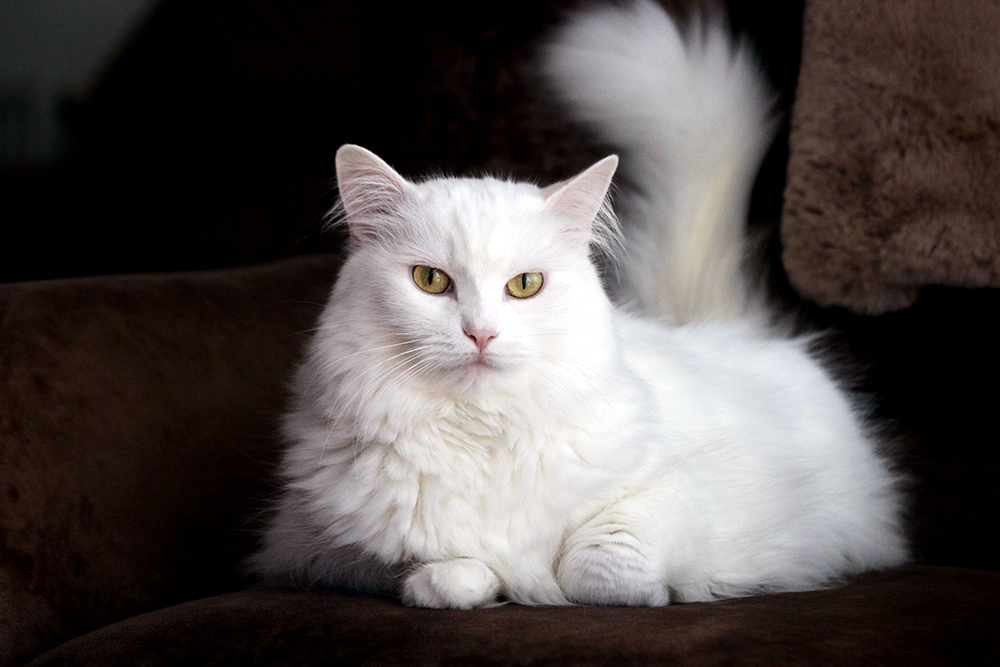
Image Source: www.catster.com
A Glimpse into Turkish Angora Origins
The Turkish Angora cat boasts a rich and fascinating Turkish Angora history. These cats are not a modern creation; their Turkish Angora origins trace back centuries to the Ankara region of Turkey, formerly known as Angora. They are one of the oldest naturally occurring cat breeds. These elegant cats were cherished by royalty and nobility, often gifted as symbols of prestige and beauty.
From Ankara to the World
The journey of the Turkish Angora from its homeland to the global stage is a captivating tale. In the 17th century, seafaring traders and travelers brought these exquisite cats to Europe. Their striking appearance and graceful movements quickly captivated cat lovers. However, the breed faced challenges, including near extinction due to crossbreeding programs aimed at developing the Persian cat. Thankfully, dedicated breeders in Turkey and later in other parts of the world worked to preserve the pure lineage.
Deciphering Turkish Angora Physical Traits
When you’re trying to identify a Turkish Angora, several Turkish Angora physical traits stand out. These cats are medium-sized but possess a surprisingly strong and agile body. They are often described as graceful and athletic.
The Alluring Silhouette
- Body: Turkish Angoras have a long, slender, and well-muscled body. They are elegant without being fragile.
- Legs: Their legs are long and proportionate to their body, with hind legs slightly longer than the front. This gives them a distinctive, upright stance.
- Paws: Their paws are small and dainty, often with tufts of fur between the toes.
- Tail: The tail is perhaps one of their most iconic features. It’s long, plumed, and carried high and proudly, often resembling a plume or a plume of smoke.
The Enchanting Head and Face
The head of a Turkish Angora is wedge-shaped with broad cheekbones.
- Ears: Their ears are large, pointed, and set high on the head, often with tufts of fur inside. They are very expressive and can swivel to catch the slightest sound.
- Eyes: The eyes are large and almond-shaped. They are perhaps the most striking feature, with a captivating gaze.
- Nose: The nose is moderately long and straight.
- Chin: The chin is firm and well-defined.
The Luxurious Coat
The Turkish Angora’s coat is a defining characteristic. They are most famous for their single-layered, silky, and fine coat that is almost shimmering.
Exploring Turkish Angora Coat Types
While often associated with white fur, Turkish Angoras actually come in a variety of Turkish Angora coat types and colors.
- White: The classic and most recognized Turkish Angora is pure white. This white coat is often accompanied by striking eye colors.
- Colors and Patterns: Beyond white, they can be found in a wide array of colors and patterns, including solid colors (black, blue, red, cream), tabby patterns, tortoiseshell, bi-color, and even smoke variations. Any color or pattern is accepted by most cat registries, with the exception of pointed patterns (like Siamese).
- Texture: The coat is typically semi-long, with longer fur on the ruff, britches, and tail. It doesn’t have the dense undercoat found in some other long-haired breeds, making it less prone to matting and easier to manage.
- Seasonal Changes: The length and fullness of the coat can vary with the seasons, being thicker in winter and shedding more in summer.
Turkish Angora Eye Color: A Spectrum of Beauty
The Turkish Angora eye color is incredibly varied and often contributes to their exotic appeal.
- Blue: Deep, vibrant blue eyes are common, especially in white Angoras.
- Green: Emerald or jewel-toned green eyes are also frequently seen.
- Amber/Gold: Warm amber or golden hues are equally beautiful.
- Odd-Eyed (Heterochromia): A hallmark of the breed, particularly in white Angoras, is odd-eyedness. This means one eye can be blue and the other green, amber, or gold. This striking feature is highly sought after.
- Bicolored: Some Angoras may have one eye that is blue and the other with a mix of colors.
Fathoming the Turkish Angora Temperament and Personality
Beyond their stunning looks, the Turkish Angora temperament is a significant part of their charm. These cats are known for their intelligence, sociability, and active nature. The Turkish Angora personality is often described as being like a dog in a cat’s body.
An Active and Intelligent Companion
- Playful and Energetic: Turkish Angoras are playful cats that retain their kitten-like exuberance well into adulthood. They love to play with toys, chase laser pointers, and engage in interactive games.
- Intelligent and Curious: They possess sharp minds and are highly curious about their surroundings. This intelligence makes them trainable, and many can learn tricks or how to open doors.
- Sociable and Affectionate: Turkish Angoras thrive on human interaction and often form strong bonds with their families. They enjoy being petted, cuddled, and included in daily activities.
- Vocal: These cats are often quite vocal, communicating their needs and desires through a variety of meows, chirps, and trills. They aren’t usually excessively loud, but they do like to “talk” to their people.
- Adaptable: While they enjoy having space to roam and play, they can adapt to various living situations, including apartments, as long as they have enough stimulation and companionship.
Interactions with Others
- Children: With proper introduction and supervision, Turkish Angoras generally get along well with children. Their playful nature makes them good companions for active kids.
- Other Pets: They can coexist peacefully with other pets, including dogs and other cats, especially if introduced carefully from a young age. Their intelligence and sociability often help them integrate into multi-pet households.
Turkish Angora Grooming: Keeping Their Coat in Top Shape
When it comes to Turkish Angora grooming, their single-layered coat is a definite advantage. Compared to breeds with dense double coats, Turkish Angoras are relatively easy to maintain.
Regular Brushing is Key
- Frequency: Aim to brush your Turkish Angora 1-2 times a week. During shedding seasons (spring and fall), you might need to increase this to 3-4 times a week to manage loose fur.
- Tools: A metal comb with fine to medium teeth is ideal for detangling and removing loose hair. A slicker brush can also be helpful for removing shed undercoat.
- Technique: Start by gently combing through the fur, paying attention to any knots or tangles, especially around the hindquarters and under the arms. Work from the tips of the hair down to the skin. Be gentle to avoid pulling the hair.
- Bathing: Turkish Angoras generally don’t require frequent bathing. Only bathe them when they are visibly dirty or have something sticky on their fur. Use a mild cat shampoo and ensure you rinse thoroughly.
Nail Care and Dental Hygiene
- Nail Trimming: Regular nail trimming is important for all cats. Trim the sharp tips of their claws every 2-3 weeks to prevent them from snagging on furniture or getting ingrown.
- Dental Care: Good oral hygiene is crucial. Ideally, brush your cat’s teeth regularly with cat-specific toothpaste. If brushing isn’t possible, dental treats or water additives can help.
Ear and Eye Cleaning
- Ears: Check your cat’s ears weekly for any redness, odor, or discharge. Clean them gently with a vet-approved ear cleaner and a cotton ball if needed. Never use cotton swabs inside the ear canal.
- Eyes: Wipe away any eye discharge with a damp cloth or pet-safe eye wipe.
Turkish Angora Health Issues: What to Watch For
The Turkish Angora is generally a healthy breed with a long Turkish Angora lifespan, often living 15-20 years or even longer. However, like all breeds, they can be predisposed to certain Turkish Angora health issues.
Genetic Predispositions
- Deafness: White cats, including Turkish Angoras, especially those with blue eyes or odd eyes, have a higher incidence of congenital deafness. This is due to a gene linked to white fur and blue eyes. It’s important to test kittens for hearing. Deaf cats can lead happy, full lives with proper care and precautions.
- Hypertrophic Cardiomyopathy (HCM): This is a common heart condition in many cat breeds, including the Turkish Angora. It involves the thickening of the heart muscle. Regular veterinary check-ups can help detect this early.
- Patellar Luxation: Similar to some small dog breeds, Turkish Angoras can sometimes experience patellar luxation, where the kneecap slips out of place. This can cause lameness or an unusual gait.
- Dental Problems: As with many cats, dental issues like gingivitis and periodontitis can occur if oral hygiene is neglected.
Maintaining Good Health
- Nutrition: Feed your Turkish Angora a high-quality diet that is appropriate for their age and activity level.
- Veterinary Care: Regular veterinary check-ups are essential for monitoring their health, administering vaccinations, and addressing any potential issues early.
- Environment: Provide a safe and stimulating environment with plenty of opportunities for play and exercise to prevent obesity and maintain their mental well-being.
Turkish Angora Lifespan: A Long and Loving Partnership
The Turkish Angora lifespan is one of the longest among domestic cat breeds. With good genetics, proper care, a balanced diet, and a loving home environment, these cats can live for 15 to 20 years, and many can even reach their early twenties. This longevity means they can be a cherished companion for a significant portion of your life.
Factors Influencing Longevity
- Genetics: Inherited predispositions to certain health conditions can influence lifespan.
- Diet: A nutritious and balanced diet is crucial for overall health and longevity.
- Veterinary Care: Regular check-ups, vaccinations, and prompt treatment of illnesses can prevent serious health problems from shortening their lives.
- Lifestyle: An active lifestyle, mental stimulation, and a safe environment free from hazards contribute to a longer, healthier life.
- Environment: Keeping cats indoors, away from dangers like traffic, predators, and diseases, significantly increases their lifespan.
Frequently Asked Questions (FAQ)
Q1: Are Turkish Angoras good with children?
A1: Yes, Turkish Angoras are generally excellent with children. They are playful, patient, and enjoy interacting with kids, especially if they are introduced properly and supervised.
Q2: Do Turkish Angoras shed a lot?
A2: Turkish Angoras have a single, silky coat, which means they shed less than breeds with dense double coats. However, they do shed moderately, especially during seasonal changes. Regular brushing helps manage shedding.
Q3: Are Turkish Angoras vocal cats?
A3: Yes, Turkish Angoras are known for being quite vocal. They enjoy communicating with their owners through a variety of meows, chirps, and trills.
Q4: Can Turkish Angoras be left alone for long periods?
A4: While they can adapt to being alone for shorter periods, Turkish Angoras are very social cats and thrive on human interaction. They do best in homes where someone is often present or with other pets to keep them company. Extended periods of solitude can lead to boredom or anxiety.
Q5: Are Turkish Angoras hypoallergenic?
A5: No cat breed is truly hypoallergenic, as the allergen is primarily found in dander, saliva, and urine, not just the fur. However, some people with mild cat allergies find they react less severely to breeds with less dander or a different protein composition in their saliva, like the Turkish Angora, due to their single coat. It’s best to spend time with the breed before adopting if you have allergies.
Q6: What is the lifespan of a Turkish Angora cat?
A6: The Turkish Angora cat has a long lifespan, typically ranging from 15 to 20 years, with many living into their early twenties with proper care.
Q7: What are common Turkish Angora health issues?
A7: While generally healthy, potential Turkish Angora health issues include congenital deafness (especially in white cats with blue eyes), hypertrophic cardiomyopathy (HCM), and patellar luxation. Regular veterinary care is crucial for early detection and management.
Q8: What are the defining Turkish Angora physical traits?
A8: Key Turkish Angora physical traits include a slender, muscular body, long legs, large expressive ears, almond-shaped eyes (often odd-colored), and a long, plumed tail. Their coat is single-layered, silky, and semi-long.