
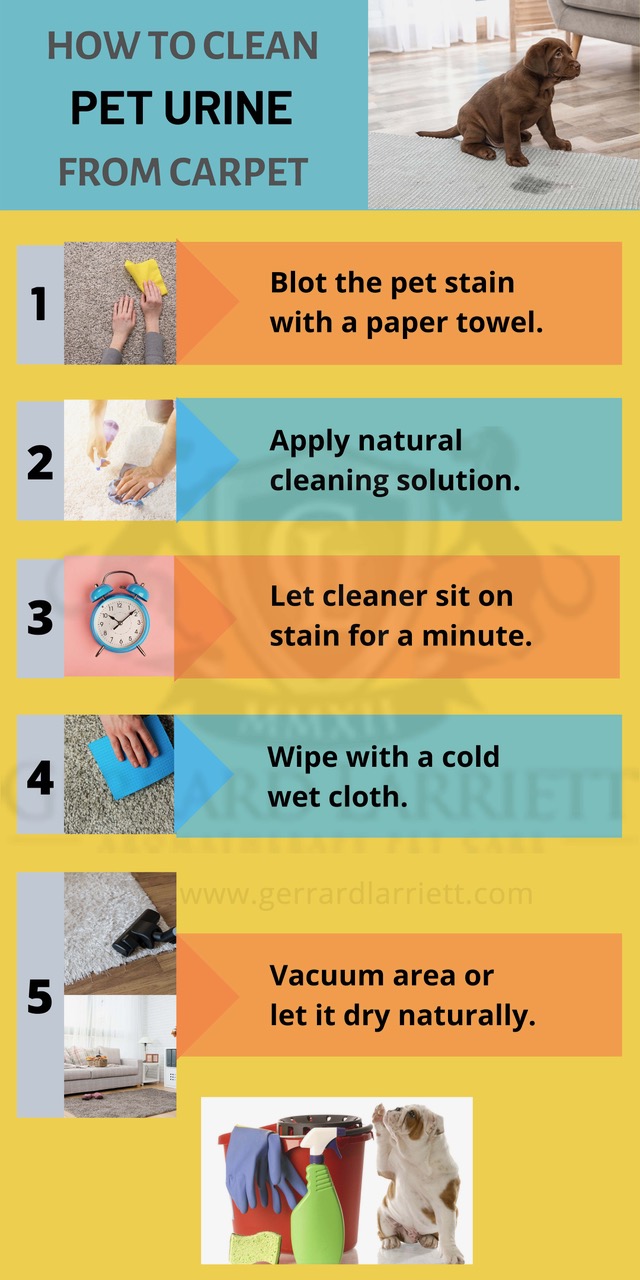
Image Source: www.gerrardlarriett.com
Eliminate Cat Poop Odor: How To Get Cat Poop Smell Out Of Carpet
Yes, you can get cat poop smell out of carpet. The key is to act fast and use the right cleaning products. This guide will help you tackle even the toughest cat feces odor from your carpets.
Cats are wonderful pets, but accidents happen. When your feline friend decides your carpet is the perfect potty spot, it can leave behind an unpleasant odor. Dealing with cat poop smell in carpet requires a specific approach to ensure the smell is completely removed and doesn’t return. This article will walk you through effective methods to tackle this common problem, ensuring your home smells fresh and clean again.
Immediate Action: The First Line of Defense
The sooner you address a cat poop accident on your carpet, the easier it will be to remove the odor. Fresh waste is much easier to clean than dried-on material.
Key Steps for Immediate Cleanup:
- Gather Supplies: You’ll need gloves, paper towels or old rags, a plastic bag, and your chosen cleaning solution.
- Remove Solids: Wearing gloves, carefully pick up as much solid waste as possible with paper towels. Be gentle to avoid spreading the mess further into the carpet fibers.
- Blot, Don’t Rub: Use clean paper towels or rags to blot the affected area. Rubbing can push the waste deeper into the carpet and padding, making it harder to remove the smell.
- Ventilate: Open windows and doors to get fresh air circulating. This helps to disperse the odor immediately.
Deep Cleaning Methods to Neutralize Odor
Once the bulk of the waste is removed, it’s time for a more thorough cleaning to eliminate any lingering odor. This is where specialized cleaning solutions come into play.
Using Enzymatic Cleaners: The Powerhouse Solution
Enzymatic cleaners are specifically designed to break down organic matter, which is exactly what cat poop is. They contain live enzymes and bacteria that “eat” the odor-causing molecules. This makes them incredibly effective for getting cat poop smell out of carpet.
Why Enzymatic Cleaners Work:
- Biological Breakdown: Unlike regular cleaners that might mask odors, enzymes break down the uric acid crystals and proteins that cause the persistent smell.
- Targeted Action: They specifically target pet stains and odors, making them the best carpet cleaner for cat pee and other accidents.
- Prevents Re-Soiling: By fully breaking down the waste, they can help prevent your cat from returning to the same spot.
How to Use an Enzymatic Cleaner:
- Test in an Inconspicuous Area: Before applying to the main stain, test the cleaner on a small, hidden spot of your carpet to ensure it doesn’t cause discoloration.
- Saturate the Area: Pour enough enzymatic cleaner to thoroughly soak the affected area. It needs to reach the same depth as the accident, potentially including the carpet padding.
- Let It Dwell: This is crucial. Enzymatic cleaners need time to work. Follow the product’s instructions for dwell time, which can range from a few hours to overnight.
- Blot Again: After the dwell time, blot the area with clean cloths to absorb excess moisture and loosened waste.
- Air Dry: Allow the area to air dry completely. You can use a fan to speed up the process.
- Repeat if Necessary: For stubborn odors or older stains, you might need to repeat the process.
DIY Cat Poop Smell Removal Options
If you don’t have an enzymatic cleaner readily available, there are several DIY solutions you can try. These are good for immediate spot treatments and can be effective when used correctly.
1. Vinegar and Water Solution:
White vinegar is a natural deodorizer and disinfectant.
- Recipe: Mix equal parts white vinegar and cool water in a spray bottle.
- Application: After removing solids and blotting, generously spray the affected area with the vinegar solution.
- Dwell Time: Let it sit for about 10-15 minutes.
- Blot Dry: Blot the area with clean cloths until it’s mostly dry.
- Neutralize: The vinegar smell will dissipate as it dries, taking the cat poop odor with it.
2. Baking Soda Paste:
Baking soda is a fantastic odor absorber.
- Recipe: Mix baking soda with a small amount of water to create a paste.
- Application: Gently spread the paste over the affected area.
- Drying: Let the paste dry completely. This can take several hours.
- Vacuum: Once dry, vacuum up the baking soda thoroughly.
3. Hydrogen Peroxide Solution:
Caution: Hydrogen peroxide can bleach some carpets. Always test in an inconspicuous area first.
- Recipe: Mix 1/4 cup of 3% hydrogen peroxide with 1 teaspoon of mild dish soap and 1 teaspoon of baking soda.
- Application: Apply the solution to the stained area.
- Dwell Time: Let it sit for about 5-10 minutes.
- Blot Dry: Blot the area with clean cloths.
- Rinse (Optional): You can lightly dampen a clean cloth with water and blot again to remove any residue.
Other Carpet Deodorizer for Pets Options
Beyond enzymatic cleaners and DIY methods, several commercial products are designed to tackle pet odors.
- Odor Absorbing Sprays: These often contain activated charcoal or other absorbent materials that trap odor molecules. They are good for light odors or as a follow-up treatment.
- Carpet Deodorizing Powders: Similar to baking soda, these powders are sprinkled on the carpet, left to absorb odors, and then vacuumed up.
Tackling Stubborn Odors and Set-In Stains
Sometimes, cat poop odor can be persistent, especially if it’s been left for a while or has seeped deep into the carpet and padding. In these cases, more intensive methods might be needed.
Reaching the Padding: A Crucial Step
Cat urine odor removal and cat feces odor removal often require getting beyond the carpet surface. If the accident was substantial, the waste and its odor-causing components can soak into the carpet padding.
Methods to Address Padding Odor:
- Enzymatic Cleaner Saturation: As mentioned, ensure your enzymatic cleaner saturates the area deep enough to reach the padding.
- Carpet Cleaning Machines: Renting or using a carpet cleaning machine with an appropriate pet stain remover solution can be very effective. These machines inject water and cleaner into the carpet and then extract the dirty liquid.
- Extractors: For very deep odors, a wet/dry vacuum or a specialized carpet extractor can be used to pull moisture and odor-causing residue from the padding.
When to Consider Professional Cleaning
If you’ve tried multiple methods and the cat poop smell persists, it might be time to call in the professionals. Professional carpet cleaners have access to industrial-strength cleaning solutions and equipment that can often remove even the most stubborn odors. They are experienced in cleaning cat messes from carpet and can identify if the odor has reached the subfloor.
Preventing Future Accidents and Odors
Once you’ve successfully eliminated the odor, you’ll want to prevent it from happening again.
Tips for Prevention:
- Litter Box Maintenance: Ensure your cat’s litter box is clean. Scoop it daily and change the litter regularly. Cats are fastidious creatures and won’t use a dirty litter box.
- Litter Box Location: Place the litter box in a quiet, accessible location. Avoid placing it near loud appliances or high-traffic areas.
- Litter Type: Some cats are particular about their litter. Experiment with different textures and types of litter if your cat seems unhappy with their current choice.
- Stress Reduction: Changes in routine, new pets, or household stress can lead to inappropriate elimination. Try to identify and address any stressors for your cat.
- Veterinary Check-up: Sudden changes in litter box habits can sometimes indicate a medical issue. If the problem persists, consult your veterinarian.
- Clean Up Accidents Promptly: This is your best defense against lingering odors.
Frequently Asked Questions (FAQ)
Q1: How long does cat poop smell last on carpet?
A1: The duration of cat poop smell on carpet varies. If cleaned immediately and thoroughly with the right products, the smell can be eliminated quickly. However, if left untreated, the odor-causing bacteria can multiply and permeate the carpet fibers and padding, leading to a persistent smell that can last for weeks or even months.
Q2: Can I use regular household cleaners on cat poop stains?
A2: While some household cleaners might temporarily mask the smell, they are often not effective at eliminating the source of the odor. Ammonia-based cleaners can actually worsen the problem, as their smell is similar to cat urine and can encourage your cat to mark the spot again. It’s best to use specialized pet stain remover products or natural alternatives like vinegar and baking soda.
Q3: How do I find the exact spot if I can’t see the mess?
A3: You can use a blacklight (UV light) to find hidden pet stains. Urine and other organic matter often fluoresce under blacklight, making it easier to locate the affected areas, even if they are not visible to the naked eye.
Q4: Is it safe to use enzymatic cleaners around my pets?
A4: Yes, most enzymatic cleaners are safe for pets once the area has dried. Always follow the product instructions carefully and keep pets away from the wet treated area.
Q5: My cat keeps pooping outside the litter box, what should I do?
A5: This is a behavioral issue that needs to be addressed. Ensure the litter box is clean, in a good location, and that your cat likes the litter. Consider adding more litter boxes if you have multiple cats. If the problem continues, a vet visit is recommended to rule out any underlying health issues. Then, focus on thoroughly cleaning any soiled areas to eliminate the smell and prevent repeat offenses.
Summary of Effective Treatments
Here’s a quick recap of the most effective ways to get cat poop smell out of carpet:
| Treatment Method | Best For | Key Ingredient/Action | Notes |
|---|---|---|---|
| Enzymatic Cleaner | Deep, set-in odors, all types of stains | Enzymes that break down organic matter | Must saturate the area, requires dwell time, follow product instructions. |
| Vinegar & Water | Fresh accidents, general deodorizing | Acetic acid in vinegar neutralizes odors | Test for colorfastness, vinegar smell dissipates as it dries. |
| Baking Soda | Absorbing lingering odors | Sodium bicarbonate absorbs and neutralizes smells | Apply dry or as a paste, vacuum thoroughly. |
| Carpet Cleaning Machine | Large areas, deep soiling | Mechanical action and specialized pet cleaning solutions | Ensure the solution is safe for pets and your carpet type. |
| Professional Cleaning | Persistent odors, extensive contamination | Industrial-grade equipment and solutions, expert knowledge | The ultimate solution for difficult-to-remove smells. |
By following these steps and using the right products, you can effectively eliminate cat poop odor from your carpets and restore a fresh, clean environment to your home. Remember that prompt action and thorough cleaning are your best allies in this battle against pet odors.