
Can you collect a cat urine sample at home? Yes, you can, and it’s often a crucial step in diagnosing various health issues. Gathering a urine sample at home is frequently necessary when your veterinarian needs to run tests like a urinalysis to check for infections, kidney problems, diabetes, or bladder stones. This guide will walk you through the process, making it as simple and stress-free as possible for both you and your feline friend.
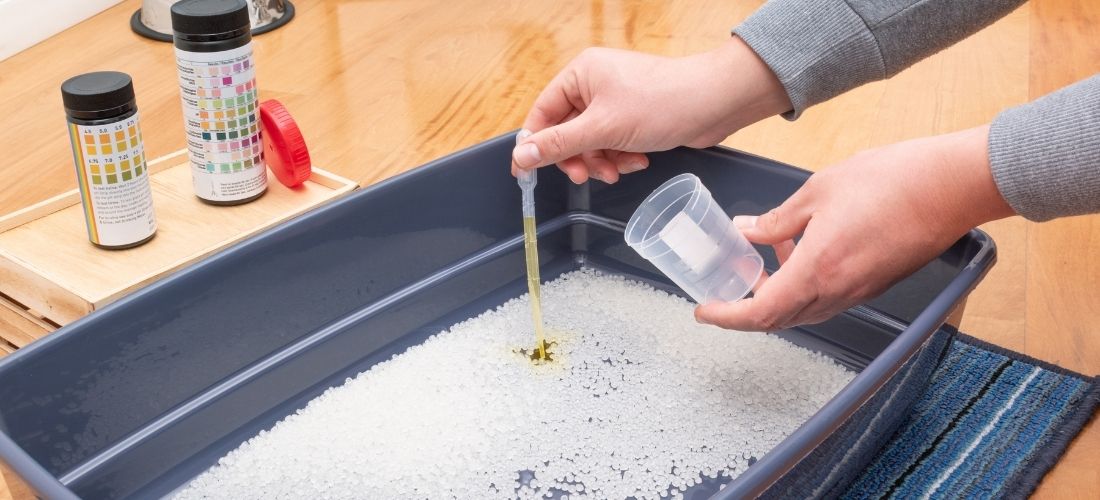
Image Source: www.pdsa.org.uk
Why Collecting a Cat Urine Sample Matters
A urinalysis provides valuable insights into your cat’s health. By examining the urine, your vet can detect abnormalities that might not be apparent otherwise. These abnormalities can signal a range of conditions, from simple urinary tract infections (UTIs) to more complex kidney diseases or metabolic disorders like diabetes. Early detection through regular urine testing can lead to quicker treatment and better outcomes for your cat.
Key Information from a Urinalysis
- Physical Characteristics: Color, clarity, and odor.
- Chemical Composition: pH, protein, glucose, ketones, bilirubin, and blood.
- Microscopic Examination: Red blood cells, white blood cells, bacteria, crystals, and other cellular debris.
Preparing for Success: What You’ll Need
Gathering the right supplies before you start is essential. Having everything ready will minimize stress during the collection process. You can usually find these items at your local veterinary clinic or a well-stocked pet store.
Essential Supplies Checklist:
- Clean Litter Box: A litter box that is thoroughly cleaned and dried is paramount.
- Non-Absorbent Litter: This is crucial. Standard clumping or absorbent litter will soak up the urine, making collection impossible.
- Urine Collection Kit: Many veterinary clinics offer specialized kits. These often include the necessary non-absorbent litter and a collection device.
- Sterile Container: A clean, airtight, sterile container is needed to store the collected urine. Your vet will likely provide this or instruct you on what type to get.
- Syringe (without a needle): A large syringe is often the best tool for drawing up the urine from the litter. A specific syringe for urine sample collection might be available.
- Kitty Cap (Optional but helpful): Some cats may need a little extra encouragement. A kitty cap, essentially a plastic bag placed over the hindquarters, can help contain urine for easier collection.
- Gloves: For hygiene and to avoid contaminating the sample.
- Pet Wipes: For cleaning up any spills.
Step-by-Step Guide to Collecting the Urine Sample
Collecting a urine sample from a cat can seem daunting, but with careful preparation and a calm approach, it’s quite manageable. The key is to be patient and observant.
Step 1: Prepare the Litter Box
This is the most critical step.
1.1 Clean the Litter Box:
- Thoroughly wash the litter box with soap and water.
- Rinse it very well to ensure no soap residue remains, as this could affect the urine sample.
- Allow the litter box to dry completely.
1.2 Add Non-Absorbent Litter:
- Once the box is dry, pour a generous layer of your specialized non-absorbent litter into the box. This litter looks like small plastic beads or pellets. It’s designed not to soak up liquid, allowing urine to pool on the surface.
- Ensure there’s enough litter to mimic a normal littering experience for your cat.
1.3 Avoid Contamination:
- Do not add any other types of litter.
- Ensure the litter box is free from any previous urine or feces.
Step 2: The Waiting Game: Encouraging Your Cat
Patience is a virtue when it comes to cat behavior.
2.1 Place the Prepared Litter Box:
- Put the prepared clean litter box in its usual spot, or somewhere your cat feels comfortable and safe to eliminate.
- Remove any other litter boxes from the area to ensure your cat uses the prepared one.
2.2 Observe Your Cat:
- Keep a close eye on your cat. Look for signs that they need to urinate, such as sniffing around, circling, or assuming a squatting position.
- Try to be as quiet and unobtrusive as possible. Some cats are easily startled and may hold their urine if they feel watched too intensely.
Step 3: The Collection
This is where your preparation pays off.
3.1 Act Quickly and Carefully:
- As soon as you see your cat squatting to urinate, approach the litter box slowly and quietly.
- Be ready with your syringe for urine sample collection.
3.2 Using the Syringe:
- Carefully slide the syringe (without the needle!) underneath your cat as they urinate.
- Try to collect a sufficient amount of urine – typically 1-2 ml is enough for most tests, but check with your vet for their specific requirements.
- If your cat finishes before you’ve collected enough, don’t panic. You might need to try again.
3.3 Alternative Collection Methods:
- Plastic Spoon or Flat Container: If you don’t have a syringe, a clean, shallow plastic spoon or a small, flat non-absorbent container can also be used to scoop the urine from the non-absorbent litter.
- Kitty Cap: In some cases, a veterinarian might recommend a kitty cap. This is a specially designed plastic bag that fits over the cat’s hindquarters. The urine is directed into a collection device attached to the bag. This method is less common for home collection but can be effective in specific situations. Discuss this with your vet first.
Step 4: Storing and Transporting the Sample
Proper storage ensures the sample remains viable for testing.
4.1 Transfer to the Sterile Container:
- Once you have collected the urine in your syringe or on your spoon, carefully transfer it into the sterile container provided by your veterinary clinic or purchased from a pet store.
- Ensure the container is sealed tightly to prevent leakage and contamination.
4.2 Labeling the Sample:
- Label the container with your cat’s name, the date, and the time of collection. This information is vital for the laboratory.
4.3 Refrigeration and Transport:
- Most urine samples need to be refrigerated if they cannot be delivered to the vet immediately. Check with your vet; some samples are best delivered fresh at room temperature.
- If refrigeration is required, store the sealed container in your refrigerator.
- Transport the sample to your veterinary clinic as soon as possible, ideally within 24 hours. Keep it cool during transport, perhaps in a small cooler bag.
Troubleshooting Common Challenges
Even with the best intentions, collecting a cat urine sample can present a few hurdles. Here are some common issues and how to address them.
My Cat Won’t Use the Special Litter
- Gradual Introduction: If your cat is particular, you might need to introduce the non-absorbent litter gradually. Start by mixing a small amount with their regular litter, then slowly increase the proportion of non-absorbent litter over a few days.
- Multiple Boxes: Temporarily set up multiple litter boxes, with one containing the special litter and others containing their regular litter. Remove the regular litter boxes once they start using the new one.
- Positive Reinforcement: Offer praise and a treat after they successfully use the prepared litter box.
My Cat Doesn’t Seem to Need to Urinate
- Patience: Cats are creatures of habit, and forcing them to go can be counterproductive. Continue to offer the prepared litter box and observe them patiently.
- Dietary Changes: Some cats might urinate more or less depending on their diet and hydration levels. Ensure your cat has access to fresh water.
- Familiar Environment: Make sure the litter box is in a quiet, safe space where your cat feels secure enough to eliminate.
I Can’t Collect Enough Urine
- Multiple Attempts: It’s okay if you don’t get enough on the first try. Simply clean the non-absorbent litter and try again when your cat needs to go next.
- Syringe Size: Ensure you are using an appropriately sized syringe. A larger syringe will allow you to collect more urine with fewer attempts.
My Cat is Scared of the Syringe or Me Approaching
- Desensitization: If your cat is very wary, you can try to desensitize them to the syringe. Leave it near their food bowl or toys, or gently handle the syringe near them without attempting collection.
- Quiet Observation: Be as quiet and as non-threatening as possible. Avoid sudden movements. Sometimes, just being present and still is enough.
- Second Person: If possible, have another calm family member assist. One person can distract the cat gently while the other collects the sample.
When to Seek Professional Help
If you consistently struggle to collect a sample, or if your cat shows signs of distress or illness, it’s best to contact your veterinary clinic. They can:
- Provide alternative collection methods.
- Perform cystocentesis, a procedure where urine is collected directly from the bladder using a needle and syringe, which is typically done by a vet or vet technician.
- Offer advice tailored to your cat’s specific needs and temperament.
Sample Storage and Transport Guidelines Recap
To ensure your sample is useful for diagnosis, adhere to these storage and transport guidelines:
| Condition | Recommended Action |
|---|---|
| Delivery Time | Within 24 hours of collection |
| Refrigeration | If not delivering immediately (check with vet first) |
| Temperature | Keep cool during transport |
| Container | Airtight, sterile, clearly labeled |
Important Note: Always confirm the specific storage and transport instructions with your veterinarian, as some tests may have different requirements.
Frequently Asked Questions (FAQ)
Q1: How much cat urine do I need?
A: Typically, 1-2 milliliters (ml) is sufficient for most common urinalysis tests. However, always confirm the exact amount required with your veterinarian.
Q2: Can I use regular cat litter to collect urine?
A: No, you cannot use regular absorbent or clumping cat litter. You must use specialized non-absorbent litter (often small plastic beads or pellets) so the urine does not soak into the litter, allowing you to collect it.
Q3: How quickly does the urine sample need to get to the vet?
A: Ideally, the urine sample should be delivered to the veterinary clinic within 24 hours of collection. If it cannot be delivered promptly, refrigerate it, but confirm with your vet if refrigeration is appropriate for their testing.
Q4: What if my cat pees outside the litter box?
A: If your cat urinates in an unusual spot, try to collect the urine from that spot using a sterile container or a syringe for urine sample. Ensure the surface is clean and not contaminated. However, using the prepared litter box is always preferred for a cleaner, more reliable sample.
Q5: Can I get a urine collection kit from a pet store?
A: Some pet store locations might carry basic urine collection kits, which usually include the non-absorbent litter. However, the most reliable source is often your veterinary clinic, which can provide specific kits and instructions tailored to their testing procedures.
Q6: What is a kitty cap used for?
A: A kitty cap is a specialized device sometimes used to aid in urine collection, particularly for cats that are difficult to collect from directly with a syringe. It’s designed to help funnel the urine into a collection container. It’s best to discuss its use with your vet.
Q7: Is it safe to use a syringe without a needle?
A: Yes, it is safe and indeed necessary to use a syringe without a needle for collecting urine from the litter box. The needle is never used in this home collection method.
Conclusion
Collecting a cat urine sample at home is a manageable task with the right preparation and approach. By following these steps, using the correct supplies like a clean litter box and non-absorbent litter, and having a bit of patience, you can successfully obtain a sample for your veterinarian. This simple act can significantly contribute to your cat’s health and well-being by enabling timely and accurate diagnoses. Always consult your veterinary clinic if you have any concerns or face difficulties.