
Can you track a microchipped cat? Yes, but not in real-time like a GPS tracker. A microchip acts as a permanent form of identification, storing your cat’s unique microchip number. This number is linked to your contact information in a central database. Therefore, to track your microchipped cat, you need a special pet scanner and access to the microchip registry.
Losing a beloved feline friend is a deeply distressing experience for any pet owner. The worry, the sleepless nights, the constant scanning of familiar hiding spots – it’s a gut-wrenching ordeal. While the thought of your cat vanishing into the unknown is terrifying, modern technology offers a powerful tool to aid in their safe return: microchipping. This guide will delve into the intricacies of how microchipping works, what to do if your microchipped cat goes missing, and how to maximize the chances of a successful pet reunification.
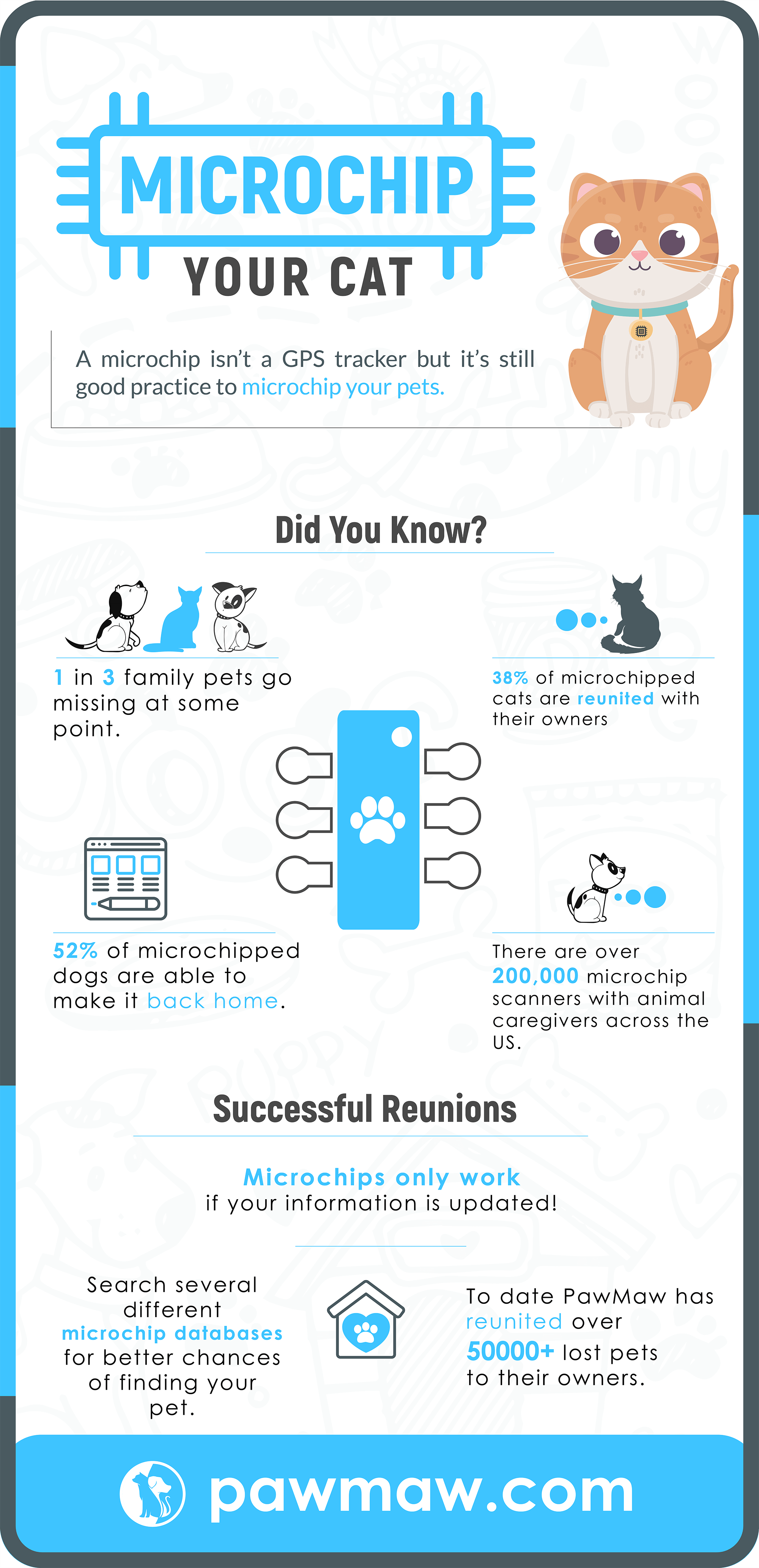
Image Source: pawmaw-images.s3.ap-southeast-1.amazonaws.com
The Power of the Microchip: Permanent Identification
A microchip is a tiny electronic device, about the size of a grain of rice, that is implanted under your cat’s skin, typically between the shoulder blades. It’s a simple, quick procedure, usually performed by a veterinarian during a routine visit. Each microchip contains a unique, permanent identification number. This number, when scanned, provides access to your contact details stored in a secure microchip registry.
What a Microchip Is NOT
It’s crucial to clarify what a microchip does and doesn’t do. Unlike a GPS tracker, a microchip does not emit a signal and cannot be tracked in real-time by you or your veterinarian. You cannot see your cat’s location on a map using just the microchip. Its function is purely as a permanent identifier.
The Microchip Number: Your Cat’s Digital Fingerprint
The microchip number is the linchpin of this system. It’s a unique string of digits, typically 9 to 15 characters long, that serves as your cat’s digital fingerprint. This number is the key to unlocking your contact information.
How a Microchip Works in Practice
- Implantation: The microchip is implanted under the skin.
- Scanning: A special scanner (often found at vet clinics, animal shelters, and rescue organizations) emits a radio frequency that energizes the microchip, causing it to transmit its unique number.
- Database Lookup: The scanned microchip number is then used to search a microchip registry database.
- Contact Information Retrieval: If the number is registered and your contact details are up-to-date, the registry can contact you to arrange the reunion.
Registering Your Cat’s Microchip: The Crucial First Step
The most important step in making microchipping effective is registering the microchip number with a reputable microchip registry. Without registration, the microchip is essentially useless if your cat is found.
Choosing a Microchip Registry
There are several microchip registry companies. Your veterinarian will likely recommend one, or you can choose from well-known services. Ensure the registry is accessible and has a robust system for updating information.
Keeping Your Information Current
This is paramount. Life happens – you might move, change your phone number, or get a new email address. If your contact information in the microchip registry is outdated, a finder won’t be able to reach you. Make a habit of checking and updating your details annually, or whenever you have a significant life change.
What to Do if You’ve Lost Your Registration Details
Don’t panic! Most registries have procedures for retrieving lost information. You’ll likely need to provide proof of ownership, such as adoption papers or veterinary records. Contacting the registry directly is the best course of action.
Finding Your Microchipped Cat: What to Do When They’re Lost
If your microchipped cat goes missing, it’s essential to act quickly and systematically. Your microchip is a vital tool, but it needs to be activated by someone finding your cat and having them scanned.
Immediate Actions When Your Cat is Missing
- Search Thoroughly: Check every conceivable hiding spot in and around your home, both inside and outside. Cats are masters of stealth.
- Alert Your Neighbors: Inform your neighbors, providing them with a clear photo of your cat and your contact information.
- Contact Local Shelters and Rescues: Immediately notify all animal shelters, humane societies, and rescue organizations in your area. Provide them with a detailed description of your cat, including their microchip number and your contact details. Visit them in person regularly, as descriptions can be subjective.
- Utilize Social Media and Lost Pet Websites: Post flyers, use local lost and found pet Facebook groups, and list your cat on national lost pet databases. Include a clear photo and all relevant details.
The Role of the Pet Scanner
When a found cat is brought to a shelter or vet clinic, the first thing they will do is scan for a microchip. This is where the microchip’s power truly comes into play. A responsible finder or a professional will use a pet scanner to read the microchip number.
How Shelters and Vets Use Microchip Data
Once the microchip number is retrieved, the finder (or the shelter/vet) will contact the microchip registry. The registry then checks its database for the registered owner’s contact information. This is why keeping your registry details up-to-date is so critical for finding microchipped pets.
Maximizing Your Chances of Pet Reunification
While microchipping is a crucial step, several other measures can significantly increase the likelihood of your cat’s safe return. These focus on both identification and prevention.
The Importance of a Cat ID Tag
Even with a microchip, a visible cat ID tag on your cat’s collar is invaluable. It offers immediate contact information to anyone who finds your cat without needing a special scanner. Ensure the tag is securely attached to a breakaway collar (to prevent snagging and injury). The tag should clearly display:
- Your cat’s name.
- Your phone number.
- Your city or town.
Lost Cat Identification Beyond the Microchip
Beyond the microchip and ID tag, consider:
- Photos: Keep current, clear photos of your cat readily accessible.
- Unique Markings: Note any distinctive physical traits – a specific pattern of spots, a clipped ear, a unique meow.
- Behavioral Traits: Is your cat shy and likely to hide, or friendly and approachable?
The Role of Pet Recovery Services
Some companies offer pet recovery services that go beyond basic microchip registration. These services may include:
- 24/7 lost pet hotlines.
- Assistance with creating and distributing flyers.
- Help with social media campaigns.
- Alerting local shelters and vets in your area.
While these services can be helpful, they often come with an additional cost, and the core functionality relies on the same principles as direct microchip registration.
Pet Reunification: The Process in Action
Imagine your cat has been missing for a few days. A kind stranger finds them huddled under a bush and notices they aren’t wearing a collar. They take your cat to the nearest veterinary clinic.
Scenario:
- Scanning: The veterinary technician uses a pet scanner. The scanner beeps, displaying a microchip number.
- Registry Contact: The vet clinic staff contacts the microchip registry, providing the scanned number.
- Database Check: The registry quickly searches its database.
- Contacting You: The registry finds your contact information and calls you.
- Reunion: You receive the call, and arrangements are made to pick up your precious feline!
This streamlined process is why microchipping is considered one of the most effective tools for lost cat identification.
Lost Pet Prevention: Proactive Measures
While microchipping is crucial for recovery, lost pet prevention is equally important. Taking proactive steps can significantly reduce the chances of your cat going missing in the first place.
Indoor vs. Outdoor Cats
The decision of whether to allow your cat outdoors is a significant one.
- Indoor Cats: Generally have a longer life expectancy and are less exposed to dangers like traffic, predators, diseases, and getting lost.
- Outdoor Cats: While they may enjoy more freedom, they face increased risks.
If your cat is an indoor-outdoor cat, ensure they are microchipped and wearing a breakaway ID tag. Consider creating a safe outdoor enclosure or “catio.”
Secure Your Home
Regularly check that windows, doors, and screens are secure. Cats are surprisingly adept at squeezing through small openings.
Leash Training and Harnesses
Many cats can be safely leash-trained. This allows them to enjoy outdoor exploration under your direct supervision, drastically reducing the risk of them getting lost.
Behavioral Issues
Sometimes, cats may try to escape due to boredom, stress, or territorial issues. Addressing these underlying behavioral problems with a veterinarian or a feline behaviorist can help.
Travel Safety
If you travel with your cat, ensure they are securely in a carrier. Never leave them unattended in a vehicle.
Frequently Asked Questions (FAQ)
Q1: Is microchipping painful for cats?
A: No, microchipping is a quick procedure that causes minimal discomfort, similar to a routine vaccination. Most cats barely notice it.
Q2: Can I track my microchipped cat with my phone?
A: No, a microchip does not have GPS capabilities, so you cannot track your cat’s location directly with your phone or any other personal device.
Q3: What happens if my cat is found by someone who doesn’t have a pet scanner?
A: This is why a visible cat ID tag is so important. If the finder cannot scan the microchip, they might still be able to contact you through the information on the tag.
Q4: How long do microchips last?
A: Microchips are designed to last the lifetime of the pet. They do not require batteries or maintenance.
Q5: Who updates the microchip registry?
A: You, the pet owner, are responsible for registering the chip and updating your contact information in the microchip registry.
Q6: What if my cat’s microchip number isn’t found in the registry?
A: This means the chip was never registered, or the registration information is incorrect or outdated. It highlights the absolute necessity of registering and maintaining your pet’s microchip information.
Q7: Are there different types of microchips?
A: Yes, there are different manufacturers and frequencies, but most modern pet scanners are designed to read all common types. The key is the unique number and its registration.
Q8: How much does it cost to microchip a cat?
A: The cost varies by veterinarian and location, but it’s typically an affordable one-time fee, often ranging from $25 to $75.
Q9: What if my cat is found in a different state or country?
A: Reputable pet recovery services and international registries can often help. Ensure your chosen registry is part of a global network if you travel frequently.
Q10: Can a microchip be moved or change position under the skin?
A: While rare, a microchip can occasionally migrate slightly from its original implantation site. This is why scanners need to be used systematically over the cat’s body, especially if the initial scan is unsuccessful.
Conclusion: A Vital Tool for Every Cat Owner
Microchipping is an indispensable tool in the modern pet owner’s arsenal. It provides a permanent, unalterable form of identification that dramatically increases the chances of reuniting with a lost feline companion. However, its effectiveness hinges on proper registration and up-to-date contact information.
By combining the security of a microchip with the immediacy of an ID tag, diligent lost pet prevention strategies, and a clear plan for action should your cat go missing, you can significantly enhance their safety and your peace of mind. Remember, the journey to finding microchipped pets begins with the proactive steps you take today. Ensure your furry family member is protected and prepared for a happy, long life by making microchipping a priority.